
Ingredients
Greens
- 500 ggongura leaves
- roselle leaves
- water, for washing
To cook
- 6 tablespoonssesame oil
- or groundnut oil
- 8dried red chillies
- 4green chillies
- 1 tablespooncoriander seed
- 1 teaspooncumin seed
- 1 teaspoonfenugreek seed
- 10garlic cloves
- 2 teaspoonssalt
Tempering
- 3 tablespoonssesame oil
- 1 teaspoonmustard seed
- 1 teaspooncumin seed
- 1 teaspoonurad dal
- 2dried red chillies
- 15curry leaves
- 1/4 teaspoonasafoetida
- 6garlic cloves, crushed
To serve
- hot rice
- ghee
- sliced raw onion
Directions
- Pick the leaves from their stems. Discard all of the thick stalks. Wash them in several changes of cold water. Lift them out rather than pouring the water off. Spread them out to dry completely. Understanding why they must be dry is essential. Heat three tablespoons of oil in a wide pan. Add the washed and dried leaves. Cook them over a steady medium heat.
- Stir them as they collapse down. Judging the leaves takes patience. Keep cooking until the water has gone. Give them about fifteen minutes. Heat a dry pan over a medium heat. Add the coriander, cumin and fenugreek. Add the dried red chillies in. Roast them for about three minutes.
- Stir them constantly as they roast. They should smell strongly and darken slightly. Take them off before anything blackens. Let the roasted spices cool down. Grind them to a coarse powder. Add the cooked leaves to the grinder.
- Add the garlic and green chillies. Add the salt into the grinder too. Grind it into a coarse thick paste. It should be coarse rather than smooth. Add no water to the grind at all. Heat the oil in a small frying pan. Add the mustard seed to the oil.
- Wait for it to pop and crackle. Add the cumin and the urad dal. Let the dal turn a golden colour. Add the chillies and curry leaves. Stand back, since they spit hard. Add the crushed garlic and asafoetida.
- Fry them for one full minute more. Pour the hot tempering over the paste. Stir it all through thoroughly. The oil should coat everything. Taste it and adjust the salt now. It should be intensely sour, hot and salty. Let it cool down completely first. Pack it into a clean dry glass jar. Press it down to remove air pockets.
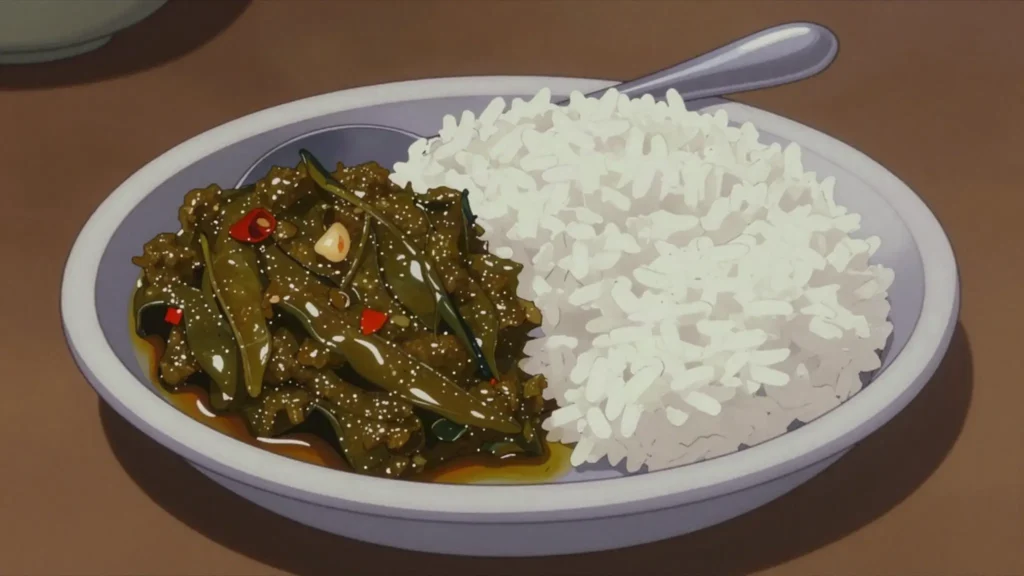
- Pour a layer of oil over the surface. Keep it stored in the refrigerator. Use a clean dry spoon every time. Serving it is done in small amounts. Serve a spoonful with hot rice. Add a spoon of ghee to the rice. Mix it through with the fingers. Serve sliced raw onion alongside. It keeps three weeks refrigerated.
Technique
- Gongura is Hibiscus sabdariffa, the same roselle used for hibiscus drinks, but this dish uses the fresh sour green leaves rather than the dried red calyces, a distinction that regularly confuses people.
- The leaves are naturally very sour from acids in the plant itself, so no tamarind or lemon is needed at all, which is what makes the relish distinctive.
- Sour leaves of this kind are high in oxalates, as sorrel and rhubarb leaves are, and oxalates can contribute to kidney stones, so anyone prone to them may want to eat it sparingly; it is served as a small relish in any case.
Substitutions
- Sorrel leaves give a comparable sourness where gongura is unavailable.
- Groundnut oil stands in for sesame oil, though sesame is traditional.
Variations
- Red-stemmed gongura is more sour and preferred for pachadi.
- Some cooks add onion to the grind for a milder relish.
- Gongura is also cooked with mutton or prawns as a main dish.
History
The signature condiment of Andhra Pradesh and Telangana, where roselle grows as a field crop and is preserved in oil.
Frequently asked questions
What is Gongura Pachadi?
Gongura Pachadi is a sauce & condiment from India: sour roselle leaves cooked down with chillies and garlic into a pungent relish. The signature condiment of Andhra Pradesh and Telangana, where roselle grows as a field crop and is preserved in oil.
How long does Gongura Pachadi take to make?
Gongura Pachadi takes 25 minutes of preparation and 35 minutes of cooking. The recipe makes one jar. It is rated medium to make.
What can I substitute in Gongura Pachadi?
Yes, within limits. Sorrel leaves give a comparable sourness where gongura is unavailable. Groundnut oil stands in for sesame oil, though sesame is traditional.
What is the most important thing to get right in Gongura Pachadi?
Pick the leaves from their stems. Discard all of the thick stalks. Wash them in several changes of cold water. Lift them out rather than pouring the water off. Spread them out to dry completely. Understanding why they must be dry is essential. Heat three tablespoons of oil in a wide pan. Add the washed and dried leaves. Cook them over a steady medium heat.