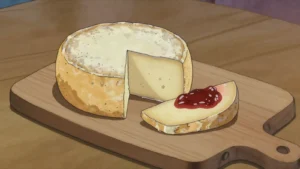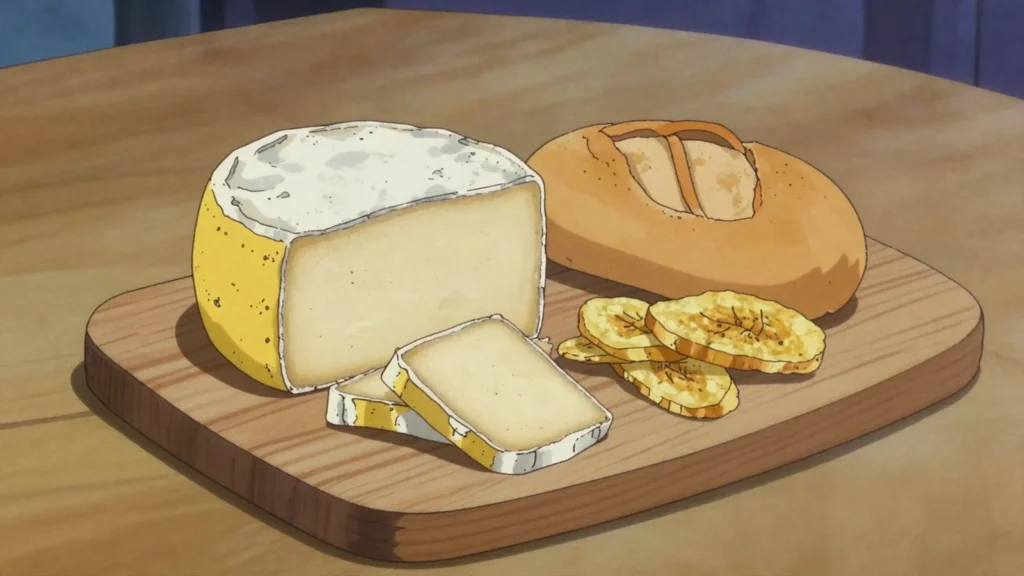

A firm Gouda-style cow’s-milk cheese from the cool North Kivu highlands. Belgian settlers brought dairying to the Masisi hills, and the cheese is still made there and trucked down to Goma and Kinshasa.
It is a pressed, ripened cheese needing a store held at steady low temperature and humidity for weeks or months — a dairy process rather than a kitchen one.
What goes into it
- cow’s milk
- rennet
- a starter culture
- salt
How it is made
Milk is set with rennet, the curd cut and part of the whey replaced with hot water to wash it, then pressed into wheels and brined. The wheels ripen for weeks to months in a cool store, developing a firm paste and a wax or natural rind.
How long it takes: one to six months of ripening
How it is eaten
Sliced with bread, melted, or eaten with plantain and beans.
History
Belgian settlers brought dairying to the cool Masisi hills; the cheese is still made there and trucked to Goma and Kinshasa.
Frequently asked questions
What is Fromage de Masisi?
Fromage de Masisi is a cheese & dairy from DR Congo: firm Gouda-style cow’s milk cheese from the North Kivu highlands. Belgian settlers brought dairying to the cool Masisi hills; the cheese is still made there and trucked to Goma and Kinshasa.
How is Fromage de Masisi made?
Milk is set with rennet, the curd cut and part of the whey replaced with hot water to wash it, then pressed into wheels and brined. The wheels ripen for weeks to months in a cool store, developing a firm paste and a wax or natural rind. It takes one to six months of ripening.
Can I make Fromage de Masisi at home?
No, and the atlas gives no method for it. It is a pressed, ripened cheese needing a store held at steady low temperature and humidity for weeks or months — a dairy process rather than a kitchen one.
What goes into Fromage de Masisi?
Cow’s milk, rennet, a starter culture, salt.
How is Fromage de Masisi eaten?
Sliced with bread, melted, or eaten with plantain and beans.