
Ingredients
Cheese base
- 500 gmature ewe’s or cow’s milk cheese made with microbial rennet, rind cut away, coarsely grated
- 10 gfine sea salt, 2% of the cheese weight
- 120–150 mlaiguardent or marc brandy, 40% ABV
- 30 mlextra virgin olive oil, optional, for a softer paste
Equipment
- 1glazed earthenware tupi of about 500 ml with a close lid, scalded and dried
- 1wooden spatula, scalded in boiling water
- 1square of muslin
To serve
- 8 slicesof country bread, toasted
- 60 gshelled walnuts
- 2 tbspmountain honey
Directions
- Choose a hard, well-matured cheese with real sharpness; a young or bland cheese ferments into something flat and soapy.
- Grate the cheese coarsely, scatter the salt over it and work it through with your hands until evenly distributed.
- Pack the cheese into the scalded pot in 2 cm layers, pressing each one down hard with the spatula so no air pockets remain; trapped air is where unwanted moulds take hold.
- Pour in the brandy until the surface is covered by 5 mm of liquid, and add the olive oil if you want a spreadable rather than crumbly paste.
- Lay the muslin over the mouth, fit the lid and keep the pot in the dark at 12–15°C (55–60°F), a cellar or an unheated larder.
- After the first week, open the pot, stir the paste thoroughly with a freshly scalded spatula and top up the brandy so the surface stays submerged.
- Repeat that stir and top-up weekly. By week four the grated shreds have broken down; by week six the paste is creamy, pale beige, fiercely sharp and smells strongly of ammonia and alcohol.
- From six weeks it can be eaten, and it goes on deepening and darkening to about three months. Keep it always covered by brandy between servings.
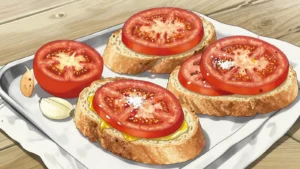
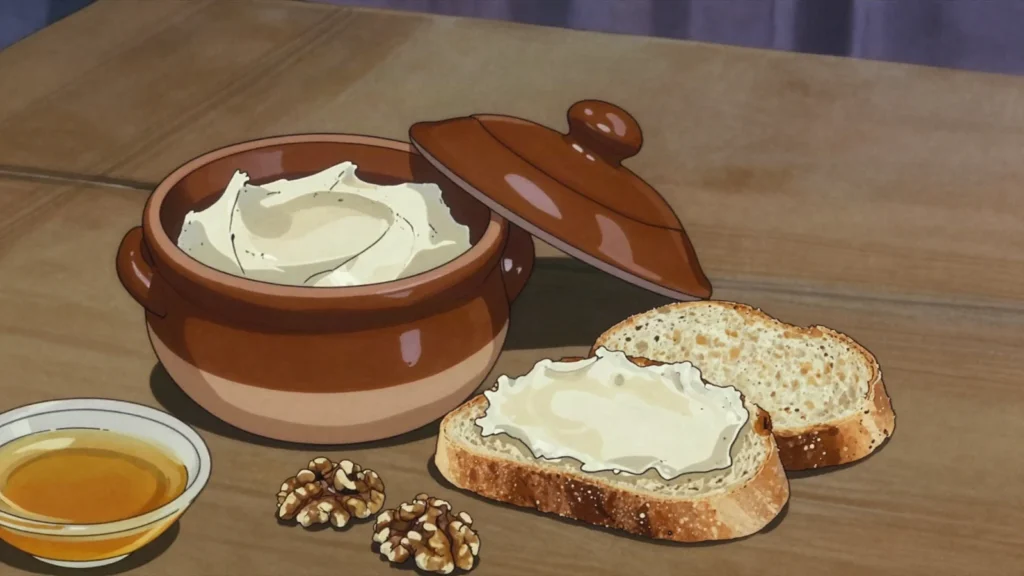
- Serve at room temperature, spread thickly on toasted bread with walnuts and a thread of honey.
Technique
- The brandy is not there for flavour alone. At 40% ABV standing over the surface it is the barrier that keeps moulds and spoilage bacteria out, so the paste must stay submerged and every utensil must be scalded.
- Throw the pot away if you find pink, black or fuzzy green growth, if liquid separates and smells rancid, or if the smell turns putrid rather than sharply ammoniacal. Correct tupi smells aggressively of ammonia, cheese and spirit, and never of rot.
- Farmhouses in Andorra and the Alt Urgell traditionally kept one pot alive for years, feeding in new cheese and brandy on top of the old culture. Starting a fresh pot each time is the safer home practice.
- Traditional tupi uses sheep cheese set with animal rennet; a microbial-rennet cheese keeps it meat-free and ferments identically.
Substitutions
- No aiguardent: grappa, marc, orujo or any unflavoured spirit of 40% ABV or more will do. Nothing below 37% ABV, and never wine, which will not protect the paste.
- Kept at 18–20°C (65–70°F) the ferment finishes in about three weeks, but the flavour is coarser and the spoilage risk higher, so check it daily.
Variations
- Whipped tupi, the mature paste beaten with an extra spoonful of brandy to a spreading consistency.
- Some Alt Urgell makers add a crushed garlic clove and a heavy grind of black pepper to the pot at the start.
History
Cheese scraps fermented in an earthenware tupí pot with brandy until sharp and spreadable, a Pyrenean way of saving leftovers.
Frequently asked questions
What is Formatge de tupí?
Formatge de tupí is a cheese & dairy from Andorra: pungent cheese fermented in a clay pot with brandy. Cheese scraps fermented in an earthenware tupí pot with brandy until sharp and spreadable, a Pyrenean way of saving leftovers.
How long does Formatge de tupí take to make?
Formatge de tupí takes 30 min of preparation and 6 to 12 weeks fermenting of cooking. The recipe makes 1 pot, about 550 g. It is rated hard to make.
What can I substitute in Formatge de tupí?
Yes, within limits. No aiguardent: grappa, marc, orujo or any unflavoured spirit of 40% ABV or more will do. Nothing below 37% ABV, and never wine, which will not protect the paste. Kept at 18–20°C (65–70°F) the ferment finishes in about three weeks, but the flavour is coarser and the spoilage risk higher, so check it daily.
What is the most important thing to get right in Formatge de tupí?
Pour in the brandy until the surface is covered by 5 mm of liquid, and add the olive oil if you want a spreadable rather than crumbly paste.