
Nile fish salted and fermented in jars until soft and strongly aromatic. It is used a little at a time and its smell announces itself long before the jar is open.
It is a sealed, low-acid, ambient ferment of ungutted fish — the exact conditions Clostridium botulinum needs — and the Egyptian equivalent, feseekh, produces documented botulism cases most year.
What goes into it
- Nile fish, often ungutted
- coarse salt in quantity
How it is made
The fish are left in the sun for a day to begin softening, then packed with a heavy weight of salt into sealed jars and left for weeks while their own gut enzymes break the flesh down. The salt concentration is the only barrier to what else could grow, and it is judged by weight against the fish.
How long it takes: several weeks to months
How it is eaten
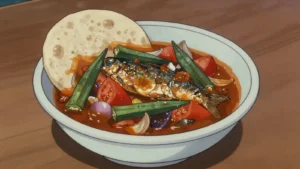
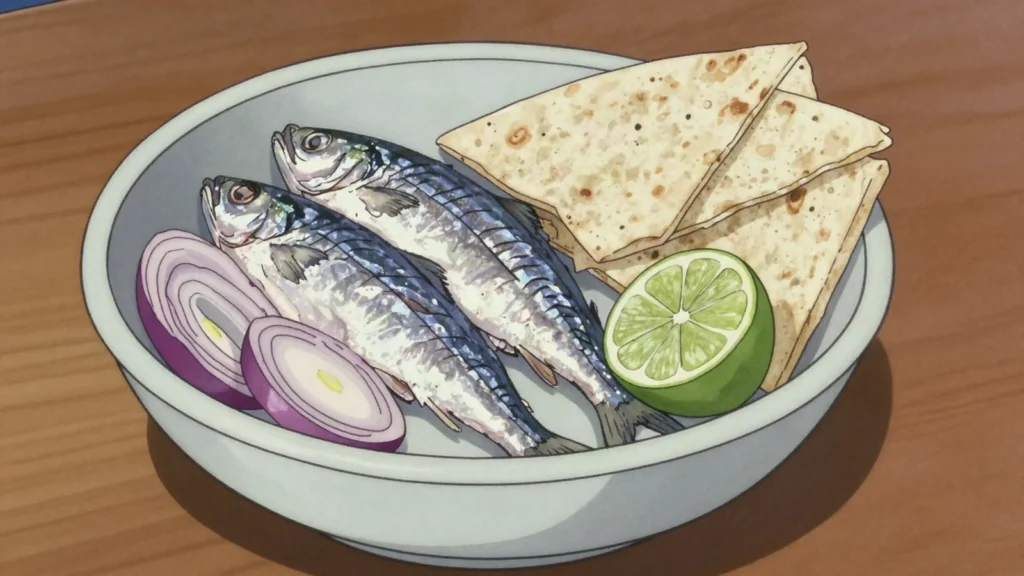
In small amounts with bread, onion and lime, or stirred into stews.
Frequently asked questions
What is Fasikh?
Fasikh is a fermented & pickled from South Sudan: nile fish salted and fermented in jars until soft and strongly aromatic.
How is Fasikh made?
The fish are left in the sun for a day to begin softening, then packed with a heavy weight of salt into sealed jars and left for weeks while their own gut enzymes break the flesh down. The salt concentration is the only barrier to what else could grow, and it is judged by weight against the fish. It takes several weeks to months.
Can I make Fasikh at home?
No, and the atlas gives no method for it. It is a sealed, low-acid, ambient ferment of ungutted fish — the exact conditions Clostridium botulinum needs — and the Egyptian equivalent, feseekh, produces documented botulism cases most year.
What goes into Fasikh?
Nile fish, often ungutted, coarse salt in quantity.
How is Fasikh eaten?
In small amounts with bread, onion and lime, or stirred into stews.