
Ingredients
Starter
- 200 gteff flour
- about 400 ml water, at room temperature
- a clean glass or clay jar
To maintain
- more teff flour and water, for daily feeding
Directions
- Mix 50 g of the teff flour with 100 ml of water in the jar to a thin batter. Cover with a cloth and leave at warm room temperature.
- Each day for the next three to four days, stir in another 50 g of flour and 100 ml of water. It will begin to bubble and smell sour by the second or third day.
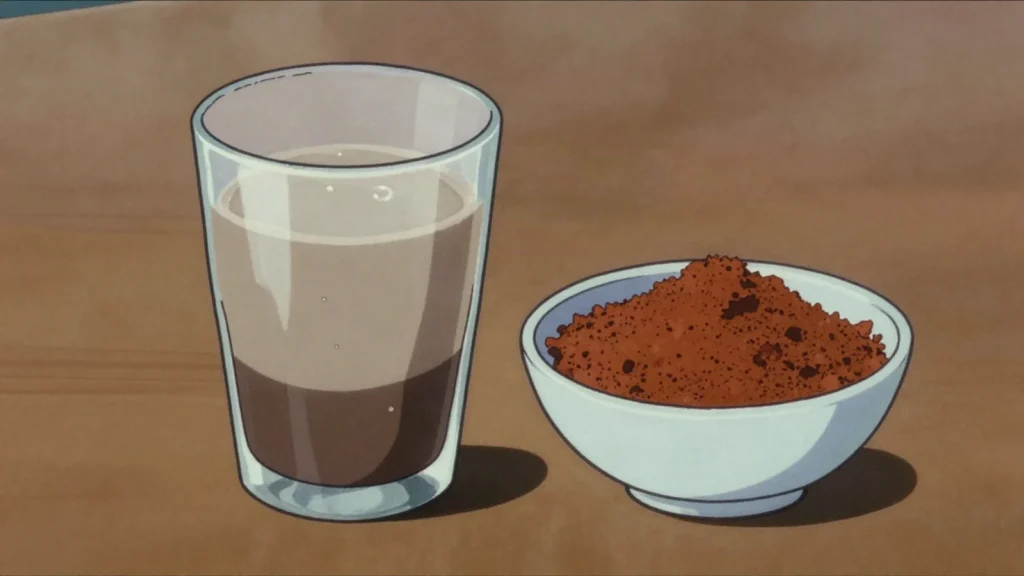
- By day four or five it should be actively bubbling, smell distinctly sour, and have a layer of yellowish liquid on top. That liquid is the ersho proper — the sour water poured off the settled batter and saved to start the next batch.
- To use it, pour off the clear sour liquid and stir it into a fresh injera batter in place of any other leavening. Keep the settled sediment in the jar and feed it again.
- To keep it going, feed it every day or two if it is at room temperature, or weekly in the fridge. It will separate between feeds; stir it back in.
- If it is not used for a while, pour off the dark liquid, discard half the sediment and feed it fresh. It will recover within a day or two.
Technique
- Ersho is a living culture, not an ingredient you make once. It has to be fed, and a jar left unfed for weeks eventually dies.
- The dark liquid on top is normal — it is alcohol and it means the culture is hungry rather than spoiled. Pour it off and feed.
- Traditionally a jar is shared between neighbours, which is genuinely the easiest way to start: a spoonful of someone else’s working ersho is faster and more reliable than building one from scratch.
Substitutions
- A mix of teff and barley or wheat flour, which many households use and which starts faster.
- A spoonful of a friend’s active ersho, which shortcuts the whole four days.
Variations
- The Ethiopian ersho is the same culture under the same name.
- Some households keep two jars, one older and sourer for a stronger injera.
History
The living culture of Eritrean and Ethiopian kitchens, kept in a clay jar and shared between neighbours to keep injera sour.
Frequently asked questions
What is Ersho?
Ersho is a fermented & pickled from Eritrea: sour starter liquid saved from one injera batter to leaven the next. The living culture of Eritrean and Ethiopian kitchens, kept in a clay jar and shared between neighbours to keep injera sour.
How long does Ersho take to make?
Ersho takes 10 min a day, over 4 to 5 days of preparation and no cooking at all. The recipe makes makes enough starter for continuous use. It is rated medium to make.
What can I substitute in Ersho?
Yes, within limits. A mix of teff and barley or wheat flour, which many households use and which starts faster. A spoonful of a friend’s active ersho, which shortcuts the whole four days.
What is the most important thing to get right in Ersho?
The dark liquid on top is normal — it is alcohol and it means the culture is hungry rather than spoiled. Pour it off and feed.