
Ingredients
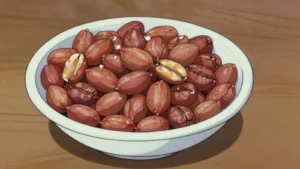
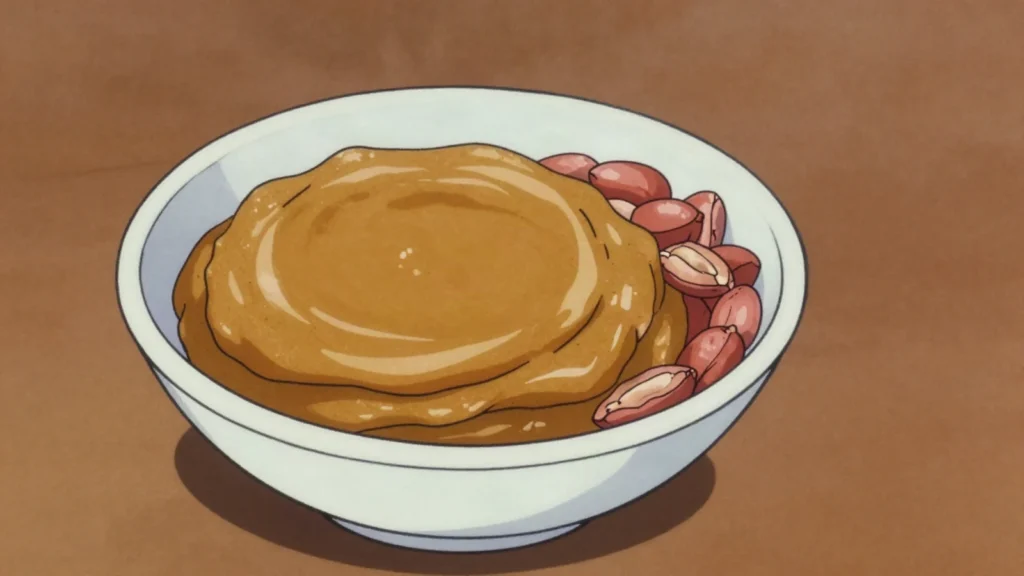
Groundnuts
- 600 graw groundnuts, shelled
- with or without skins
Sometimes added
- 1 teaspoonsalt
- a little groundnut oil, if needed
Equipment
- a heavy dry pan
- a mortar and pestle
- or a food processor
- a fine sieve
To use
- stirred into ndiwo, vegetable relish
- stirred into porridge
- with boiled cassava or sweet potato
Directions
- Discard any that are shrivelled or discoloured. Discard any that are mouldy or smell musty. Buy from a source that stores them dry.
- Tip the shelled groundnuts onto a tray. Pick out any discoloured or shrivelled nuts. Pick out any stones or shell fragments. Discard anything that looks wrong.
- Heat a heavy dry pan over a medium heat. Add the groundnuts in a single layer. Work in batches rather than crowding the pan. Stir them constantly with a wooden spoon. Never leave them unattended for a moment. Take them off before any go black. Let the nuts cool for a few minutes.
- Rub them between your palms or in a cloth. A hairdryer on a cold setting also works. Spread the nuts out on a tray. Let them cool right down before grinding.
- Warm nuts turn oily and paste up too fast. That takes considerable time and real effort. Add a little groundnut oil if it will not move. Return the coarse bits and grind them again.
- Repeat until nearly everything passes through. Put it into an airtight glass jar. Keep it somewhere cool and dark. Fine flour keeps about a month.
- Whisk it into a smooth thin cream first. Adding thick paste straight in leaves lumps forever. Stir it into vegetable relishes near the end. Stir it into maize porridge for breakfast. Serve it with boiled cassava or sweet potato.
Technique
- In Malawi the word chiponde is also used for ready-to-use therapeutic food, a fortified peanut paste for severe malnutrition, and the country was central to developing community-based treatment with it.
- Ordinary kitchen chiponde is not fortified and is not a medical food, and severe malnutrition requires proper medical care.
- Groundnuts can carry aflatoxin-producing mould, which roasting does not destroy, so damaged or musty nuts must be sorted out and discarded.
Substitutions
- Unsweetened natural peanut butter can stand in, though homemade is fresher and cheaper.
- Skins can be left on or rubbed off, and leaving them gives a darker more bitter paste.
Variations
- A coarse flour is used for stirring into relishes and a smooth paste for spreading.
- Some households roast the nuts very dark for a stronger flavour.
- The same paste is the base of groundnut stews across West and Central Africa.
History
Groundnut flour is the standard enrichment for Malawian ndiwo; the same paste is the base of the therapeutic food used against child malnutrition.
Frequently asked questions
What is Chiponde?
Chiponde is a sauce & condiment from Malawi: thick roasted groundnut paste stirred into relishes and porridge. Groundnut flour is the standard enrichment for Malawian ndiwo; the same paste is the base of the therapeutic food used against child malnutrition.
How long does Chiponde take to make?
Chiponde takes 20 minutes of preparation and 20 minutes of cooking. The recipe makes about 500 g. It is rated easy to make.
What can I substitute in Chiponde?
Yes, within limits. Unsweetened natural peanut butter can stand in, though homemade is fresher and cheaper. Skins can be left on or rubbed off, and leaving them gives a darker more bitter paste.
What is the most important thing to get right in Chiponde?
Heat a heavy dry pan over a medium heat. Add the groundnuts in a single layer. Work in batches rather than crowding the pan. Stir them constantly with a wooden spoon. Never leave them unattended for a moment. Take them off before any go black. Let the nuts cool for a few minutes.