
Beef salted and sun-dried in strips, then pounded and cooked into relish. Rural Zimbabwean households dry meat after a slaughter so that it survives without a fridge until the next one.
Drying raw meat with salt alone works only where the air is dry enough to pull water out faster than bacteria multiply; in a humid climate the same strips spoil from the inside while the surface looks cured.
What goes into it
- beef, cut in long strips along the grain
- coarse salt
How it is made
The strips are rubbed with salt and hung on a line or laid on a rock in full sun, out of reach of animals, and turned as they dry. In the dry-season heat they harden within a few days, and they are then pounded and simmered at length with tomato and onion to soften again.
How long it takes: three to seven days in the sun
How it is eaten
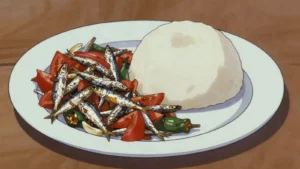
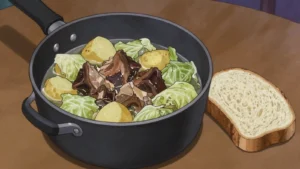
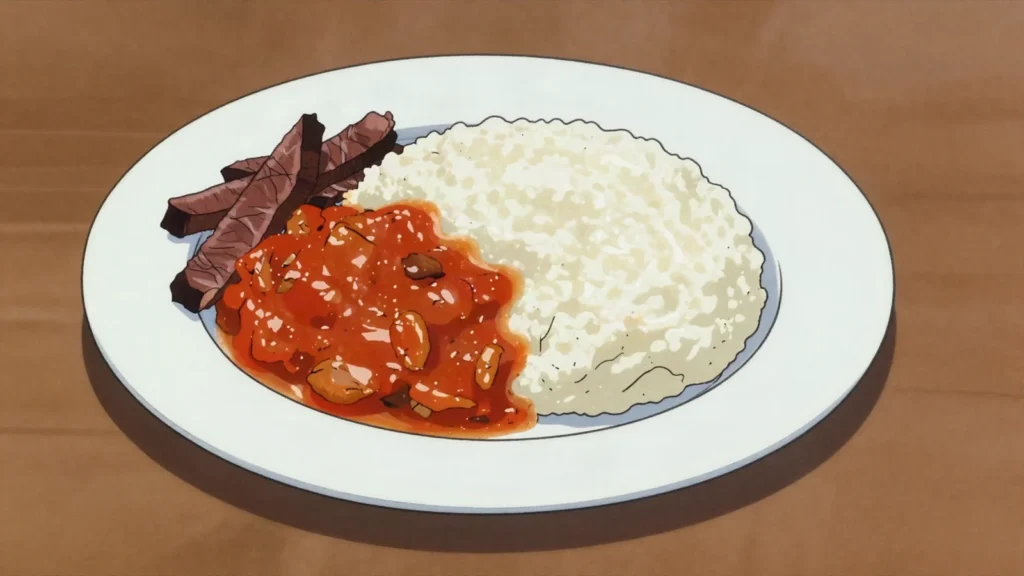
Pounded, then simmered into a relish with tomato and onion and eaten with sadza.
History
Rural Zimbabwean households dry meat after a slaughter so it survives without a fridge until the next one.
Frequently asked questions
What is Chimukuyu?
Chimukuyu is a charcuterie & cured from Zimbabwe: beef salted and sun-dried in strips, then pounded and cooked in relish. Rural Zimbabwean households dry meat after a slaughter so it survives without a fridge until the next one.
How is Chimukuyu made?
The strips are rubbed with salt and hung on a line or laid on a rock in full sun, out of reach of animals, and turned as they dry. In the dry-season heat they harden within a few days, and they are then pounded and simmered at length with tomato and onion to soften again. It takes three to seven days in the sun.
Can I make Chimukuyu at home?
No, and the atlas gives no method for it. Drying raw meat with salt alone works only where the air is dry enough to pull water out faster than bacteria multiply; in a humid climate the same strips spoil from the inside while the surface looks cured.
What goes into Chimukuyu?
Beef, cut in long strips along the grain, coarse salt.
How is Chimukuyu eaten?
Pounded, then simmered into a relish with tomato and onion and eaten with sadza.