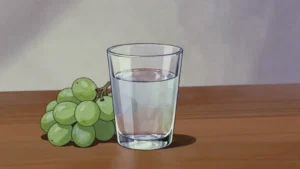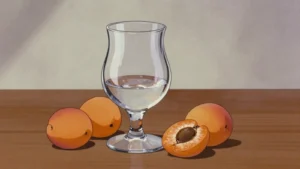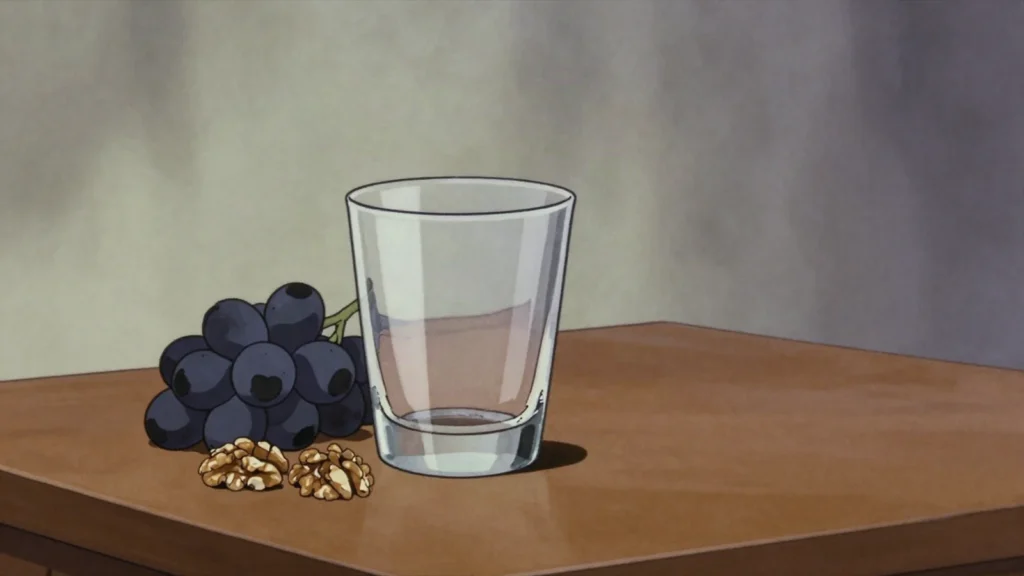

Potent Georgian pomace brandy, distilled from the skins and stems left after winemaking, usually between 45 and 65 percent alcohol. It is made at home across the country and offered as hospitality, often before the meal has properly started.
Distilling is illegal without a licence in most of the world, and pomace mash in particular produces methanol that only a correct cut removes.
What goes into it
- grape pomace — skins, seeds and stems left after pressing
- sometimes unripe or unsold grapes
- water
How it is made
The pomace left in the qvevri after the wine is drawn off is mixed with water and left to ferment further, then distilled in a copper pot still, often twice. The distiller discards the head and the tail and keeps the middle. It is normally bottled clear and unaged, though some is rested in oak.
How long it takes: weeks of fermentation, then distilling
How it is eaten
In small glasses at a supra, at room temperature, with toasts.
History
Pomace brandy distilled from the skins and stems left after winemaking, usually 45 to 65 percent alcohol and made at home.
Frequently asked questions
What is Chacha?
Chacha is a wine & spirit from Georgia: potent grape pomace brandy, offered as hospitality. Pomace brandy distilled from the skins and stems left after winemaking, usually 45 to 65 percent alcohol and made at home.
How is Chacha made?
The pomace left in the qvevri after the wine is drawn off is mixed with water and left to ferment further, then distilled in a copper pot still, often twice. The distiller discards the head and the tail and keeps the middle. It is normally bottled clear and unaged, though some is rested in oak. It takes weeks of fermentation, then distilling.
Can I make Chacha at home?
No, and the atlas gives no method for it. Distilling is illegal without a licence in most of the world, and pomace mash in particular produces methanol that only a correct cut removes.
What goes into Chacha?
Grape pomace — skins, seeds and stems left after pressing, sometimes unripe or unsold grapes, water.
How is Chacha eaten?
In small glasses at a supra, at room temperature, with toasts.