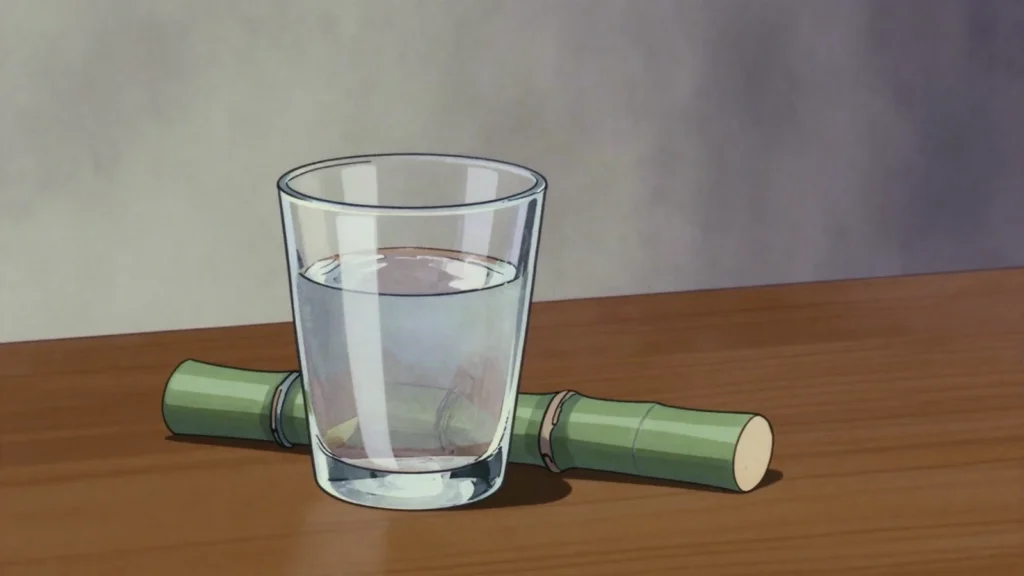

Artisanal sugarcane rum distilled in Guinea-Bissau’s villages, poured in Bijagós and animist ceremonies and drunk at funerals, initiations and shrine offerings. It is as much a ritual substance as a drink.
Unlicensed distilling is illegal almost everywhere, and running a still without discarding the volatile heads is what leaves methanol in the bottle.
What goes into it
- sugarcane juice
- water
How it is made
Cane is crushed and the juice fermented for several days in barrels or drums, then distilled in a simple village still. There is no ageing and generally no separation of the head of the run, so strength and character vary from producer to producer.
How long it takes: days to ferment, then a day to distil
How it is eaten
In small glasses at funerals, initiations and shrine offerings, and poured on the ground for the spirits first.
History
Distilled from sugarcane in village stills, cana is poured in Bijagos and animist ceremonies and drunk at funerals, initiations and shrine offerings.
Frequently asked questions
What is Cana?
Cana is a wine & spirit from Guinea-Bissau: artisanal sugarcane rum distilled in villages. Distilled from sugarcane in village stills, cana is poured in Bijagos and animist ceremonies and drunk at funerals, initiations and shrine offerings.
How is Cana made?
Cane is crushed and the juice fermented for several days in barrels or drums, then distilled in a simple village still. There is no ageing and generally no separation of the head of the run, so strength and character vary from producer to producer. It takes days to ferment, then a day to distil.
Can I make Cana at home?
No, and the atlas gives no method for it. Unlicensed distilling is illegal almost everywhere, and running a still without discarding the volatile heads is what leaves methanol in the bottle.
What goes into Cana?
Sugarcane juice, water.
How is Cana eaten?
In small glasses at funerals, initiations and shrine offerings, and poured on the ground for the spirits first.