
Ingredients
Radish
- 3 kgdaikon
- 300 gcoarse non-iodised salt — 10% of the radish weight
Equipment
- a wide flat basket or tray
- a heavy weight
- a glass jar with a tight lid
To use it
- eggs, for cai pu omelette
- pork bones, for soup
Directions
- Wash the daikon but leave the skin on — it holds the shape through the drying — and cut them into thick batons or split them lengthwise.
- Weigh the cut radish and use 10 percent of that weight in salt. Rub it in thoroughly.
- Pack the salted radish into a tub, put a board and a heavy weight on top, and leave overnight. It will give out a great deal of water.
- Drain off the water, keep the radish, and spread it on a basket in full sun.
- Bring it in at night and press it under the weight again, then put it back out in the morning. Repeat this for five to seven days.
- That alternation of sun and pressing is the whole method. Sun alone gives leathery radish with water still trapped inside; the nightly pressing forces that water out so the next day’s sun can work on what is left.
- It is dry enough when the pieces are shrunken to a quarter of their size, deep amber, leathery and flexible but with no wet core when you tear one.
- Rub with a little more salt, pack very tightly into a dry sterilised jar with no air pockets, and seal.
- Keep in a dark cupboard. It is usable after three months and improves for years, darkening from amber to near black — Hakka households keep thirty-year jars and treat a spoonful of the old stuff as medicine for a cough.
- To cook with it, rinse briefly, chop fine, and fry in a dry pan until fragrant before adding to beaten eggs or a pork bone soup.
Technique
- Ten percent salt by weight, sun by day, weight by night.
- Bone dry before it goes in the jar. Any moisture left is where a jar goes mouldy.
- Always rinse and dry-fry before cooking. Straight from the jar it is far too salty.
Substitutions
- A dehydrator at 60°C (140°F) instead of sun, though the flavour is flatter.
- Bought cai pu, which is sold in every Chinese grocery and is what most cooks use.
- Carrot or kohlrabi preserved the same way.
Variations
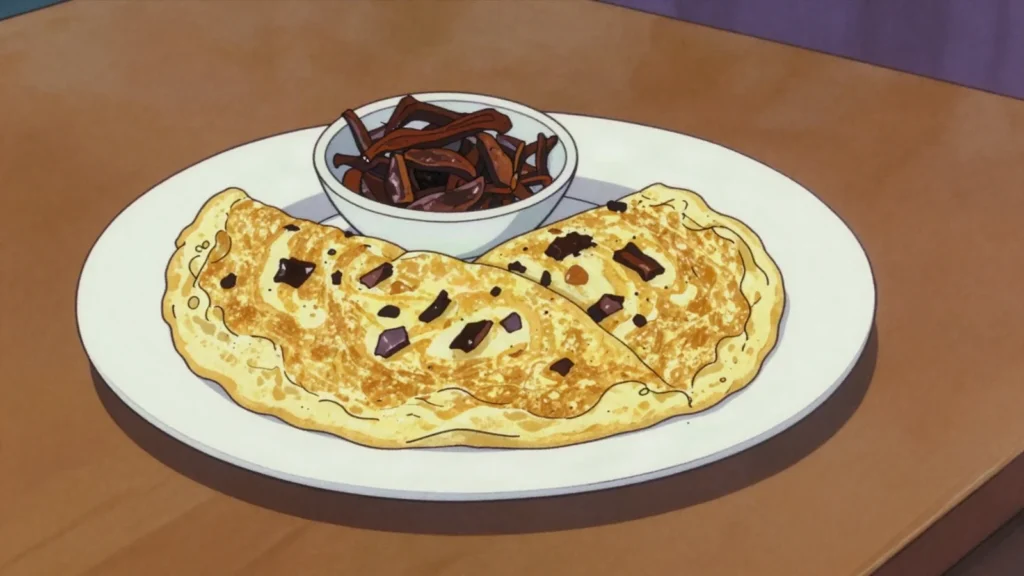
- Cai pu neng — the Hakka omelette, which is the dish it is best known for.
- The Japanese takuan and Korean danmuji are the same radish preserved with rice bran instead.
History
A Hakka farmhouse preserve; well-aged cai pu is treated as medicine and can be kept for decades.
Frequently asked questions
What is Cai Pu?
Cai Pu is a fermented & pickled from Taiwan: salted, sun-dried daikon aged until dark; fried into omelettes and soups. A Hakka farmhouse preserve; well-aged cai pu is treated as medicine and can be kept for decades.
How long does Cai Pu take to make?
Cai Pu takes 40 min plus 5 to 7 days drying and 3 months ageing of preparation and no cooking at all. The recipe makes makes about 600 g. It is rated medium to make.
What can I substitute in Cai Pu?
Yes, within limits. A dehydrator at 60°C (140°F) instead of sun, though the flavour is flatter. Bought cai pu, which is sold in every Chinese grocery and is what most cooks use. Carrot or kohlrabi preserved the same way.
What is the most important thing to get right in Cai Pu?
That alternation of sun and pressing is the whole method. Sun alone gives leathery radish with water still trapped inside; the nightly pressing forces that water out so the next day’s sun can work on what is left.