
Ingredients
The dough
- 600 gplain flour
- 150 gsugar
- 7 gsachet fast-action dried yeast
- 1 teaspoonsalt
- half a teaspoon grated nutmeg
- optional
The liquid
- about 350 ml warm water
- or warm milk
- 1egg, beaten
- optional
- 3 tablespoonsoil
- or melted butter
- optional
For frying
- 1 litrevegetable oil
- or enough for 8 cm depth
To serve
- hot, on their own
- with tea or coffee
- or a soft drink
Directions
- Put the flour into a large bowl. Add the sugar and the yeast to one side. Add the salt to the opposite side of the bowl. Salt in direct contact weakens yeast.
- Add the nutmeg if you are using it. Stir the dry ingredients together. Warm the water or milk until it is just warm. It must never be hot at any point. Heat kills yeast and nothing will rise. Pour most of the liquid into the flour. Add the egg and the oil if you are using them.
- Mix with your hand or a wooden spoon. This is a thick batter rather than a kneadable dough. Add liquid if it is stiff like bread dough. Add flour if it pours like a pancake batter. Beat the batter hard for about three minutes. Use your hand or a stout wooden spoon. Cover the bowl with a cloth or cling film.
- Leave it somewhere warm for about two hours. It should roughly double and turn bubbly. Use a deep heavy pot. These need depth so they can turn themselves. Fill the pot no more than one third full. Oil bubbles up sharply when batter goes in. Never leave hot oil unattended. Keep a well fitting lid within reach. If the oil catches fire, turn off the heat.
- Heat the oil to one hundred and seventy degrees. That is moderate rather than very hot. Take a handful and close your hand. Squeeze upward so a ball emerges at the top. Scoop it off with a wet spoon into the oil. That takes practice and it is worth learning.
- Drop five or six in at a time. Do not crowd the pot at any point. Turn them with a spoon if they do not. Fry them for five or six minutes. They should be deep golden brown all over. Break it open and look at the centre. It should be light, bready and cooked through. Lift them out with a slotted spoon. Drain them on a rack over kitchen paper. A rack keeps them considerably less greasy.
- Let the oil recover between batches. Serve them hot, within minutes of frying. The dough is sweet enough already. Let it warm up before frying it. Reheat them from frozen in a hot oven.
Technique
- The consistency decides everything. This is a thick batter, not a kneadable dough — too wet to knead, thick enough to hold a rough shape and drop reluctantly off a spoon.
- Beat the batter hard for three minutes before it rises. That works air in and develops the gluten, and both make the finished balls lighter.
- Do not knock the batter back after rising. The bubbles are the lightness; handle it gently.
- Fry at 170 degrees. These are thick and need time inside; hotter oil browns the outside while the middle stays raw doughy, which is the commonest failure. Break the first one open and check.
- Use deep oil, about eight centimetres. In enough depth they roll over by themselves and come out evenly round.
- Deep-frying rules apply: fill the pot no more than a third, never leave it unattended, keep a lid within reach, and if the oil catches fire turn off the heat and smother it. Never throw water on burning oil.
- Sweet batters rise slowly because sugar slows the yeast. Give it the two hours rather than raising the heat, which makes it taste of raw yeast.
- The liquid must be only just warm. Hot liquid kills the yeast outright.
- Do not taste the raw batter. Raw flour can carry E. coli and raw egg carries its own risk, so measure the sugar rather than tasting for it.
- Drain on a rack rather than paper alone, which lets them sit in the oil they absorbed.
- The traditional shaping squeezes batter up through a closed fist so a ball emerges at the top, scooped off with a wet spoon. A wet spoon or ice cream scoop does the job with less practice.
- The same thing is bofrot or togbei in Ghana, puff puff in Nigeria and Cameroon, mandazi in East Africa. Yovo doko, another Togolese and Beninese name for it, literally means white person’s dough ball — the atlas records what the name means rather than smoothing it over.
Substitutions
- Water replaces milk and is what is most often used.
- The egg and oil both enrich the batter and both can be left out.
- Nutmeg, cinnamon or grated ginger all appear; plain is equally normal.
- Palm oil can be used for frying and gives a distinct colour and flavour.
- Mashed ripe banana or plantain worked into the batter makes a fruit version.
- Grated coconut can be added, which is more common nearer the coast.
Variations
- Yovo doko is the same snack under a name carrying its colonial history.
- Bofrot in Ghana, also called togbei, is the same batter fried the same way.
- Puff puff in Nigeria and Cameroon is the best known name for the family.
- Beignets de banane in Guinea add mashed ripe banana to the batter.
- Mandazi in East Africa is kneaded rather than dropped and often spiced with cardamom.
- Magwinya and vetkoek in southern Africa are frequently savoury and split for a filling.
Frequently asked questions
What is Botokoin?
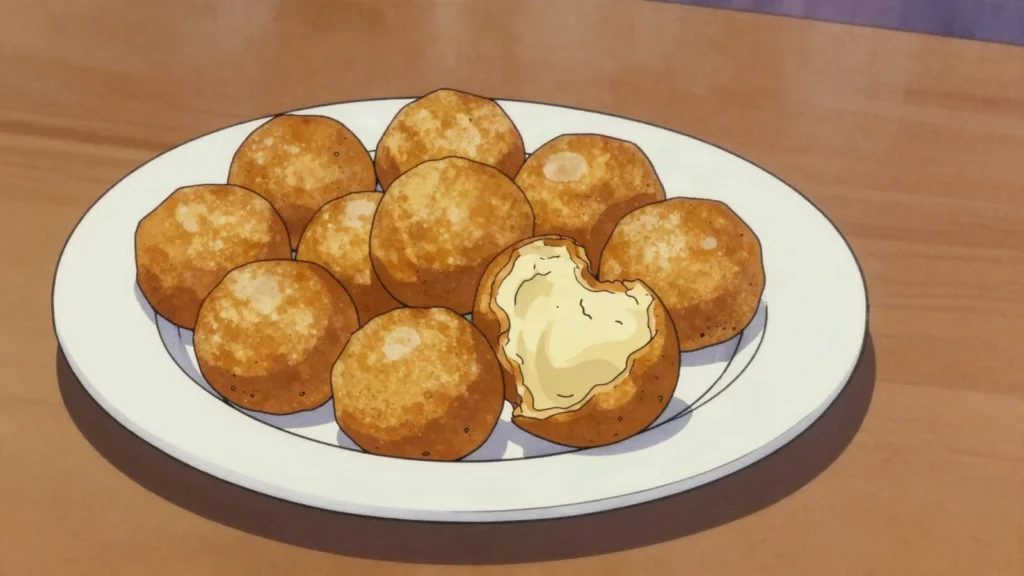
Botokoin is a snack from Togo: fried balls of sweet wheat dough, crisp outside and soft within.
How long does Botokoin take to make?
Botokoin takes 20 minutes plus 2 hours rising of preparation and 25 minutes of cooking. The recipe makes makes about 24. It is rated easy to make.
What can I substitute in Botokoin?
Yes, within limits. Water replaces milk and is what is most often used. The egg and oil both enrich the batter and both can be left out. Nutmeg, cinnamon or grated ginger all appear; plain is equally normal. Palm oil can be used for frying and gives a distinct colour and flavour. Mashed ripe banana or plantain worked into the batter makes a fruit version. Grated coconut can be added, which is more common nearer the coast.
What is the most important thing to get right in Botokoin?
Add the nutmeg if you are using it. Stir the dry ingredients together. Warm the water or milk until it is just warm. It must never be hot at any point. Heat kills yeast and nothing will rise. Pour most of the liquid into the flour. Add the egg and the oil if you are using them.