
Raw fish or meat fermented with salt and rice in a sealed jar — a Kadazandusun preserve of Sabah, made in bamboo or glass and served at harvest festival feasts.
It is a sealed, ambient, low-acid ferment of raw meat traditionally eaten uncooked, which is the classic botulism setting; the salt ratio and the pangi seed are the traditional safeguards and neither has a domestic equivalent.
What goes into it
- raw fish, pork or wild boar
- coarse salt
- cooked rice, or pangi seed for the traditional version
How it is made
The raw meat or fish is cut up, mixed with a heavy dose of salt and with cooked rice or ground pangi seed, and packed tight into a sealed jar with the air pressed out. It is left for weeks to months while lactic bacteria acidify it. It is traditionally eaten without cooking.
How long it takes: several weeks to several months
How it is eaten
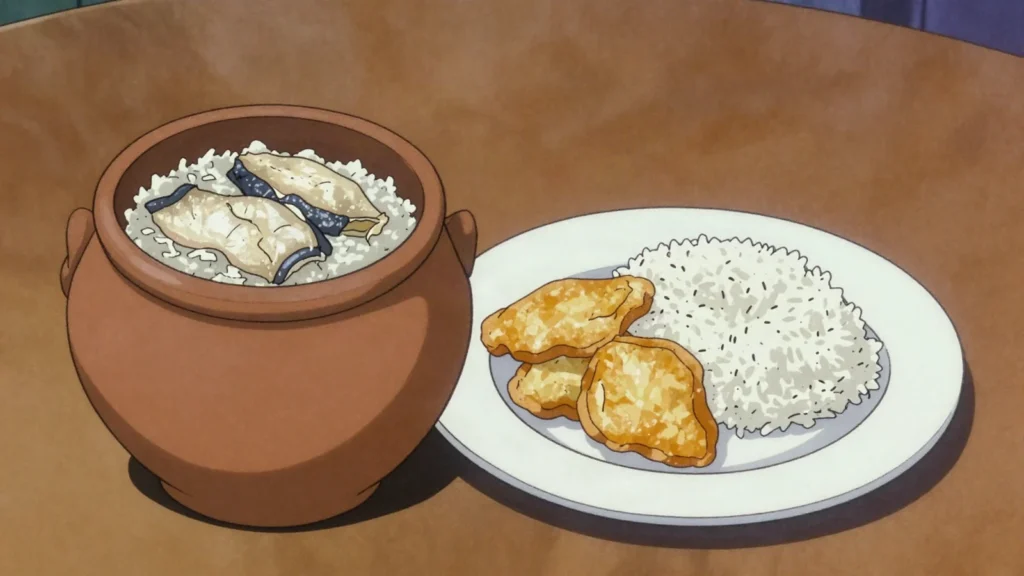
Straight from the jar with rice, or lightly fried, at harvest festival feasts.
History
A Kadazandusun preserve of Sabah, made in bamboo or glass jars and served at harvest festival feasts.
Frequently asked questions
What is Bosou?
Bosou is a fermented & pickled from Malaysia: raw fish or meat fermented with salt and rice in a sealed jar. A Kadazandusun preserve of Sabah, made in bamboo or glass jars and served at harvest festival feasts.
How is Bosou made?
The raw meat or fish is cut up, mixed with a heavy dose of salt and with cooked rice or ground pangi seed, and packed tight into a sealed jar with the air pressed out. It is left for weeks to months while lactic bacteria acidify it. It is traditionally eaten without cooking. It takes several weeks to several months.
Can I make Bosou at home?
No, and the atlas gives no method for it. It is a sealed, ambient, low-acid ferment of raw meat traditionally eaten uncooked, which is the classic botulism setting; the salt ratio and the pangi seed are the traditional safeguards and neither has a domestic equivalent.
What goes into Bosou?
Raw fish, pork or wild boar, coarse salt, cooked rice, or pangi seed for the traditional version.
How is Bosou eaten?
Straight from the jar with rice, or lightly fried, at harvest festival feasts.