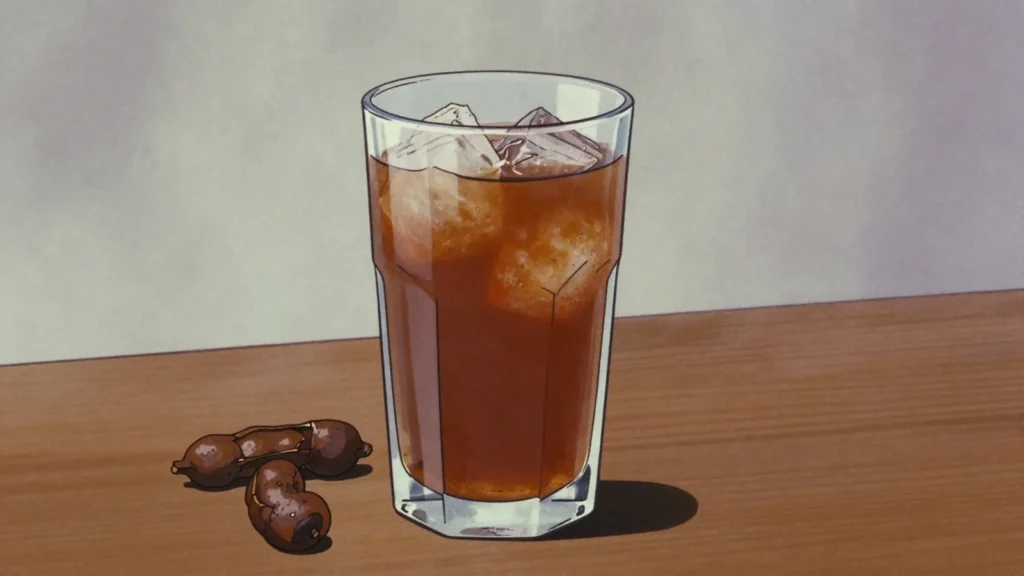

Ingredients
The tamarind
- 400 gtamarind pods
- shelled, or 300 g tamarind pulp
- the compressed block kind
- seeds and fibre still in it
- or 200 g seedless tamarind paste
The liquid
- 2 litreswater
- boiled and cooled
- or filtered water
- warm water speeds the steeping
The sweetening
- 200 gsugar
- or to taste
- tamarind is genuinely very sour
- or honey, stirred in cold
Sometimes added
- a pinch of salt
- a little grated ginger
- a few cloves
- a strip of lemon peel
- a pinch of ground cardamom
Equipment
- a large non-metal bowl
- a fine sieve or colander
- clean bottles or a jug
- ice, to serve
Directions
- Check the ingredients if you buy that kind. Crack the brittle shell with your fingers. Remove the tough fibrous strands running along the pulp. Do not try to separate the seeds yet.
- Use a glass, ceramic or plastic bowl for steeping. Use a stainless steel sieve rather than aluminium. Put the pulp into a large non-metal bowl.
- Pour warm water over it, not boiling. Warm water softens it faster than cold. Break the pulp up with your hands or a spoon. Let it steep for at least four hours. Steep it in the refrigerator if the kitchen is warm.
- Work the softened pulp hard with your hands. Squeeze it between your fingers repeatedly. The liquid turns thick and dark brown. Keep working until the seeds feel clean and smooth. Pour the mixture through a fine sieve into a jug. Press the solids firmly with the back of a spoon.
- Return the strained solids to the bowl. Add a little more water and work them again. Strain that second extraction into the jug too. Discard the seeds and fibre after that. It needs a considerable amount of sugar. Add the sugar gradually and taste as you go.
- Stir until every grain has dissolved. Dissolve it in a little warm water first if it resists. Adjust it to your own taste rather than a measure. Many households add it and many do not.
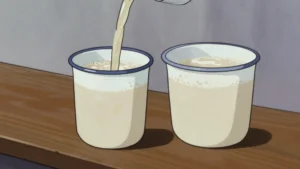
- Pour it into clean bottles or a jug. Refrigerate it for at least three hours. Keep it refrigerated at all times. Use clean bottles and clean utensils. Discard it if it smells fermented or begins to fizz. Serve it cold over plenty of ice. Stir or shake it before pouring. It keeps three or four days refrigerated.
Technique
- Work the softened pulp hard with your hands, squeezing it between your fingers until the seeds feel clean and smooth. That hand work is the whole technique and a spoon does it far less well.
- Do a second extraction. Return the strained solids, add more water, work them again and strain that into the jug too. It gets a surprising amount more and makes the tamarind go considerably further.
- Steep in warm water rather than boiling. Warm softens the pulp faster than cold, and boiling water dulls the flavour without helping.
- Steep it in the refrigerator if the kitchen is warm. Tamarind water left warm for hours begins to ferment, which is not what you want here.
- Tamarind is genuinely acidic and reacts with aluminium and unlined copper, giving a metallic taste and discolouring the liquid. Use glass, ceramic or plastic for steeping and a stainless steel sieve.
- Keep it clearly sour. Tamarind needs a lot of sugar, but the sourness is the point of the drink and one that tastes only of sugar has missed it. A pinch of salt sharpens both the sour and the sweet and is worth adding.
- This is an unpasteurised drink that has not been boiled at any stage, so it is not preserved. Keep it refrigerated, use clean bottles, drink it within three or four days, and discard it if it smells fermented or begins to fizz.
- Tamarind has a documented laxative effect, which is why it is used medicinally in several traditions. In ordinary quantities it is simply a drink; in large quantities the effect is noticeable. The atlas notes that without alarm and makes no medical claim.
- Compressed blocks of pulp with the seeds and fibre still in give the best flavour. Seedless jarred paste is convenient and usually weaker, and some are heavily diluted — check the ingredients.
- Tamarind is native to Africa despite its botanical name, Tamarindus indica, and spread to India and across Asia long ago. In the Sahel a tamarind tree is often a village landmark, valued for its shade as much as its fruit.
Substitutions
- Compressed tamarind pulp replaces whole pods and is the most widely available form.
- Seedless tamarind paste replaces both and is quickest, though it is usually weaker; use more of it.
- Honey replaces sugar; stir it in cold so its aroma survives.
- Ginger, cloves or cardamom are all used in some households; the plainest version has none.
- Sparkling water in place of some still water makes a fizzy version.
- Karkade, the hibiscus drink, is the other great sour cold drink of the region and is made much the same way.
Variations
- A spiced version with ginger and cloves is made in some households and is more warming.
- Karkade, made from dried hibiscus flowers, is the deep red relative drunk across Sudan and the Sahel.
- A baobab fruit drink is made across the same belt and is thicker and creamier.
- Tamarind water is also used as a souring agent in cooking rather than drunk.
- A concentrated syrup can be made and diluted to order, which keeps considerably longer.
- Some vendors sell it frozen as an iced slush during the hottest months.
Frequently asked questions
What is Aradeib?
Aradeib is a drink from South Sudan: tamarind pods steeped and sweetened into a tart brown drink served cold.
How long does Aradeib take to make?
Aradeib takes 20 minutes plus 4 hours steeping of preparation and none of cooking. The recipe makes makes about 2 litres. It is rated easy to make.
What can I substitute in Aradeib?
Yes, within limits. Compressed tamarind pulp replaces whole pods and is the most widely available form. Seedless tamarind paste replaces both and is quickest, though it is usually weaker; use more of it. Honey replaces sugar; stir it in cold so its aroma survives. Ginger, cloves or cardamom are all used in some households; the plainest version has none. Sparkling water in place of some still water makes a fizzy version. Karkade, the hibiscus drink, is the other great sour cold drink of the region and is made much the same way.
What is the most important thing to get right in Aradeib?
Check the ingredients if you buy that kind. Crack the brittle shell with your fingers. Remove the tough fibrous strands running along the pulp. Do not try to separate the seeds yet.