
Ingredients
Dough
- 700 gstrong white bread flour
- 100 gsugar
- 10 ginstant yeast
- 1½ tsp salt
- 80 gbutter, softened
- 1egg
- 380 mlwarm milk
To finish
- 1 tbspmilk, for brushing
- 1 tbspbutter, melted, for the crust
Directions
- Whisk the flour, sugar, yeast and salt together, keeping the salt and yeast apart until the flour separates them.
- Add the butter, egg and warm milk and bring to a shaggy dough, then knead 12 minutes by hand or 8 in a mixer until smooth, glossy and elastic. It is a sweet enriched dough and stays slightly tacky.
- Cover and prove in a warm place for 1 hour 30 minutes, until doubled.
- Knock back firmly and divide in two. Roll each piece flat, then roll it up tightly into a tight cylinder — the close, pull-apart crumb Agege bread is known for comes from rolling rather than simply shaping.
- Drop each into a greased loaf tin seam down, cover and prove another 1 hour until risen well above the rim.
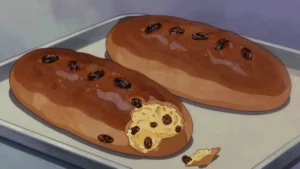
- Brush with milk and bake at 180°C (350°F) for 32–35 minutes, until deep gold and hollow-sounding underneath. Brush the hot crust with melted butter to keep it soft.
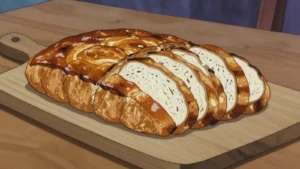
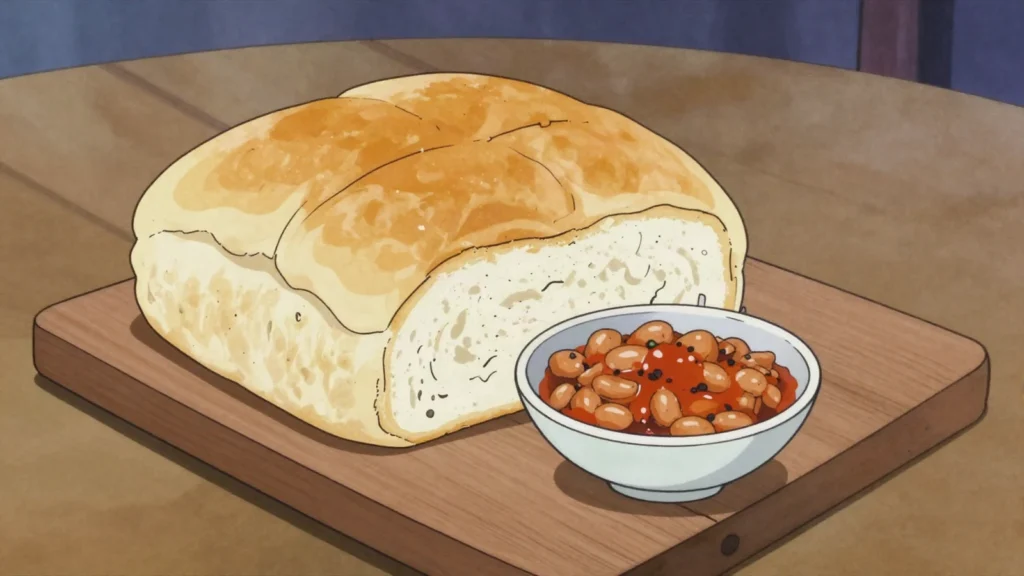
- Cool at least 20 minutes before tearing. It is torn by hand, not sliced, and eaten with ewa agoyin, akara or a spoonful of condensed milk.
Technique
- The sugar is not a rounding error: at this level it is what makes the loaf Agege bread rather than a plain white tin loaf, and it slows the yeast, so both proves take longer than you expect.
- Roll the dough tight. A loose roll gives an open airy crumb, which is the opposite of what this bread should be.
- Buttering the crust straight from the oven is what keeps it soft enough to tear.
Substitutions
- Water plus 3 tablespoons of milk powder can replace the milk.
- Half the sugar makes a loaf closer to an everyday sandwich bread, but it is no longer the Lagos original.
Variations
- A larger single loaf baked in a long tin, the shape sold from head trays and roadside stalls.
- A coconut version with 50 g of desiccated coconut worked into the dough.
History
Named for the Agege district of Lagos, where bakeries founded in the early twentieth century made the dense sweet loaf a city staple.
Frequently asked questions
What is Agege bread?
Agege bread is a bread & pastry from Nigeria: soft sweet white loaf torn by hand and eaten with ewa agoyin or akara. Named for the Agege district of Lagos, where bakeries founded in the early twentieth century made the dense sweet loaf a city staple.
How long does Agege bread take to make?
Agege bread takes 30 min plus 2 hr 30 min rising of preparation and 35 min of cooking. The recipe makes 2 loaves. It is rated medium to make.
What can I substitute in Agege bread?
Yes, within limits. Water plus 3 tablespoons of milk powder can replace the milk. Half the sugar makes a loaf closer to an everyday sandwich bread, but it is no longer the Lagos original.
What is the most important thing to get right in Agege bread?
Knock back firmly and divide in two. Roll each piece flat, then roll it up tightly into a tight cylinder — the close, pull-apart crumb Agege bread is known for comes from rolling rather than simply shaping.