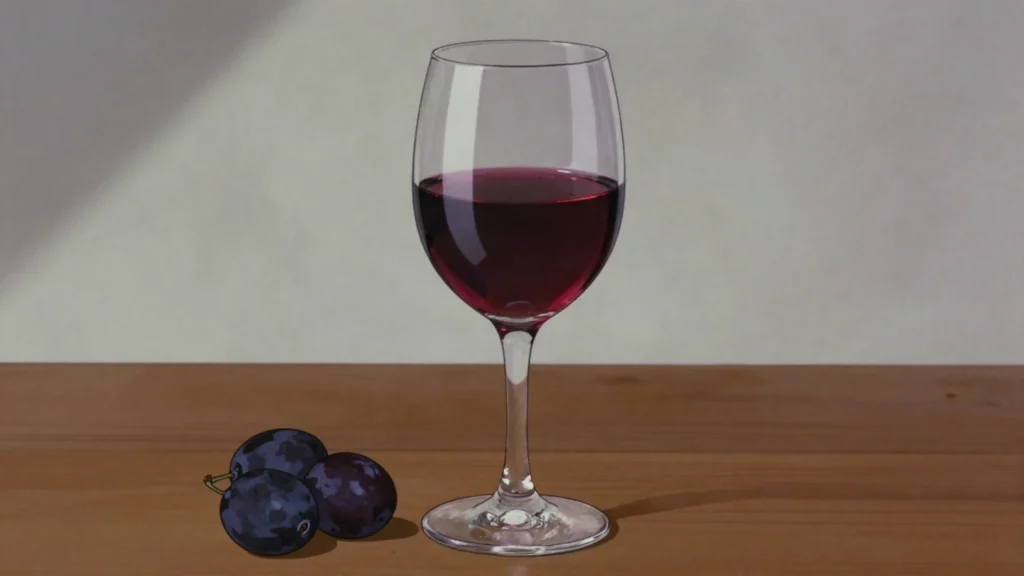

Ingredients
In the vineyard
- 1hectare of Pinotage bush vines, ideally 25 years or older, on decomposed granite or shale
- yields held to 6–8 tonnes per hectare for concentration
- grapes picked at 24–25 degrees Brix, with the pips brown and the skins chewy
In the cellar
- 1tonne of destemmed grapes, lightly crushed
- 20 gper hectolitre selected yeast, or a wild ferment from the vineyard
- open fermenters, for punching down
- 225 litreFrench oak barrels, 20–30 percent new
To serve
- 1 bottlePinotage, held at 16–17°C (60–65°F)
- large-bowled red wine glasses
- a decanter, for young or dense bottlings
Directions
- Know the grape: Pinotage was bred in 1925 by Abraham Izak Perold at Stellenbosch University by crossing Pinot Noir with Cinsaut, then called Hermitage. The first wine was made in 1941 and it exists almost nowhere outside South Africa.
- Pick at full ripeness. Under-ripe Pinotage tastes green and sharply acetone-like, which is the source of the grape’s poor reputation in the 1970s and 80s.
- Destem and lightly crush into open fermenters, then cool-soak the skins for 2–3 days at 10°C (50°F) to draw out colour before fermentation starts.
- Ferment at 24–28°C (75–80°F) for 5–7 days, punching the cap down three or four times a day. Pinotage builds heat and colour fast, and a cap left dry will develop volatile, nail-polish aromas.
- Press off the skins just as the wine goes dry, at around 5–7 days. Long post-ferment maceration turns the tannin bitter in this variety.
- Complete malolactic fermentation in barrel over 4–6 weeks, softening the sharp malic acid into rounder lactic acid.
- Mature 12–18 months in French oak, using a moderate proportion of new wood; heavily charred American oak is what gives the smoky, coffee-and-chocolate style now made deliberately by some producers.
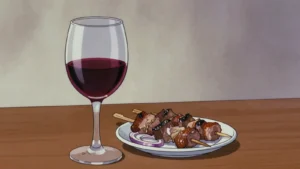
- To serve, open and pour at 16–17°C (60–65°F), cool cellar temperature rather than room temperature. Decant young bottles for 30 minutes. Expect dark plum, mulberry, smoked spice and a firm, slightly rustic tannin, and pair it with anything cooked over coals.
Technique
- The infamous ‘burnt rubber’ or acetone character in older Pinotage is linked to isoamyl acetate and to hot, stressed ferments; modern cool-soak and controlled-temperature winemaking has largely removed it.
- The Cape Blend is a South African category built on Pinotage: a red blend in which Pinotage makes up between 30 and 70 percent alongside Bordeaux varieties.
- Pinotage is unusually vigorous and ripens early, which is why it is often trained as low bush vines rather than trellised.
Substitutions
- If you cannot find Pinotage, a Cinsaut from the Swartland shows the lighter, red-fruited parentage, while a smoky Zinfandel gets closer to the coffee-styled versions.
- For cooking, an inexpensive Pinotage is excellent in a potjie or any long braise, where its dark fruit stands up to hours over low heat.
Variations
- Coffee Pinotage, fermented and aged with heavily toasted staves for an overt mocha character, hugely popular domestically.
- Old-vine dry-farmed Pinotage from Stellenbosch and Swartland, made in a restrained, savoury, low-extraction style.
- Pinotage rosé and even sparkling Pinotage, made by direct press.
History
Bred in 1925 by Abraham Perold at Stellenbosch by crossing Pinot Noir with Cinsaut; the first commercial bottling appeared in 1961.
Frequently asked questions
What is Pinotage?
Pinotage is a wine & spirit from South Africa: dark smoky red grape unique to South Africa, tasting of plum and coffee. Bred in 1925 by Abraham Perold at Stellenbosch by crossing Pinot Noir with Cinsaut; the first commercial bottling appeared in 1961.
How long does Pinotage take to make?
Pinotage takes 10 min to serve of preparation and 12 to 18 months in oak of cooking. The recipe makes 1 bottle (750 ml), 6 glasses. It is rated hard to make.
What can I substitute in Pinotage?
Yes, within limits. If you cannot find Pinotage, a Cinsaut from the Swartland shows the lighter, red-fruited parentage, while a smoky Zinfandel gets closer to the coffee-styled versions. For cooking, an inexpensive Pinotage is excellent in a potjie or any long braise, where its dark fruit stands up to hours over low heat.
What is the most important thing to get right in Pinotage?
To serve, open and pour at 16–17°C (60–65°F), cool cellar temperature rather than room temperature. Decant young bottles for 30 minutes. Expect dark plum, mulberry, smoked spice and a firm, slightly rustic tannin, and pair it with anything cooked over coals.