
A dry white blend of Rkatsiteli and Mtsvane from eastern Kakheti, made in the European style rather than in qvevri. It is named after the estate of Prince Alexander Chavchavadze, who built Georgia’s first European-style winery there in the 1880s.
Wine is grown, not cooked, and this appellation is made in a licensed winery from a defined zone.
What goes into it
- Rkatsiteli and Mtsvane grapes
- yeast
- oak, in the traditional version
How it is made
Unlike the amber qvevri wines, the grapes are pressed and the juice fermented off the skins, cool and clean, then matured — traditionally in oak for up to three years, now often in steel and bottled young. The result is a light, dry, citrus-toned white.
How long it takes: one vintage a year, then months to years of maturation
How it is eaten
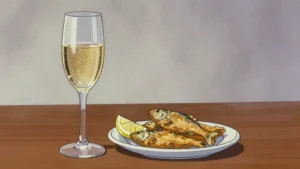
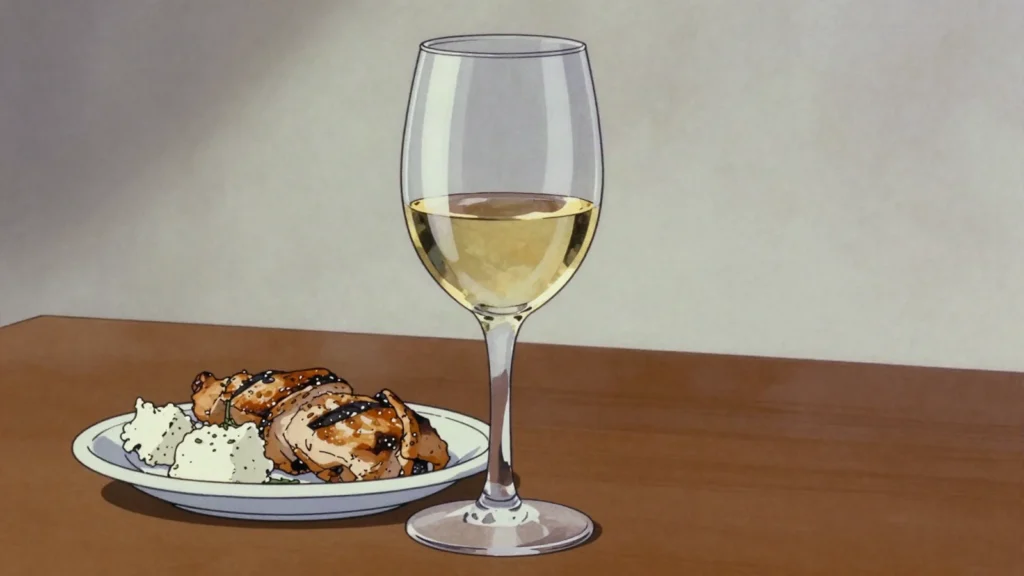
Cold with fish, chicken and fresh cheese.
History
Named after the estate of Prince Alexander Chavchavadze, who built Georgia’s first European-style winery there in the 1880s.
Frequently asked questions
What is Tsinandali?
Tsinandali is a wine & spirit from Georgia: dry white blend of Rkatsiteli and Mtsvane from eastern Kakheti. Named after the estate of Prince Alexander Chavchavadze, who built Georgia’s first European-style winery there in the 1880s.
How is Tsinandali made?
Unlike the amber qvevri wines, the grapes are pressed and the juice fermented off the skins, cool and clean, then matured — traditionally in oak for up to three years, now often in steel and bottled young. The result is a light, dry, citrus-toned white. It takes one vintage a year, then months to years of maturation.
Can I make Tsinandali at home?
No, and the atlas gives no method for it. Wine is grown, not cooked, and this appellation is made in a licensed winery from a defined zone.
What goes into Tsinandali?
Rkatsiteli and Mtsvane grapes, yeast, oak, in the traditional version.
How is Tsinandali eaten?
Cold with fish, chicken and fresh cheese.