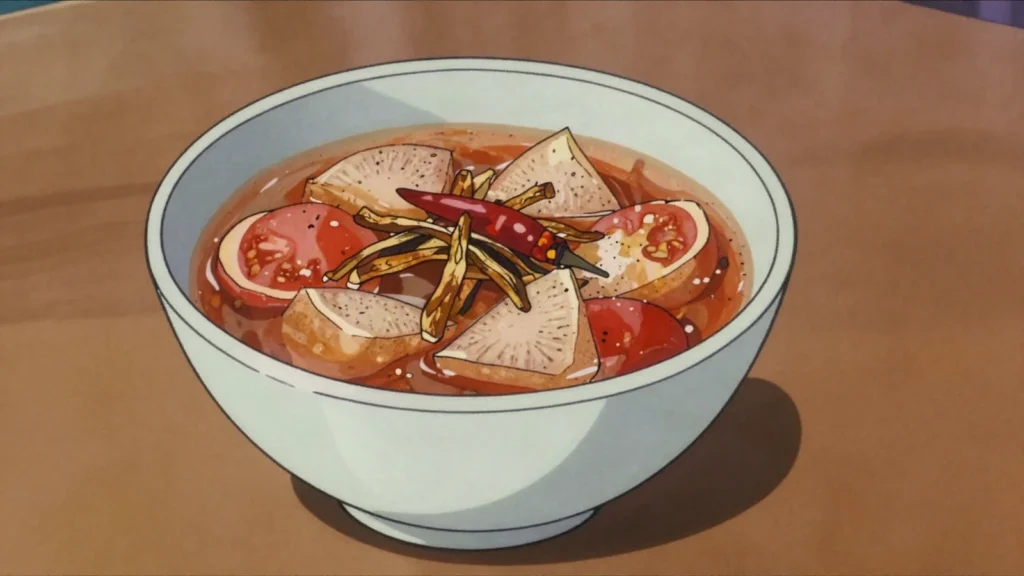

Radish taproots fermented in a pit for weeks, dried, and then cooked into a sour soup. It is buried in leaf-lined pits sealed with mud and straw in the eastern hills of Nepal — a winter store made with no salt and no starter at all.
It is a sealed pit ferment with no salt and no starter, which works only because the pit excludes air and the resident bacteria on the roots take hold fast; a jar on a shelf is a different process.
What goes into it
- radish taproots
- leaves to line the pit
- mud and straw to seal it
How it is made
A pit is dug, lined with leaves and warmed with a fire, then packed hard with wilted radish roots, covered with more leaves and sealed under mud and straw. With air excluded, lactic bacteria on the roots themselves acidify the mass over three to four weeks. It is then dug out, shredded and sun-dried, after which it keeps for a year.
How long it takes: three to four weeks buried, then sun-drying
How it is eaten
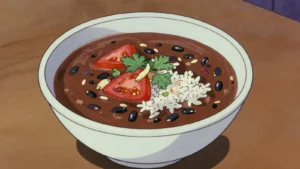
Cooked into sinki ko jhol, a sour soup with tomato and chilli, or fried as a pickle.
History
Buried in leaf-lined pits sealed with mud and straw in the eastern hills, a winter store from a preservation method with no salt or starter.
Frequently asked questions
What is Sinki?
Sinki is a fermented & pickled from Nepal: radish taproots fermented in a pit for weeks, dried, then cooked into sour soup. Buried in leaf-lined pits sealed with mud and straw in the eastern hills, a winter store from a preservation method with no salt or starter.
How is Sinki made?
A pit is dug, lined with leaves and warmed with a fire, then packed hard with wilted radish roots, covered with more leaves and sealed under mud and straw. With air excluded, lactic bacteria on the roots themselves acidify the mass over three to four weeks. It is then dug out, shredded and sun-dried, after which it keeps for a year. It takes three to four weeks buried, then sun-drying.
Can I make Sinki at home?
No, and the atlas gives no method for it. It is a sealed pit ferment with no salt and no starter, which works only because the pit excludes air and the resident bacteria on the roots take hold fast; a jar on a shelf is a different process.
What goes into Sinki?
Radish taproots, leaves to line the pit, mud and straw to seal it.
How is Sinki eaten?
Cooked into sinki ko jhol, a sour soup with tomato and chilli, or fried as a pickle.