
Ingredients
The kumara
- 1.2 kgkumara
- orange, gold or red
- scrubbed
- cut into wedges
To roast
- 4 tablespoonsoil
- or duck fat
- or the roasting juices
- salt and black pepper
Sometimes added
- 2 tablespoonshoney
- or maple syrup
- sprigs of rosemary or thyme
- 4garlic cloves, unpeeled
- a pinch of chilli flakes
To serve
- with a roast dinner
- alongside the meat
- and other roast vegetables
Directions
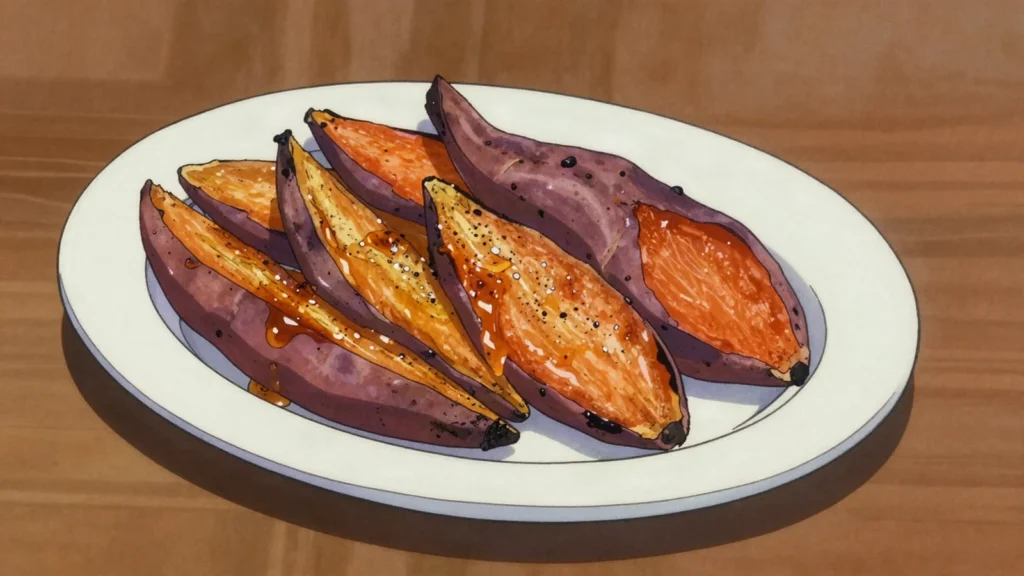
- Roast kumara is caramelised native sweet potato. They kept the tubers cool and dry. Use two trays rather than one crowded. Turn it partway through the roasting. Scrub it well if you leave it on. Use a brush under running water. Scrub it properly if leaving the skin. Trim off any of the damaged patches. Cut the kumara into thick wedges. Cut them about three centimetres thick.
- Keep them all to a similar size. Five minutes in boiling water does it. Drain parboiled kumara very thoroughly. Let it steam dry for a few minutes. Wet kumara will not crisp at all. Shake parboiled pieces in the colander. Heat the oven to two hundred degrees. A genuinely hot oven is needed.
- Preheat it fully before starting. Give it a good twenty minutes. Put the oil in the tray to heat. Hot fat sears the surface immediately. Toss the kumara in the hot fat. Turn every single piece to coat it. Uncoated surfaces do not brown.
- Use tongs rather than your hands. The tray and fat are extremely hot. Stand well back as you add them. Use a long-handled pair of tongs. Spread them in a single layer.
- Leave real space between the pieces. Use two trays rather than crowding one. Season them with salt and pepper. Salt at the start draws out moisture. Roast them for about forty minutes. Thicker wedges take rather longer. Check them after thirty minutes.
- Turn them once partway through. Do it after about twenty-five minutes. Use tongs and work fairly quickly. Drizzle honey over for the last ten minutes. Add rosemary or thyme partway through. Herbs burn if added at the start. Add them halfway through the roasting.
- Add unpeeled garlic cloves partway through. They roast soft and sweet inside. Squeeze them out of the skin to eat. Add them halfway through the roasting. Judging them takes a careful look.
- Serve them straight from the oven. The crisp edges go soft quickly. Serve them as soon as they are done. Do not cover any of them at all. Leave them uncovered on the tray. Serve them straight onto the plate. They are eaten hot with a roast dinner.
Technique
- Kumara is high in sugar, which caramelises into dark sticky edges — the whole point of roasting it — but also burns faster than potato does, so watch it more closely and turn it partway through. Caramelised dark edges taste sweet where burnt black ones taste bitter, and those are genuinely different things.
- Spread the pieces in a single layer with real space between them, using two trays rather than crowding one: crowded pieces steam each other because the moisture cannot escape, and they go soft rather than caramelising. That spacing is not optional.
- Heat the fat in the tray for ten minutes before the kumara goes in, since hot fat sears the surface immediately and starts the crisping where cold fat is absorbed and goes soggy. Lower the pieces in gently with long tongs and stand back, since hot fat spits.
Substitutions
- Duck fat gives the best flavour and the roasting juices work extremely well; plain oil is entirely acceptable and all are genuinely used.
- Parboiling for five minutes then draining thoroughly and shaking the pieces in the colander to roughen their surfaces makes them crisp better — the same trick as roast potatoes — but they must steam dry first, since wet kumara will not crisp at all.
Variations
- Honey or maple syrup goes on only for the last ten minutes, since it burns very quickly, and herbs and unpeeled garlic go in halfway through for the same reason — the garlic’s skin protects it and it roasts soft and sweet inside.
- Kumara arrived with Polynesian voyagers and was a major Māori crop stored through winter in carefully dug and lined pits whose remains are found archaeologically. Today’s larger sweeter varieties descend from American imports of the 1850s, though older varieties still exist and some are deliberately preserved.
- Serve them straight from the oven and uncovered, since covering traps steam and softens the crisp edges within minutes.
History
Kumara came with Polynesian voyagers and was stored in pits; today’s sweeter varieties descend from American imports of the 1850s.
Frequently asked questions
What is Roast Kūmara?
Roast Kūmara is a salad & side from New Zealand: caramelised native sweet potato, essential to a Kiwi roast dinner. Kumara came with Polynesian voyagers and was stored in pits; today’s sweeter varieties descend from American imports of the 1850s.
How long does Roast Kūmara take to make?
Roast Kūmara takes 15 minutes of preparation and 50 minutes of cooking. The recipe makes serves 6. It is rated easy to make.
What can I substitute in Roast Kūmara?
Yes, within limits. Duck fat gives the best flavour and the roasting juices work extremely well; plain oil is entirely acceptable and all are genuinely used. Parboiling for five minutes then draining thoroughly and shaking the pieces in the colander to roughen their surfaces makes them crisp better — the same trick as roast potatoes — but they must steam dry first, since wet kumara will not crisp at all.
What is the most important thing to get right in Roast Kūmara?
Roast kumara is caramelised native sweet potato. They kept the tubers cool and dry. Use two trays rather than one crowded. Turn it partway through the roasting. Scrub it well if you leave it on. Use a brush under running water. Scrub it properly if leaving the skin. Trim off any of the damaged patches. Cut the kumara into thick wedges. Cut them about three centimetres thick.