
Ingredients
What the practice uses
- fresh blood from a living bullock
- drawn by a skilled herder
- fresh cattle milk
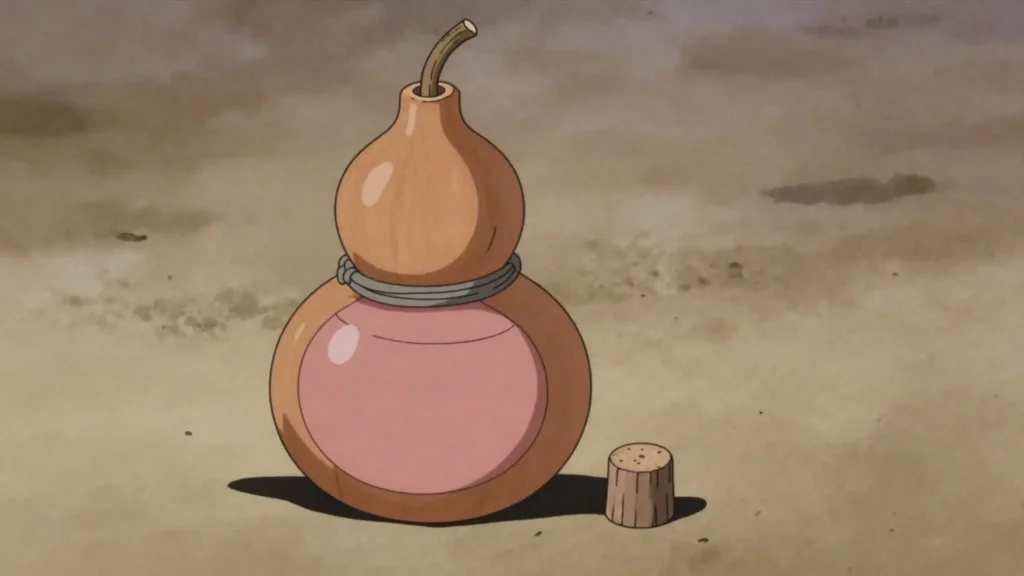
- a gourd, cleaned and smoked
The tools
- a bow and a blunted arrow
- a tourniquet cord
- a stick, for stirring
When it is drunk
- at births
- at circumcision ceremonies
- given to the sick
- given to warriors
Directions
- Maasai blood and milk is fresh cattle blood mixed with milk.
- It is drunk on ceremonial days.
- Herders tap a bullock’s jugular with a blunt arrow.
- They seal the wound afterwards.
- The blood is then mixed with milk.
- It is given at births and to the sick.
- A note on what this entry is belongs at the front.
- The atlas records this practice as it exists.
- It does not set it out as a recipe to follow.
- It involves drawing blood from a living animal.
- That requires skill nobody should improvise.
- It also carries real disease risks.
- Both of those are set out plainly below.
- Understanding the Maasai is worth stating.
- The Maasai are a pastoralist people.
- They live across Kenya and Tanzania.
- Cattle are central to their economy and culture.
- Wealth and standing are measured in cattle.
- Understanding the practice is worth explaining.
- The animal is not killed for this.
- A cord is tied to raise the jugular vein.
- An arrow with a blunted tip is used.
- It is shot at very close range.
- That makes a small controlled puncture.
- Understanding the blunted arrow is worth stating.
- The tip is blocked so it cannot penetrate deeply.
- It opens the vein without going through it.
- That is what makes the wound survivable.
- A sharp arrow would kill the animal.
- Understanding the sealing is worth explaining.
- The wound is closed immediately afterwards.
- It is pinched shut or sealed with mud or dung.
- The animal is then released again.
- The same animal is not tapped again soon.
- Understanding the skill involved is worth stating.
- This is done by people who have learned it.
- The placement of the shot matters a great deal.
- So does the force and the sealing.
- Done badly it injures or kills the animal.
- It is not something to attempt untrained.
- Understanding the animal welfare question is worth stating.
- The practice is intended to leave the animal alive.
- It nonetheless causes stress and blood loss.
- Views on it differ inside and outside the community.
- The atlas records that rather than settling it.
- Understanding when it is drunk is worth explaining.
- It is not everyday food for most Maasai now.
- It is associated with particular occasions.
- Births and circumcision ceremonies are among them.
- It is given to people who are unwell.
- It is also given to young warriors.
- Understanding the reasoning is worth stating.
- Blood is regarded as strengthening.
- It is given to people who need building up.
- That includes women after childbirth.
- It is a restorative rather than a staple.
- Understanding the decline is worth a note.
- The practice has become less common.
- Many Maasai now live differently.
- Land pressure has reduced herd sizes.
- Diets have changed considerably.
- It survives mainly as ceremonial.
- A health note belongs here and matters.
- Raw blood and raw milk carry real risks.
- Both can transmit diseases from cattle to people.
- Brucellosis is one of those diseases.
- Bovine tuberculosis is another.
- Anthrax and Rift Valley fever are others again.
- Q fever is transmitted the same way.
- Understanding those risks is worth stating.
- These are documented zoonotic diseases.
- They are a genuine concern in pastoralist populations.
- Public health work in the region addresses them.
- Cooking or pasteurising removes most of the risk.
- This preparation involves neither.
- Understanding who is most at risk is worth stating.
- Pregnant people should not drink raw milk or blood.
- Nor should any young children.
- Nor should anyone immunocompromised.
- Those risks apply anywhere raw dairy is drunk.
- Understanding the milk is worth explaining.
- The milk is fresh from the same herds.
- It is kept in gourds rather than vessels of metal.
- Those gourds are cleaned and smoked inside.
- Smoking them sterilises and flavours the milk.
- Understanding the gourd is worth stating.
- A calabash gourd is dried and hollowed.
- It is cleaned with sand and water.
- The inside is charred with a burning stick.
- That charring is repeated between uses.
- Understanding why smoking matters is worth explaining.
- The smoke reduces bacteria inside the gourd.
- It also gives the milk a distinct smoky flavour.
- That flavour is part of what the drink tastes like.
- It is a preservation method as much as a flavouring.
- Understanding the mixing is worth stating.
- Blood and milk are combined in the gourd.
- The proportions vary considerably.
- It is stirred with a stick to prevent clotting.
- Understanding the clotting is worth explaining.
- Blood begins clotting as soon as it is drawn.
- Stirring breaks up the forming clots.
- The fibrin can also be removed by stirring.
- That keeps the mixture drinkable.
- Understanding the taste is worth a note.
- The mixture is described as rich and iron-like.
- It is thick rather than thin at all.
- The smoked gourd adds its own flavour.
- It is not sweetened or spiced.
- Understanding the nutrition is worth stating.
- Blood is high in iron and protein.
- Milk adds fat, protein and calcium.
- Together they are genuinely nourishing.
- That is the logic behind giving it to the sick.
- Understanding the wider practice is worth a note.
- Blood drinking is found among other pastoralists.
- Several East African groups have similar practices.
- The details differ between them.
- The underlying logic is much the same.
- Understanding how to encounter it is worth stating.
- Visitors are sometimes offered it.
- Accepting or declining are both acceptable.
- Declining politely causes no offence.
- Anyone at higher health risk should decline.
- Understanding what the atlas is doing is worth repeating.
- This entry describes a real practice accurately.
- It does not instruct anyone to perform it.
- The skill and the risks are both real.
- That distinction is deliberate.
- Understanding the respect due is worth stating.
- This is a serious cultural practice.
- It is not a curiosity or a dare.
- It carries meaning within the community.
- It is recorded here on those terms.
Technique
- The atlas records this practice as it exists rather than setting it out as a recipe to follow. Drawing blood from a living animal requires skill nobody should improvise: a cord raises the jugular, an arrow with a blocked tip is shot at close range to open the vein without going through it, and the wound is sealed immediately. Done badly it injures or kills the animal.
- Raw blood and raw milk can transmit real diseases from cattle to people, including brucellosis, bovine tuberculosis, anthrax, Rift Valley fever and Q fever. These are documented zoonotic risks that public health work in the region addresses, and cooking or pasteurising removes most of them, which this preparation involves neither of. Pregnant people, young children and anyone immunocompromised should not drink raw milk or blood.
- It is not everyday food for most Maasai now: the practice has become less common as herd sizes and diets have changed, and it survives mainly at births, circumcision ceremonies, and as a restorative given to the sick and to warriors. Blood is regarded as strengthening, which is the reasoning behind who receives it.
Substitutions
- The milk is kept in calabash gourds charred inside with a burning stick, which reduces bacteria and gives the smoky flavour that is part of how the drink tastes.
- Blood is stirred with a stick as it is drawn, since it begins clotting immediately and stirring breaks up and removes the forming fibrin.
Variations
- Blood drinking is found among several East African pastoralist peoples, with differing details and much the same underlying logic.
- The proportions of blood to milk vary considerably.
- Visitors are sometimes offered it, and declining politely causes no offence.
History
Maasai herders tap a bullock jugular with a blunt arrow, seal the wound and mix the blood with milk; it is given at births and to the sick.
Frequently asked questions
What is Maasai blood and milk?
Maasai blood and milk is a drink from Kenya: fresh cattle blood mixed with milk, drunk on ceremonial days. Maasai herders tap a bullock jugular with a blunt arrow, seal the wound and mix the blood with milk; it is given at births and to the sick.
How long does Maasai blood and milk take to make?
Maasai blood and milk takes not applicable of preparation and no cooking at all. The recipe makes recorded rather than a recipe. It is rated hard to make.
What can I substitute in Maasai blood and milk?
Yes, within limits. The milk is kept in calabash gourds charred inside with a burning stick, which reduces bacteria and gives the smoky flavour that is part of how the drink tastes. Blood is stirred with a stick as it is drawn, since it begins clotting immediately and stirring breaks up and removes the forming fibrin.
What is the most important thing to get right in Maasai blood and milk?
The atlas records this practice as it exists rather than setting it out as a recipe to follow. Drawing blood from a living animal requires skill nobody should improvise: a cord raises the jugular, an arrow with a blocked tip is shot at close range to open the vein without going through it, and the wound is sealed immediately. Done badly it injures or kills the animal.