The starchy, sweet, floury nut of a great deciduous tree — the only nut that is more like a grain than a fat — roasted on winter streets, ground into flour, candied into marrons glacés, and once the staple of mountain Europe.
Where it comes from
The sweet chestnut grows across southern Europe, Anatolia and the Caucasus, and for centuries it fed the mountain poor of Italy, Corsica, southern France and northern Spain, who called it the bread tree and ground it into flour when wheat would not grow; polenta and bread were made from it before maize arrived. Japan, Korea and China have their own species and their own long traditions — the Japanese kuri and the Chinese chestnut, sweeter and easier to peel. The American chestnut, once a dominant forest tree, was wiped out by blight a century ago.
Unlike other nuts it is low in oil and high in starch and water, so it must be cooked, and it behaves in the kitchen like a sweet potato or a grain. Roasted or boiled whole it is a winter street food from Lisbon to Tokyo; puréed it stuffs a Christmas bird and becomes the French crème de marrons; candied whole in syrup it is the marron glacé; ground it makes a sweet, grey flour for the Tuscan castagnaccio and Corsican pulenda. Water chestnuts are an unrelated aquatic vegetable.
Varieties
- European sweet chestnut (castagna) — Medium, several to a burr, with a fibrous skin under the shell. Roasting, boiling, flour.
- Marron — The large, single-nut, easily peeled cultivated varieties — for marrons glacés and purée.
- Japanese chestnut (kuri) — Large, sweet; in kuri gohan rice and the sweet kuri kinton.
- Chinese chestnut — Small, very sweet, easy to peel; roasted in sugar-coated sand on street carts.
- Chestnut flour — Sweet, grey, gluten-free; for castagnaccio, Corsican pastries and pasta.
- Vacuum-packed and tinned chestnuts — Cooked and peeled; the practical form for stuffing, soups and purées.
In the kitchen
To roast, cut a cross or slit in each shell — or they explode — and roast at 200°C for twenty to thirty minutes until the shells curl back; peel while hot, skin and all, in a towel. To boil for purée or stuffing, slit, boil twenty minutes, and peel warm. Peeling is the labour; vacuum-packed cooked chestnuts skip it and are excellent.
Chestnuts go with Brussels sprouts, bacon, sausage and sage in a stuffing; with game, pork and red cabbage; with mushrooms in a soup; with chocolate, vanilla and rum in desserts; with rice in Japan. Chestnut flour makes a dense, sweet cake with rosemary, pine nuts and olive oil.
Choosing and keeping
Fresh chestnuts should be heavy, glossy, firm and unblemished, with no gap between shell and nut when squeezed; they are a fruit, not a dry nut, and mould and dry out within a week or two. Keep them in the fridge in a paper bag, or freeze them slit.
Vacuum-packed cooked chestnuts keep for months and are better than tinned. Chestnut flour goes rancid within a few months; buy fresh in autumn and keep it in the freezer.
Dishes with chestnut
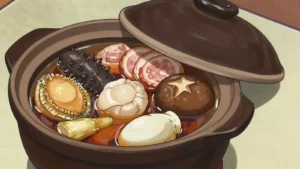 Buddha Jumps Over the WallLavish Fujian pot of abalone, sea cucumber, ham and mushrooms simmered in wine
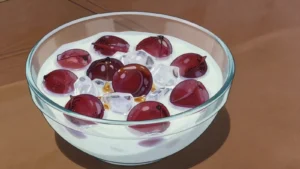 Tub Tim Krob'Crispy rubies' of water chestnut in coconut milk and ice
 ZongziSticky rice with pork or red bean wrapped in bamboo leaves for Dragon Boat Festival
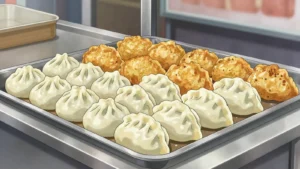 Dim SimOversized pork-and-cabbage dumpling, steamed or deep-fried at fish-and-chip shops
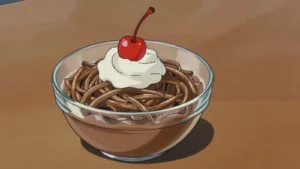 VermicellesSweet chestnut purée piped in strands over meringue and cream
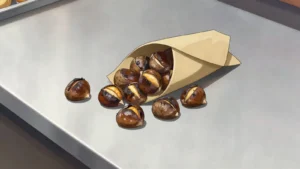 MaroniSweet chestnuts roasted in a drum and sold in paper cones
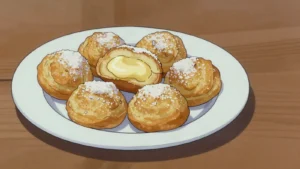 Bunuelos de vientoHollow choux fritters filled with cream, custard or chocolate.
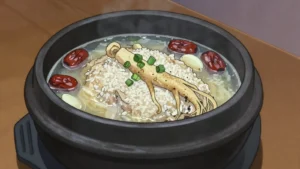 SamgyetangWhole young chicken stuffed with ginseng, garlic and rice, summer restorative
Chestnut is tagged on 18 dishes from 12 countries in the atlas. These notes are written from general knowledge and carry no per-fact citation — see About.