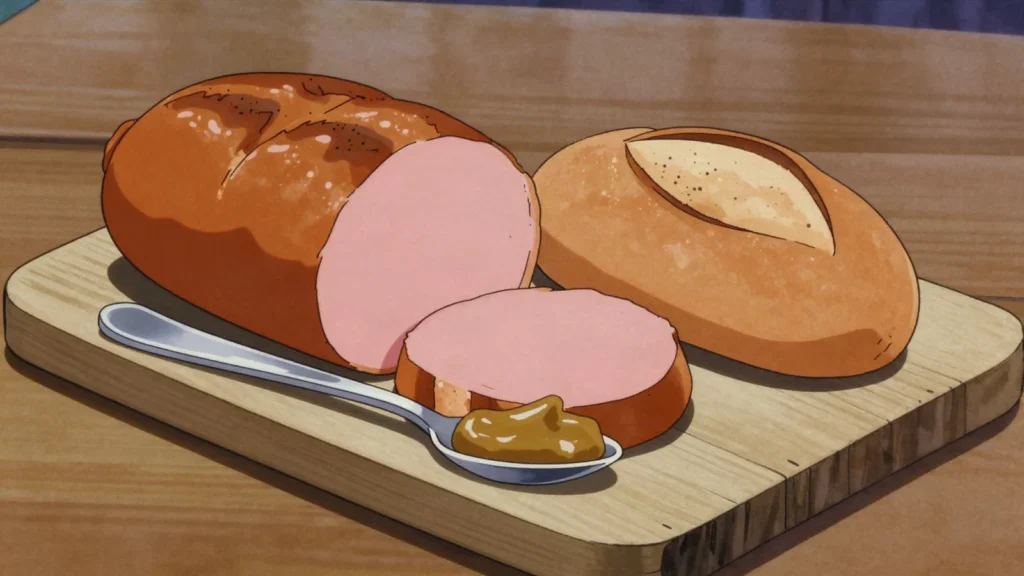

Ingredients
Meat
- 500 glean pork shoulder, cubed and frozen 30 minutes
- 300 glean beef, cubed and frozen 30 minutes
- 400 gpork back fat, cubed and frozen 30 minutes
- 200 gcrushed ice
Seasoning
- 20 gfine salt
- 3 gcuring salt (nitrite salt), for the pink colour
- 1 tspground white pepper
- 1 tspground mace
- ½ tspground ginger
- ½ tspground cardamom
- 1small onion, grated
- 1 tspsugar
To serve
- crusty rolls
- sweet Bavarian mustard
- a fried egg, if you like
Directions
- Chill everything hard — meat, fat, bowl and blade — and freeze the cubed meat for 30 minutes before you start. The whole dish is an emulsion, and an emulsion breaks the moment the mixture rises above about 12°C (54°F).
- Blitz the pork and beef in a food processor with the salts, sugar and half the crushed ice until it forms a smooth sticky paste.
- Add the back fat, the seasonings and the grated onion with the rest of the ice and blitz again until completely smooth and pale — like a thick batter. Stop and feel the bowl; if it is no longer cold, put the whole thing back in the freezer for 20 minutes before continuing.
- Pack the paste into a lined loaf tin, banging it down hard on the worktop several times to drive out air pockets, and smooth the top.
- Score the surface in a diamond lattice with a wet knife — this is what gives the finished loaf its crust and its look.
- Bake at 160°C (320°F) for about an hour, until the centre reaches 72°C (162°F) and the top is deep brown and crusted. Use a probe; the colour alone will mislead you.
- Rest 10 minutes, then slice thick and serve hot in a crusty roll with sweet mustard.
- It keeps three days chilled, and fried slices are better than the first day’s.
Technique
- Cold, cold, cold. Every failed Leberkäse is a broken emulsion, and every broken emulsion is a warm bowl.
- The curing salt is what makes it pink rather than grey. Leave it out if you prefer, but use the exact rate if you use it at all.
- Bavarian Leberkäse contains no liver and no cheese, and that is protected by law — the name is much older than the recipe.
Substitutions
- All pork, which is common outside Bavaria.
- A stick blender in a deep jug if there is no processor, working in batches and keeping everything iced.
- Skip the curing salt for a grey but perfectly good loaf.
Variations
- Käseleberkäse folds cubes of Emmental through the paste before baking.
- Pizzaleberkäse adds peppers, olives and oregano, which is sold everywhere in Bavaria and horrifies purists.
History
A finely ground meatloaf, made from a mixture of beef, pork and bacon, baked in a loaf pan until it develops a distinctive browned crust, then typically sliced and pan-fried, documented across Germany, particularly Bavaria, as a traditional dish despite its name meaning literally liver cheese, since the modern dish generally contains neither liver nor cheese, reflecting an older historical recipe or naming convention that has since diverged from its current standard ingredients. Its smooth, fine texture, achieved by grinding the meat mixture extremely finely before baking, distinguishes leberkäse clearly from chunkier meatloaf traditions found elsewhere. Leberkäse remains a popular dish across Bavaria and much of southern Germany, commonly sold as a hot sandwich filling.
Frequently asked questions
What is Leberkäse?
Leberkäse is a charcuterie & cured from Germany: silky baked meatloaf sliced hot into crusty rolls. A finely ground meatloaf, made from a mixture of beef, pork and bacon, baked in a loaf pan until it develops a distinctive browned crust, then typically sliced and pan-fried, documented across Germany, particularly Bavaria, as a traditional dish despite its name meaning literally liver cheese, since the modern dish generally contains neither liver nor cheese, reflecting an older historical recipe or naming convention that has since diverged from its current standard ingredients. Its smooth, fine texture, achieved by grinding the meat mixture extremely finely before baking, distinguishes leberkäse clearly from chunkier meatloaf traditions found elsewhere. Leberkäse remains a popular dish across Bavaria and much of southern Germany, commonly sold as a hot sandwich filling.
How long does Leberkäse take to make?
Leberkäse takes 40 min plus 2 hours chilling of preparation and 1 hour of cooking. The recipe makes serves 8. It is rated medium to make.
What can I substitute in Leberkäse?
Yes, within limits. All pork, which is common outside Bavaria. A stick blender in a deep jug if there is no processor, working in batches and keeping everything iced. Skip the curing salt for a grey but perfectly good loaf.
What is the most important thing to get right in Leberkäse?
Chill everything hard — meat, fat, bowl and blade — and freeze the cubed meat for 30 minutes before you start. The whole dish is an emulsion, and an emulsion breaks the moment the mixture rises above about 12°C (54°F).