
Ingredients
Dough
- 600 gplain flour
- 80 gsugar
- 100 gbutter, melted
- 2eggs
- about 150 ml milk
- 1/2 teaspoonsalt
- a pinch of ground cardamom
To fry
- oil, for deep frying
- or ghee, for a richer result
To finish
- icing sugar, for dusting
- or caster sugar
- a little honey, optional
To serve
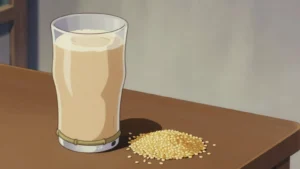
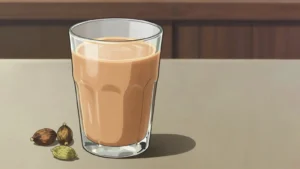
- suja, butter tea
- at Losar, the new year
- stacked high for guests
Directions
- Put the flour, sugar and salt in a bowl. Add the pinch of ground cardamom. Make a well in the middle of it. Beat the eggs and pour them in. Add the melted butter to the well. Bringing it together takes care. Work the flour into the wet ingredients.
- Add the milk a little at a time. Stop when it comes together as a dough. Add flour if it feels at all sticky. Turn it out onto a floured surface. Knead it for about eight minutes. It should become smooth and firm. Wrap the dough and let it rest. Give it at least thirty minutes.
- Divide the dough into several pieces. Roll each out on a floured surface. Take it down to about three millimetres. Keep it as even as you possibly can. Cut the sheet into long strips.
- Make them about two centimetres wide. Take a strip and hold both ends. Twist it several times in opposite directions. Press the ends to hold the twist. Making the knots takes a little practice. Cut shorter strips for the knots.
- Tie each one into a simple loose knot. Do not pull the knot tight at all. Cut a wider rectangle of dough. Cut several parallel slits down the middle. Do not cut through either end. Thread one end back through the slits. Pull it gently to open the lattice. Heating the oil takes attention.
- Pour the oil into a deep heavy pot. Fill it no more than half full. Heat it to about one hundred and seventy degrees. It should sizzle and rise steadily. Keep a lid nearby to smother a flare-up. Never put water on an oil fire at all.
- Keep children well away from the pot. Frying them takes care and batches. Turn them over with a slotted spoon. Give them another minute or so. Check the temperature between batches. Let it recover before adding more.
- Lift them out onto a wire cooling rack. A rack keeps them crisp underneath. Let all the excess oil drip away. Let them cool right down on the rack. Warm ones still feel soft in the middle. Do not judge them until they are cold.
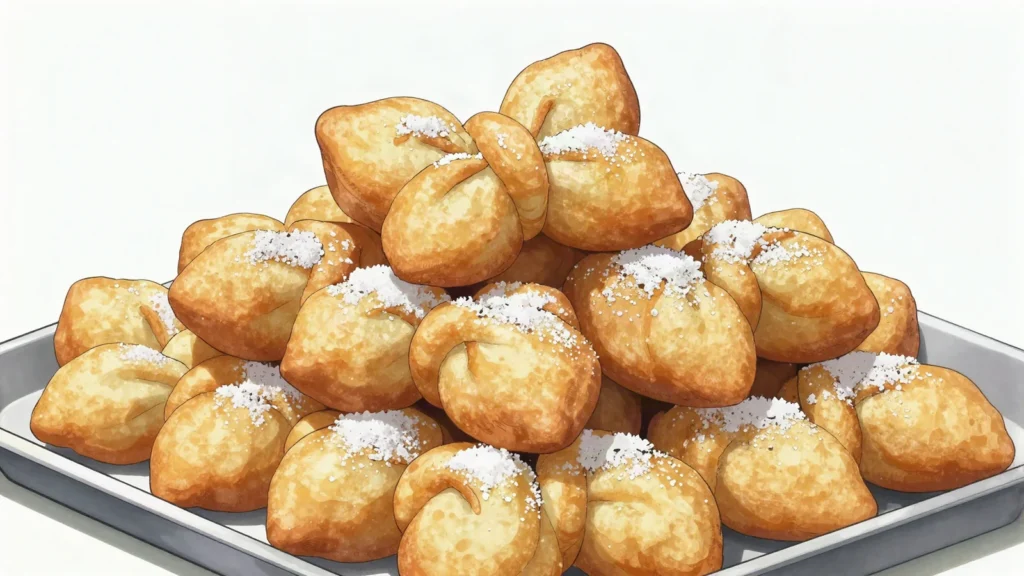
- Dust them generously with icing sugar. Set it out for guests to take from. Serving them is done with butter tea. Keep them somewhere dry and cool. Damp air makes them go soft quickly.
Technique
- These are not served in ones and twos but built into tall stacks on the table, a display as much as a food that shows the household is prepared and stands through the whole Losar visiting period; that is why they must keep for days.
- The dough is firm and quite dry rather than soft or sticky, closer to a pastry than a bread and with no raising agent at all; soft dough puffs up and goes greasy while firm dough fries crisp and holds its shape.
- They crisp considerably as they cool, so warm ones still feeling soft in the middle is normal and they should not be judged until completely cold.
Substitutions
- Ghee in place of oil for frying gives a noticeably richer result.
- Caster sugar tossed on works in place of dusted icing sugar.
Variations
- Twists, knots, ribbons and cut lattice shapes are all made.
- Different regions of the Himalaya favour different forms.
- Some cooks drizzle honey over the stack instead of sugar.
History
Piled high on tables at Losar, the Bhutanese new year, and offered to visitors with butter tea.
Frequently asked questions
What is Khabzey?
Khabzey is a bread & pastry from Bhutan: deep-fried wheat-flour twists and knots dusted with sugar, stacked for guests. Piled high on tables at Losar, the Bhutanese new year, and offered to visitors with butter tea.
How long does Khabzey take to make?
Khabzey takes 1 hour plus resting of preparation and 30 minutes of cooking. The recipe makes about 40 pieces. It is rated medium to make.
What can I substitute in Khabzey?
Yes, within limits. Ghee in place of oil for frying gives a noticeably richer result. Caster sugar tossed on works in place of dusted icing sugar.
What is the most important thing to get right in Khabzey?
Tie each one into a simple loose knot. Do not pull the knot tight at all. Cut a wider rectangle of dough. Cut several parallel slits down the middle. Do not cut through either end. Thread one end back through the slits. Pull it gently to open the lattice. Heating the oil takes attention.