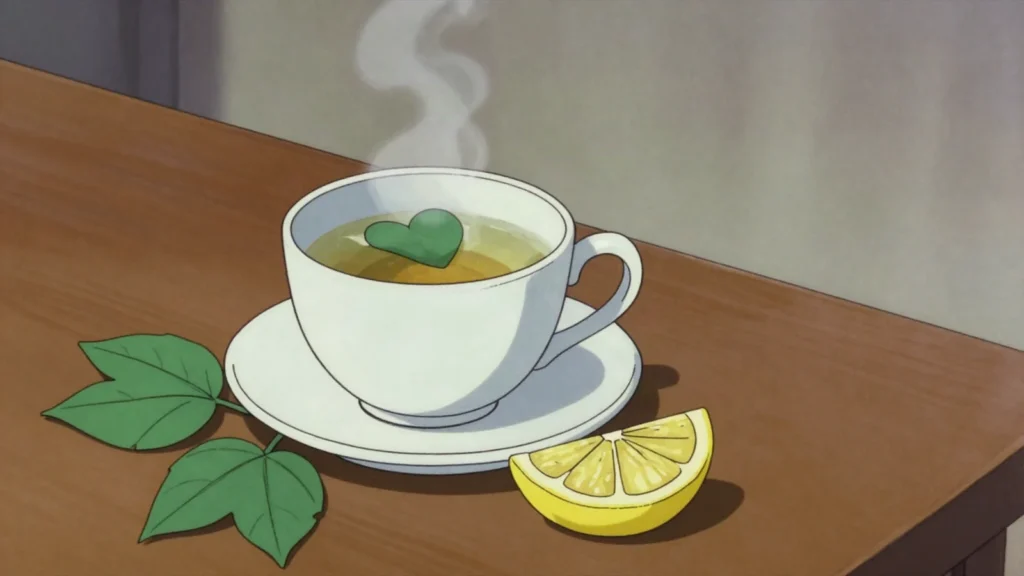

Ingredients
Leaves
- 10fresh kawakawa leaves
- or 3 tablespoons dried kawakawa
- 1 litrewater
Sometimes added
- honey, to taste
- a slice of lemon
- a slice of fresh ginger
- a few mint leaves
To serve
- cups or a teapot
- hot or chilled
Directions
- Take only a few leaves from any one plant. Never strip any one plant bare. Pick healthy mature leaves only. Rinse them under cold running water.
- Tear or bruise them slightly by hand. Tear them rather than chopping them fine. Spread fresh leaves in a single layer. Dry them somewhere warm and airy.
- Keep them out of direct sunlight. Give them several days to dry out. Bring the water up to a full boil.
- Put the leaves in a teapot or a jug. Pour the boiling water over them. Cover it and let it steep properly. Give it at least ten full minutes.
- Taste it as it goes along to judge. Put them in water and bring it to a boil. Simmer it for about ten minutes. Judging the tea takes a look and a taste.
- Pour it through a fine strainer. Discard all of the spent leaves. Serving it is done hot or chilled.
- Pour it out hot into small cups. It keeps two days refrigerated. Make it fresh each time where you can.
Technique
- Rongoa Maori is a traditional healing system covering plants, physical therapies and spiritual practice, held within Maori knowledge and protocol rather than being a list of remedies; the atlas records kawakawa’s place in it without setting out medical instruction.
- Kawakawa is Piper excelsum, a native pepper-family shrub related to kava and black pepper, and leaves full of holes from a looper caterpillar are traditionally preferred, one account being that the damaged plant responds by becoming more potent; that preference is traditional rather than proven but widely followed.
- Kawakawa contains myristicin, also found in nutmeg, which is not a concern in ordinary amounts though very large quantities are not advisable; some guidance advises avoiding it in pregnancy, and it is a drink rather than a treatment.
Substitutions
- Dried kawakawa is milder and keeps for months, while fresh leaves give a stronger sharper tea.
- Commercially sold kawakawa tea bags are widely available in New Zealand.
Variations
- Some people simmer the leaves and others steep them, with steeping giving a cleaner flavour.
- Ginger, mint, lemon or honey are all added.
- It is drunk hot or cooled and served over ice.
History
Kawakawa is a central plant of rongoā Māori medicine, drunk for digestion and now sold commercially as herbal tea.
Frequently asked questions
What is Kawakawa Tea?
Kawakawa Tea is a drink from New Zealand: infusion of heart-shaped native pepper leaves; peppery and slightly bitter. Kawakawa is a central plant of rongoā Māori medicine, drunk for digestion and now sold commercially as herbal tea.
How long does Kawakawa Tea take to make?
Kawakawa Tea takes 10 minutes of preparation and 15 minutes of cooking. The recipe makes serves 4. It is rated easy to make.
What can I substitute in Kawakawa Tea?
Yes, within limits. Dried kawakawa is milder and keeps for months, while fresh leaves give a stronger sharper tea. Commercially sold kawakawa tea bags are widely available in New Zealand.
What is the most important thing to get right in Kawakawa Tea?
Take only a few leaves from any one plant. Never strip any one plant bare. Pick healthy mature leaves only. Rinse them under cold running water.