
Ingredients
Grist
- 4.2 kgpale Pilsner malt
- 0.3 kgCarapils or light dextrin malt
- 25 litresbrewing liquor, low in carbonate, treated to about 50 ppm calcium
Hops
- 25 gHallertau Magnum or similar bittering hop (about 12 percent alpha) at the start of the boil
- 20 gHallertau Mittelfrueh at 15 minutes
- 15 gSaaz at flameout
Yeast and finishing
- 2packs (or a 2 litre starter) of a clean bottom-fermenting lager yeast, Weihenstephan 34/70 style
- 120 gdextrose, dissolved in 300 ml boiled water, for bottle conditioning
Nothing else
- No maize, rice, sugar adjunct, enzyme or stabiliser: the beer is brewed to the 1516 purity law of malt, hops, water and yeast alone
Directions
- Mash the crushed malts in 16 litres of liquor at 65–66°C (150–150°F) and hold for 60 minutes, stirring twice. This lower rest gives a highly fermentable wort and the dry, clean finish the beer is known for.
- Boil hard and uncovered for 60 minutes.
- Add the bittering hops at the start for about 20–22 IBU, the Mittelfrueh at 15 minutes and the Saaz at flameout. Whirlpool for 15 minutes, then chill the wort as fast as you can to 9°C (50°F).
- Transfer to the fermenter, aerate the cooled wort well, and pitch the lager yeast at 9°C (50°F). Lager yeast needs roughly twice the cell count of an ale pitch; underpitching is the commonest cause of a sulphury, fruity beer.
- Drop the temperature by 2–3 C per day down to 0–2 C and lager it there for 4 weeks. Prime with the dissolved dextrose, bottle, and condition at 18°C (65°F) for 2 weeks, then return the bottles to cold storage.
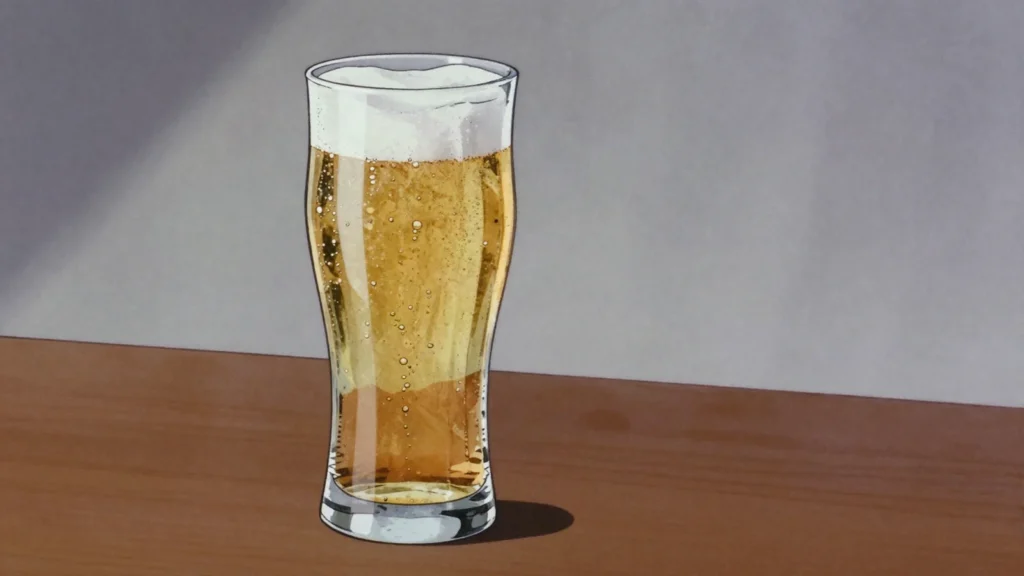
- Serve very cold, 3–5 degrees, in a chilled straight glass, poured briskly for a tight white head. It is drunk ice-cold everywhere from Windhoek to the coast, at braais, at the market grills and through the long dry heat of the interior.
Technique
- Windhoek Lager has been brewed by Namibia Breweries in Windhoek since 1920, and its identity rests on brewing to the German Reinheitsgebot with no adjuncts, which is unusual for an African lager.
- Temperature control is the whole difficulty of a lager. Without a way to hold 10–12°C (50–55°F) for two weeks and then 0–2 C for a month, you will make an ale-flavoured beer, not this one.
- The style has nowhere to hide: no roast, no strong hop, no fruit. Any oxidation, infection or shortcut in the cold conditioning shows up immediately in the glass.
- The brewery draws water from Namibian aquifers; softening your brewing liquor to a low carbonate profile is the closest a home brewer can get to that.
Substitutions
- No temperature-controlled fridge: use a clean lager-character yeast fermented cool, or a Kolsch-style yeast at 15–16°C (60–60°F), and accept a slightly rounder beer.
- Saaz and Hallertau are interchangeable with any noble hop, including Tettnang and Spalt.
- This is not a beer to brew at home if you simply want to taste it. Namibia Breweries exports widely, and the bottled original, poured cold, is the reference point.
Variations
- Windhoek Draught, the same beer on tap, slightly softer and lower in carbonation.
- Windhoek Light, brewed to a lower alcohol at around 2.4 percent.
- Tafel Lager, the other Namibian classic from the same brewery, a touch sweeter and maltier.
History
Namibia Breweries has brewed since 1920 following the German Reinheitsgebot purity law, a legacy of German colonial rule that became a marketing badge.
Frequently asked questions
What is Windhoek Lager?
Windhoek Lager is a wine & spirit from Namibia: clean pale lager brewed to malt, hops, water and yeast alone. Namibia Breweries has brewed since 1920 following the German Reinheitsgebot purity law, a legacy of German colonial rule that became a marketing badge.
How long does Windhoek Lager take to make?
Windhoek Lager takes 6 hr brew day of preparation and 6 weeks fermenting and lagering of cooking. The recipe makes 20 litres (about 55 bottles). It is rated hard to make.
What can I substitute in Windhoek Lager?
Yes, within limits. No temperature-controlled fridge: use a clean lager-character yeast fermented cool, or a Kolsch-style yeast at 15–16°C (60–60°F), and accept a slightly rounder beer. Saaz and Hallertau are interchangeable with any noble hop, including Tettnang and Spalt. This is not a beer to brew at home if you simply want to taste it. Namibia Breweries exports widely, and the bottled original, poured cold, is the reference point.
What is the most important thing to get right in Windhoek Lager?
Temperature control is the whole difficulty of a lager. Without a way to hold 10–12°C (50–55°F) for two weeks and then 0–2 C for a month, you will make an ale-flavoured beer, not this one.