
Ingredients
Grain and water
- 4 kgpale pilsner malt
- 300 gCarapils or light dextrin malt
- 22 litresbrewing water, treated to a low mineral profile
- 1 tspcalcium chloride, if your water is very soft
Hops and yeast
- 25 gHallertau or Saaz hops, at 60 minutes
- 15 gHallertau or Saaz hops, at 15 minutes
- 1sachet lager yeast (Saflager W-34/70 or similar), or a 2 litre starter
- ½ tspIrish moss or one protafloc tablet, at 15 minutes
Packaging
- 120 gdextrose dissolved in 300 ml boiled water, for bottle priming
- 40crown-capped 500 ml bottles, sanitised
Directions
- Mash the crushed malts in 13 litres of water at 65°C (150°F) and hold for 60 minutes; this rest favours fermentable sugars and gives the dry, light body a beach lager needs. Raise to 76°C (170°F) for 10 minutes to stop conversion, then sparge with the remaining water at 76°C (170°F) to collect about 23 litres of wort.
- Boil hard for 60 minutes, adding the 25 g hop charge at the start, and the 15 g charge plus the Irish moss with 15 minutes to go. Bitterness should land around 18–22 IBU, restrained rather than assertive.
- Chill the wort as fast as you can to 10°C (50°F), ideally within 30 minutes, then transfer to a sanitised fermenter, leaving the hop and protein sludge behind. Pitch the lager yeast at 10°C (50°F) and ferment cold at 10–12°C (50–55°F) for 10–14 days.
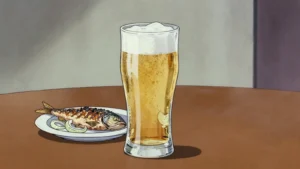
- Serve at 3–4 C in a chilled glass, straight from the bottle at a beach bar or a cricket ground.
Technique
- Wadadli is the flagship lager of the Antigua Brewery in St John’s, launched in the early 1990s and named with the Arawak name for Antigua. The commercial beer is made industrially; the process above is the honest homebrew route to the same style, a light pale lager of about 4.8–5% ABV.
- Temperature control is the whole difficulty. Without a fridge or a cool cellar you cannot make a true lager, only a pale ale, which is why the difficulty here is hard.
- Sanitation is the second half of the battle. Everything that touches the wort after the boil must be sanitised or the batch sours.
- Irish moss here is a kettle fining made from seaweed and keeps the beer suitable for vegetarians, unlike traditional swim-bladder finings.
Substitutions
- No lager yeast or cold space: use a clean ale yeast such as Nottingham at 18°C (65°F) for a Caribbean-style pale ale; the malt and hop bill still work.
- Substitute German Tettnang or Czech Sladek hops one for one if Hallertau is unavailable.
- For a lighter, more commercial body, replace 500 g of the pale malt with flaked maize, which is common in Caribbean lagers.
Variations
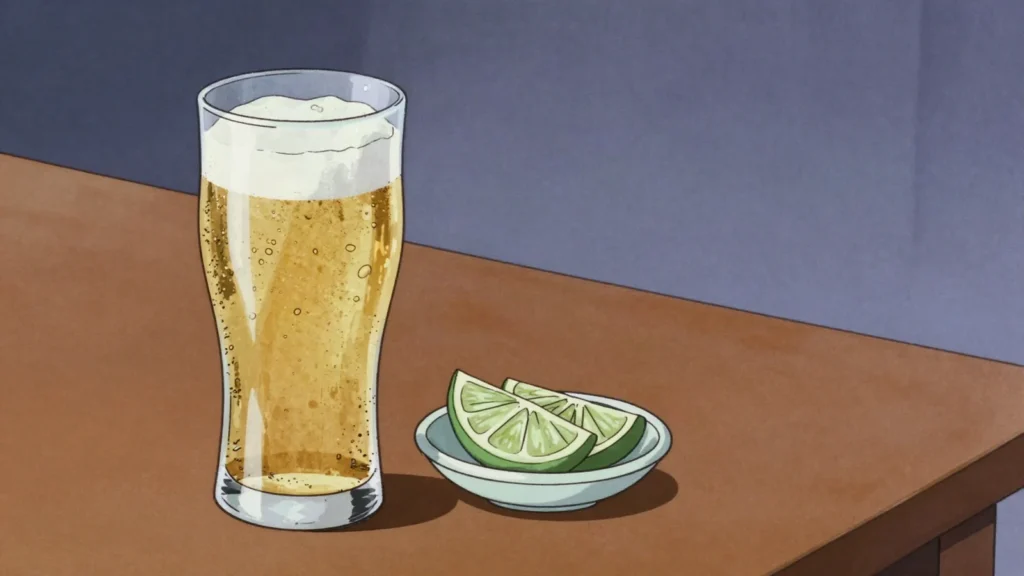
- Wadadli, the standard pale lager drunk very cold from the bottle with a lime wedge.
- The brewery’s darker and stronger seasonal releases, and Carnival-timed limited batches.
History
Brewed in Antigua since 1993 and named Wadadli, the Arawak name for the island, now the country’s leading beer.
Frequently asked questions
What is Wadadli?
Wadadli is a wine & spirit from Antigua and Barbuda: light lager drunk cold at beach bars and cricket matches. Brewed in Antigua since 1993 and named Wadadli, the Arawak name for the island, now the country’s leading beer.
How long does Wadadli take to make?
Wadadli takes 4 hr on brew day of preparation and 2 weeks fermenting plus 3 to 4 weeks cold lagering of cooking. The recipe makes 20 litres, about 40 bottles. It is rated hard to make.
What can I substitute in Wadadli?
Yes, within limits. No lager yeast or cold space: use a clean ale yeast such as Nottingham at 18°C (65°F) for a Caribbean-style pale ale; the malt and hop bill still work. Substitute German Tettnang or Czech Sladek hops one for one if Hallertau is unavailable. For a lighter, more commercial body, replace 500 g of the pale malt with flaked maize, which is common in Caribbean lagers.
What is the most important thing to get right in Wadadli?
Boil hard for 60 minutes, adding the 25 g hop charge at the start, and the 15 g charge plus the Irish moss with 15 minutes to go. Bitterness should land around 18–22 IBU, restrained rather than assertive.