
White freeze-dried potato, the pale sibling of chuño. Aymara and Quechua farmers use altiplano frost and running river water to strip potatoes of water and bitterness, leaving something chalk-white and light that keeps for years.
The process needs nights below freezing, strong daytime sun and weeks in a clean running stream, and the stream soak is what removes the glycoalkaloids from bitter potato varieties — it is a safety step, not a flavour one.
What goes into it
- small bitter potatoes
- night frost
- running water
How it is made
Potatoes are spread out to freeze solid on clear altiplano nights and thaw in the day sun, over several cycles, which ruptures the cells. They are then submerged in a running stream, weighted under stones, for several weeks, which washes out the glycoalkaloids that make bitter varieties inedible. Finally they are trodden to press out the water and bleached white in the sun.
How long it takes: around a month, from first frost to final drying
How it is eaten
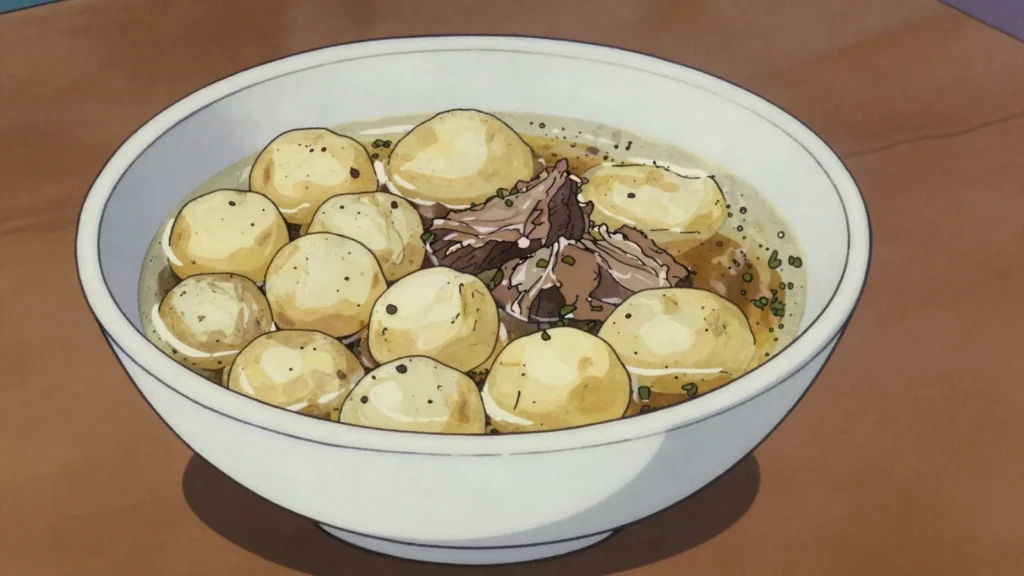
Soaked and boiled into soups and stews, or ground to flour for bread and cakes.
History
Aymara and Quechua farmers preserve potatoes with altiplano frost and river water; it keeps for years.
Frequently asked questions
What is Tunta?
Tunta is a fermented & pickled from Bolivia: white freeze-dried potato, soaked in water for weeks then sun-bleached. Aymara and Quechua farmers preserve potatoes with altiplano frost and river water; it keeps for years.
How is Tunta made?
Potatoes are spread out to freeze solid on clear altiplano nights and thaw in the day sun, over several cycles, which ruptures the cells. They are then submerged in a running stream, weighted under stones, for several weeks, which washes out the glycoalkaloids that make bitter varieties inedible. Finally they are trodden to press out the water and bleached white in the sun. It takes around a month, from first frost to final drying.
Can I make Tunta at home?
No, and the atlas gives no method for it. The process needs nights below freezing, strong daytime sun and weeks in a clean running stream, and the stream soak is what removes the glycoalkaloids from bitter potato varieties — it is a safety step, not a flavour one.
What goes into Tunta?
Small bitter potatoes, night frost, running water.
How is Tunta eaten?
Soaked and boiled into soups and stews, or ground to flour for bread and cakes.