
Bulgaria’s fruit brandy, distilled from plums, grapes or apricots, and the drink that opens a meal rather than closes it. Villages still run communal stills each autumn, and a household’s own bottle is offered to guests as a matter of course.
Distilling without a licence is a criminal offence across the EU and most of the world, and the cut that separates drinkable spirit from methanol-bearing heads is the step that goes wrong when people learn it by trial.
What goes into it
- ripe plums, grapes, apricots or quince
- nothing else
How it is made
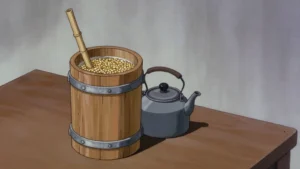
Crushed fruit ferments on its own sugars for two to four weeks in a covered barrel. The mash is then distilled in a copper pot still, usually twice, with the distiller discarding the first volatile fraction and the weak tail and keeping only the middle cut. Better rakia rests in wood or glass for a year or more before it is drunk.
How long it takes: weeks to ferment, then a year or more resting
How it is eaten
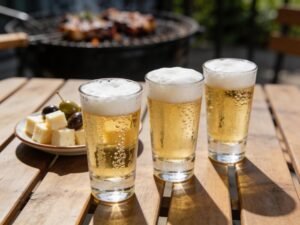
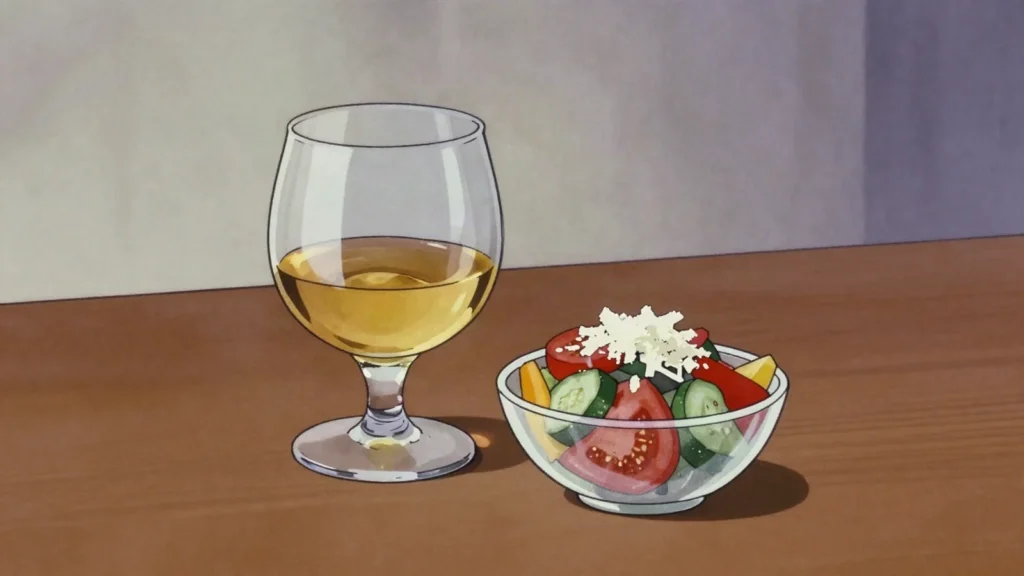
Chilled or at room temperature in small glasses with shopska salad and cold meze, before the meal.
History
Fruit brandy distilled from plums, grapes or apricots; Bulgarian villages still run communal stills each autumn.
Frequently asked questions
What is Rakia?
Rakia is a wine & spirit from Bulgaria: grape or plum brandy sipped with shopska salad. Fruit brandy distilled from plums, grapes or apricots; Bulgarian villages still run communal stills each autumn.
How is Rakia made?
Crushed fruit ferments on its own sugars for two to four weeks in a covered barrel. The mash is then distilled in a copper pot still, usually twice, with the distiller discarding the first volatile fraction and the weak tail and keeping only the middle cut. Better rakia rests in wood or glass for a year or more before it is drunk. It takes weeks to ferment, then a year or more resting.
Can I make Rakia at home?
No, and the atlas gives no method for it. Distilling without a licence is a criminal offence across the EU and most of the world, and the cut that separates drinkable spirit from methanol-bearing heads is the step that goes wrong when people learn it by trial.
What goes into Rakia?
Ripe plums, grapes, apricots or quince, nothing else.
How is Rakia eaten?
Chilled or at room temperature in small glasses with shopska salad and cold meze, before the meal.