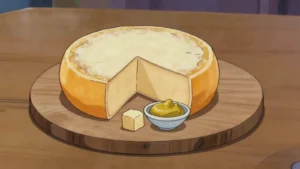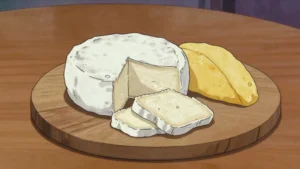

Cow’s-milk cheese from Njeguši, matured in olive oil or kept under skorup, and sold alongside the village’s famous cured ham. Njeguši sits in a high pass above Kotor where the sea and mountain air meet, which the villagers credit for both products.
It is a cheese ripened for weeks in a controlled store and then held months under oil in a sealed vessel — a low-oxygen store at ambient temperature that depends on the cheese being correctly acidified first.
What goes into it
- cow’s milk, sometimes with sheep’s milk
- rennet
- salt
- olive oil, for the matured version
How it is made
The milk is set with rennet, the curd cut, drained and pressed into small rounds, then salted. The rounds are ripened in a cool store for weeks, and the keeping version is then submerged in olive oil in a sealed vessel where it matures for months, growing sharper and denser.
How long it takes: weeks of ripening, then months under oil
How it is eaten
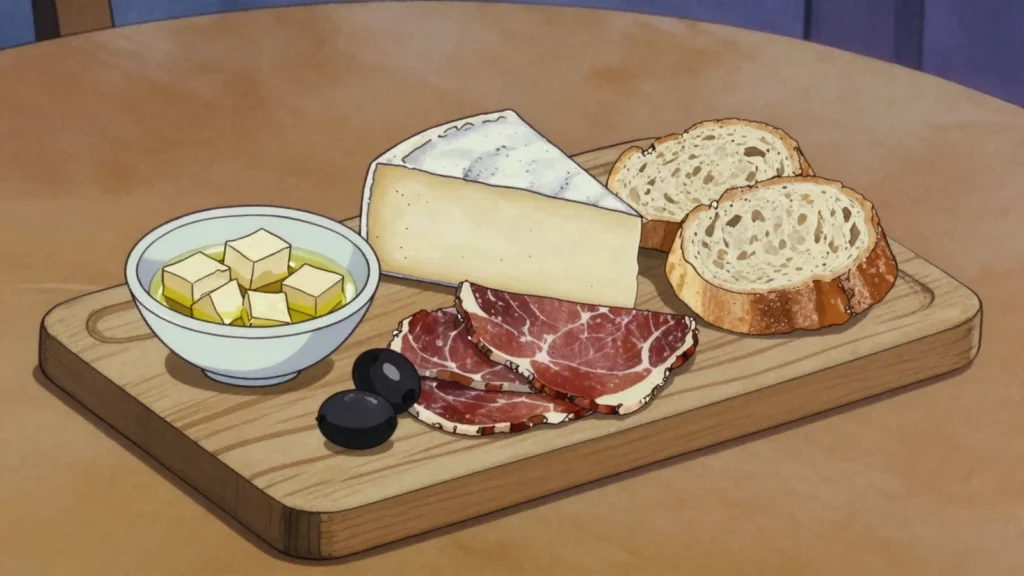
In wedges with Njeguški pršut, bread and olives.
History
Cow’s cheese from Njeguši matured in olive oil or kept under skorup, sold alongside the village’s cured ham.
Frequently asked questions
What is Njeguški sir?
Njeguški sir is a cheese & dairy from Montenegro: cow’s-milk cheese from Njeguši, sometimes kept in oil. Cow’s cheese from Njeguši matured in olive oil or kept under skorup, sold alongside the village’s cured ham.
How is Njeguški sir made?
The milk is set with rennet, the curd cut, drained and pressed into small rounds, then salted. The rounds are ripened in a cool store for weeks, and the keeping version is then submerged in olive oil in a sealed vessel where it matures for months, growing sharper and denser. It takes weeks of ripening, then months under oil.
Can I make Njeguški sir at home?
No, and the atlas gives no method for it. It is a cheese ripened for weeks in a controlled store and then held months under oil in a sealed vessel — a low-oxygen store at ambient temperature that depends on the cheese being correctly acidified first.
What goes into Njeguški sir?
Cow’s milk, sometimes with sheep’s milk, rennet, salt, olive oil, for the matured version.
How is Njeguški sir eaten?
In wedges with Njeguški pršut, bread and olives.