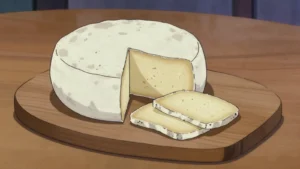

A smoky Basque sheep cheese from Latxa and Carranzana milk. Shepherds stored cheeses near the hearth in mountain huts, which smoked them by accident; the cheese gained DOP protection in 1987 and now the smoking is deliberate.
It is a DOP raw-milk cheese from two specific sheep breeds, ripened for months in a controlled cellar and cold-smoked in a chamber.
What goes into it
- raw milk from Latxa or Carranzana sheep
- rennet
- salt
- beech or hawthorn smoke, for the smoked version
How it is made
Raw milk is set with rennet, the curd cut fine and pressed into cylindrical moulds, then brined. The wheels ripen for at least two months in a cool cellar, and the smoked version is then cold-smoked over beech or hawthorn — which is what the hearth used to do to them on its own.
How long it takes: two months minimum, often six or more
How it is eaten
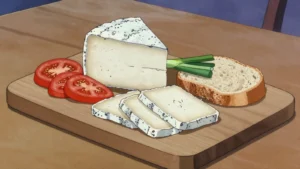
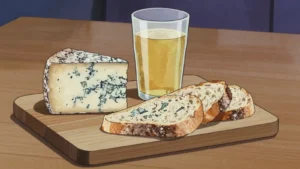
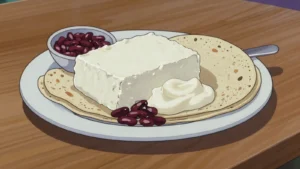
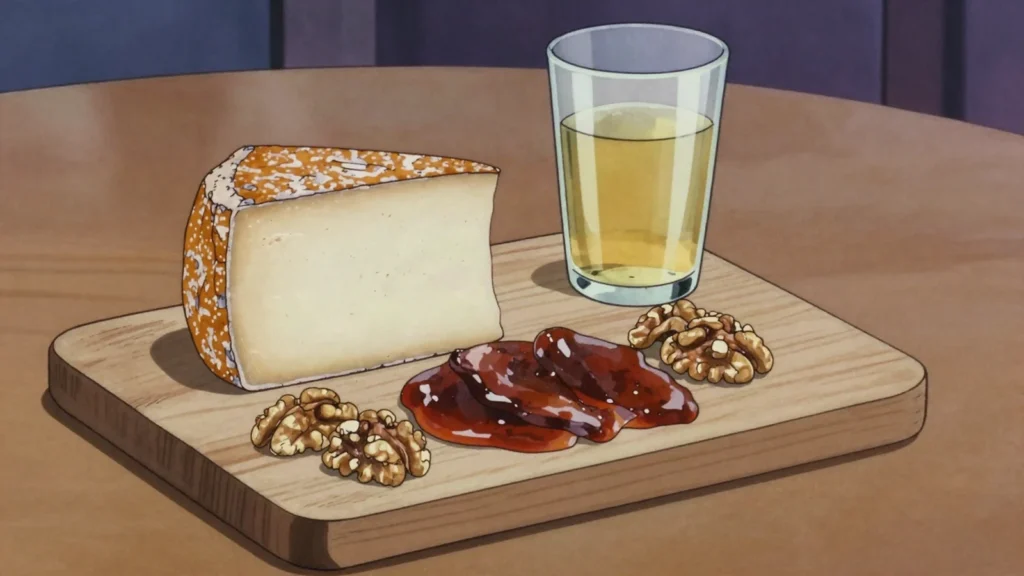
In wedges with quince, walnuts and cider, or shaved over beans.
History
Basque and Navarrese shepherds stored cheeses near hearths in mountain huts, which smoked them; the cheese gained DOP protection in 1987.
Frequently asked questions
What is Idiazabal?
Idiazabal is a cheese & dairy from Spain: smoky Basque sheep cheese from Latxa and Carranzana milk. Basque and Navarrese shepherds stored cheeses near hearths in mountain huts, which smoked them; the cheese gained DOP protection in 1987.
How is Idiazabal made?
Raw milk is set with rennet, the curd cut fine and pressed into cylindrical moulds, then brined. The wheels ripen for at least two months in a cool cellar, and the smoked version is then cold-smoked over beech or hawthorn — which is what the hearth used to do to them on its own. It takes two months minimum, often six or more.
Can I make Idiazabal at home?
No, and the atlas gives no method for it. It is a DOP raw-milk cheese from two specific sheep breeds, ripened for months in a controlled cellar and cold-smoked in a chamber.
What goes into Idiazabal?
Raw milk from Latxa or Carranzana sheep, rennet, salt, beech or hawthorn smoke, for the smoked version.
How is Idiazabal eaten?
In wedges with quince, walnuts and cider, or shaved over beans.