
Ingredients
Dough
- 400 gplain flour
- 150 gfreshly grated coconut
- or 100 g desiccated coconut, soaked
- 1 teaspoonsalt
- about 200 ml warm water
- 2 tablespoonsoil
To cook
- a little oil, for the griddle
- extra flour, for dusting
To serve
- mas huni, tuna and coconut salad
- sweet black tea
- chilli, sliced
Directions
- Soak it in warm water for twenty minutes. Squeeze it out before it goes in. Put the flour and salt in a large bowl. Add the grated coconut to the bowl. Rub the coconut through the flour with your fingers. Add the oil and rub it in as well. Adding the water takes judgement. Add the warm water in gradually.
- Mix it with your hand as you add it. Stop when it comes together into a dough. Add a spoonful more water if it crumbles. Add a little flour if it sticks to your hand. Turn it out onto a floured surface.
- Knead it for a good eight minutes. It should become smooth and elastic. Cover the dough with a damp cloth. Let it rest for at least thirty minutes. Divide the dough into equal balls. Aim for about the size of a golf ball. Roll each one smooth between your palms.
- Keep them covered as you work. Rolling them takes a light hand. Dust the surface lightly with flour. Roll each ball into a thin round. Aim for about eighteen centimetres across.
- Take it down to two or three millimetres. Turn it a quarter turn as you roll. That keeps it round and even all over. Work slowly and patch any tears. Cooking them is quick enough work. Heat a dry griddle or heavy pan. Get it properly hot before the first one.
- Lay one rolled round onto the griddle. Give it about one full minute. Turn it and give it another minute. Judging them takes a careful look. Take them off while they are still soft. Many cook them completely dry. Stack them as they come off the griddle. Wrap the stack in a clean cloth. That traps the steam and keeps them soft.
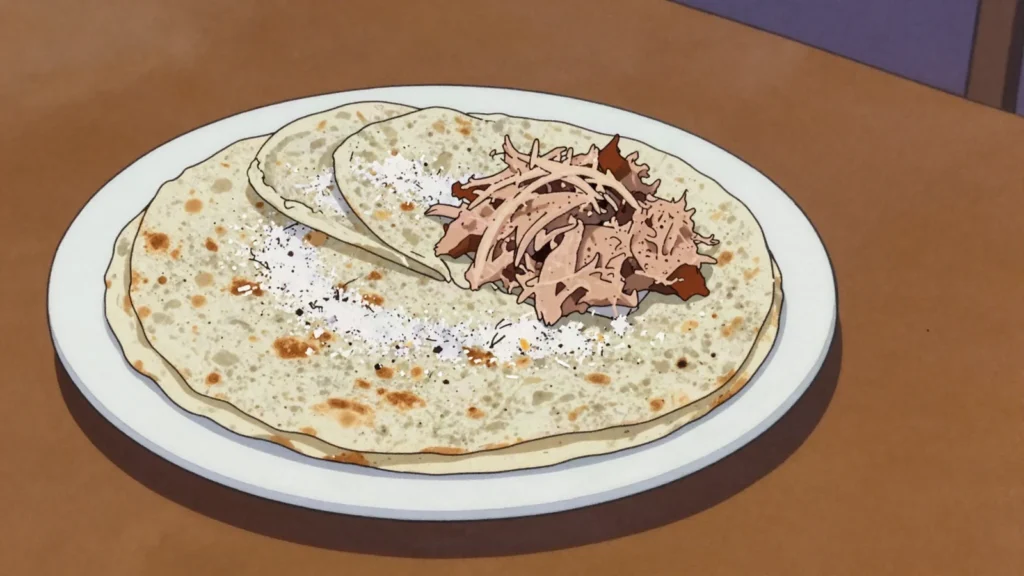
- Serve them with mas huni alongside. Tear off pieces to scoop it up. They keep a day wrapped in a cloth. Warm them briefly on a griddle to soften them.
Technique
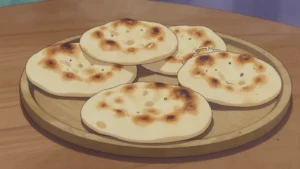
- Huni means coconut and roshi means flatbread, and the coconut is kneaded right through the dough rather than being a filling or topping, with its oil enriching the dough and its fibre giving a distinct slightly coarse texture.
- The classic Maldivian breakfast is mas huni with roshi and sweet black tea: shredded smoked or tinned tuna mixed with grated coconut, onion, chilli and lime, scooped up with the bread.
- The Maldives fishes skipjack tuna mostly by pole and line, a one fish at a time method with far less bycatch than net fishing.
Substitutions
- Desiccated coconut soaked in warm water and squeezed out stands in for fresh.
- Plain roshi without coconut is made the same way and is equally common.
Variations
- Some cooks brush the breads with oil and others cook them completely dry.
- Plain roshi is made without coconut for a lighter bread.
- Mas huni is the fixed partner, though curry is eaten with roshi too.
History
Eaten at Maldivian breakfast with mas huni tuna salad and sweet black tea.
Frequently asked questions
What is Huni Roshi?
Huni Roshi is a bread & pastry from Maldives: thin flatbread kneaded with grated coconut, cooked dry on a griddle. Eaten at Maldivian breakfast with mas huni tuna salad and sweet black tea.
How long does Huni Roshi take to make?
Huni Roshi takes 25 minutes plus resting of preparation and 20 minutes of cooking. The recipe makes about 10 flatbreads. It is rated easy to make.
What can I substitute in Huni Roshi?
Yes, within limits. Desiccated coconut soaked in warm water and squeezed out stands in for fresh. Plain roshi without coconut is made the same way and is equally common.
What is the most important thing to get right in Huni Roshi?
Huni means coconut and roshi means flatbread, and the coconut is kneaded right through the dough rather than being a filling or topping, with its oil enriching the dough and its fibre giving a distinct slightly coarse texture.