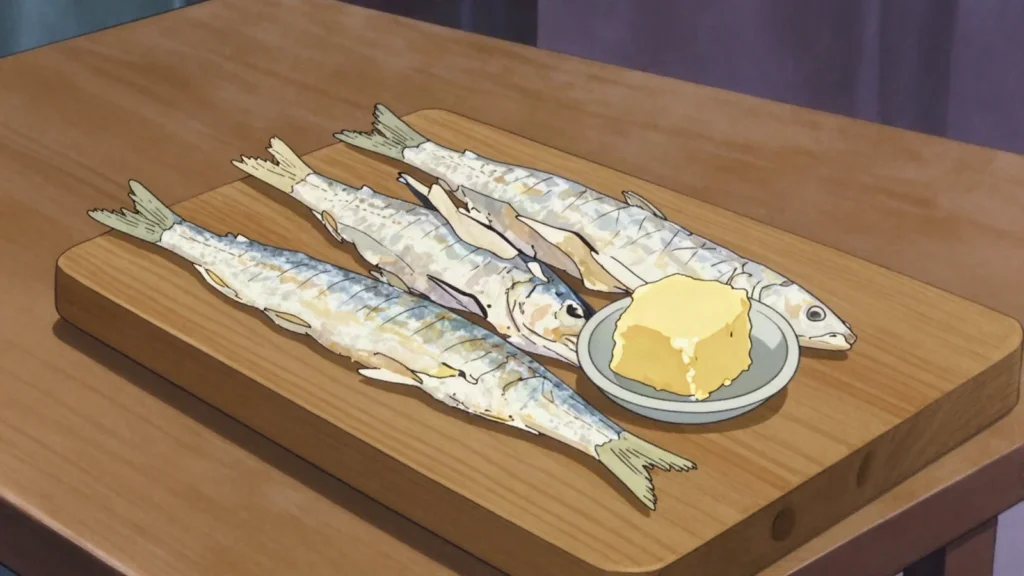

Wind-dried fish, torn into strips and slathered with butter. Dried cod and haddock was Iceland’s main export for centuries and served as a form of currency in the Middle Ages, valued by the fish rather than the coin.
The method depends on weeks of near-freezing dry wind — a climate, not a technique — and a warmer, damper place gives rotten fish rather than dried fish.
What goes into it
- cod, haddock or wolffish, split
- cold dry wind
How it is made
The fish is split, sometimes lightly salted, and hung on outdoor racks through the cold months. Iceland’s near-freezing, dry, constantly moving air removes water without ever letting the fish warm enough to spoil, and after several weeks it is hard, papery and light. Modern production does the same in temperature-controlled drying houses.
How long it takes: four to eight weeks on the racks
How it is eaten
Torn into strips and eaten with a thick smear of butter, as a snack.
History
Wind-dried cod and haddock was Iceland’s main export for centuries and was used as a form of currency in the Middle Ages.
Frequently asked questions
What is Harðfiskur?
Harðfiskur is a charcuterie & cured from Iceland: wind-dried fish jerky slathered with butter. Wind-dried cod and haddock was Iceland’s main export for centuries and was used as a form of currency in the Middle Ages.
How is Harðfiskur made?
The fish is split, sometimes lightly salted, and hung on outdoor racks through the cold months. Iceland’s near-freezing, dry, constantly moving air removes water without ever letting the fish warm enough to spoil, and after several weeks it is hard, papery and light. Modern production does the same in temperature-controlled drying houses. It takes four to eight weeks on the racks.
Can I make Harðfiskur at home?
No, and the atlas gives no method for it. The method depends on weeks of near-freezing dry wind — a climate, not a technique — and a warmer, damper place gives rotten fish rather than dried fish.
What goes into Harðfiskur?
Cod, haddock or wolffish, split, cold dry wind.
How is Harðfiskur eaten?
Torn into strips and eaten with a thick smear of butter, as a snack.