
The fattened liver of a duck or goose, served as a festive starter with brioche and chutney. Force-feeding waterfowl is shown in Egyptian tomb reliefs; Strasbourg pâté was popularised in 1780, and a 2006 French law names foie gras part of the country’s protected culinary heritage.
The liver is the product of gavage, which is what makes it fatty, and that is a farming practice rather than a kitchen one. It is banned outright in a number of countries, including the United Kingdom, India, Israel and much of the EU beyond the five producing states, and in California — so for many readers this is a page about something they cannot legally buy, let alone produce.
What goes into it
- a duck or goose fattened by gavage over two to three weeks
- salt
- white pepper
- sometimes Sauternes, Armagnac or port
How it is made
The bird is force-fed maize through a tube two or three times a day for the last two to three weeks of its life, which enlarges the liver several times over by inducing hepatic steatosis. The liver is removed after slaughter, deveined by hand, seasoned, and either set in a terrine at low heat or seared in slices. Everything that makes it foie gras happens on the farm; the kitchen stage is short and simple by comparison.
How long it takes: two to three weeks of gavage, then hours in the kitchen
How it is eaten
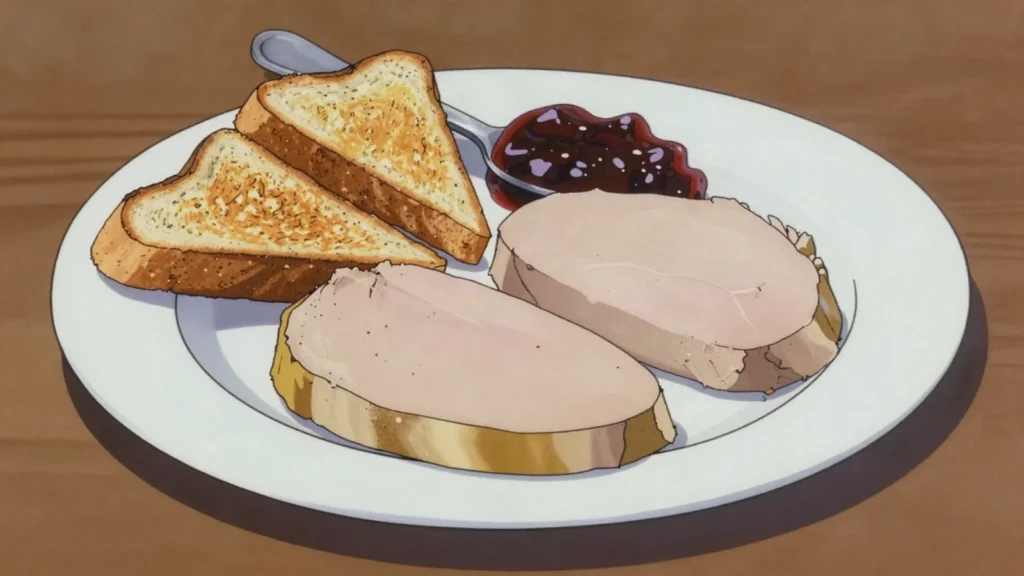
Sliced cold from a terrine with toasted brioche and a sweet chutney, or seared hot and served with fruit.
History
Fattened duck or goose liver, produced through gavage, a force-feeding technique used to enlarge the liver, documented as far back as ancient Egypt, where wall paintings show workers force-feeding geese, well over four thousand years ago, making foie gras production considerably older than its now-dominant association with French cuisine specifically. The technique spread through the ancient Mediterranean and was later preserved and developed further in France, particularly in the southwestern regions of Périgord and Alsace, which remain the country’s primary foie gras production centers today. The practice has become genuinely and increasingly controversial on animal welfare grounds in recent decades, leading several countries and some cities to restrict or ban gavage-based foie gras production, a live and unresolved point of debate around the dish.
Frequently asked questions
What is Foie gras?
Foie gras is a charcuterie & cured from France: rich fattened duck liver, festive starter with brioche and chutney. Fattened duck or goose liver, produced through gavage, a force-feeding technique used to enlarge the liver, documented as far back as ancient Egypt, where wall paintings show workers force-feeding geese, well over four thousand years ago, making foie gras production considerably older than its now-dominant association with French cuisine specifically. The technique spread through the ancient Mediterranean and was later preserved and developed further in France, particularly in the southwestern regions of Périgord and Alsace, which remain the country’s primary foie gras production centers today. The practice has become genuinely and increasingly controversial on animal welfare grounds in recent decades, leading several countries and some cities to restrict or ban gavage-based foie gras production, a live and unresolved point of debate around the dish.
How is Foie gras made?
The bird is force-fed maize through a tube two or three times a day for the last two to three weeks of its life, which enlarges the liver several times over by inducing hepatic steatosis. The liver is removed after slaughter, deveined by hand, seasoned, and either set in a terrine at low heat or seared in slices. Everything that makes it foie gras happens on the farm; the kitchen stage is short and simple by comparison. It takes two to three weeks of gavage, then hours in the kitchen.
Can I make Foie gras at home?
No, and the atlas gives no method for it. The liver is the product of gavage, which is what makes it fatty, and that is a farming practice rather than a kitchen one. It is banned outright in a number of countries, including the United Kingdom, India, Israel and much of the EU beyond the five producing states, and in California — so for many readers this is a page about something they cannot legally buy, let alone produce.
What goes into Foie gras?
A duck or goose fattened by gavage over two to three weeks, salt, white pepper, sometimes Sauternes, Armagnac or port.
How is Foie gras eaten?
Sliced cold from a terrine with toasted brioche and a sweet chutney, or seared hot and served with fruit.