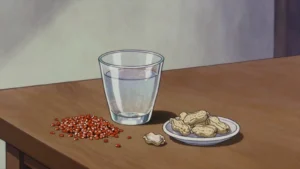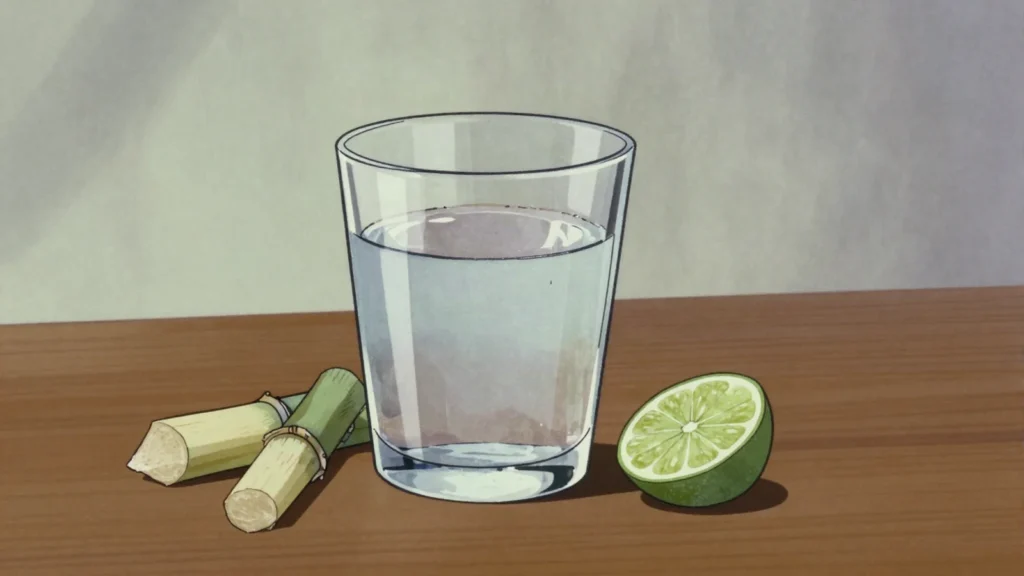

Raw, unaged Cuban cane spirit, harsh and cheap, drunk in the countryside. It was the first thing the sugar mills distilled, long the drink of cane cutters, and it is still the base of the canchánchara in Trinidad.
Distilling without a licence is a criminal offence, and an unaged single-distilled spirit depends entirely on the distiller’s cut to be drinkable.
What goes into it
- sugarcane juice or molasses
- yeast
- water
How it is made
Cane juice or molasses is fermented for a few days and then distilled, usually once and to a modest strength, and bottled without ageing. Everything that makes aged rum smooth — the barrel, the years, the blending — is deliberately absent.
How long it takes: days to ferment; no ageing at all
How it is eaten
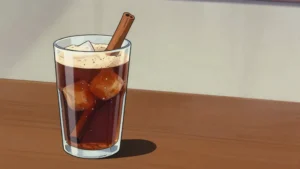
In a canchánchara with honey and lime, or neat in the countryside.
History
The first spirit distilled from Cuban sugar mills, long the drink of cane cutters and still the base of the canchanchara in Trinidad.
Frequently asked questions
What is Aguardiente de caña?
Aguardiente de caña is a wine & spirit from Cuba: raw unaged cane spirit, harsh and cheap, drunk in the countryside. The first spirit distilled from Cuban sugar mills, long the drink of cane cutters and still the base of the canchanchara in Trinidad.
How is Aguardiente de caña made?
Cane juice or molasses is fermented for a few days and then distilled, usually once and to a modest strength, and bottled without ageing. Everything that makes aged rum smooth — the barrel, the years, the blending — is deliberately absent. It takes days to ferment; no ageing at all.
Can I make Aguardiente de caña at home?
No, and the atlas gives no method for it. Distilling without a licence is a criminal offence, and an unaged single-distilled spirit depends entirely on the distiller’s cut to be drinkable.
What goes into Aguardiente de caña?
Sugarcane juice or molasses, yeast, water.
How is Aguardiente de caña eaten?
In a canchánchara with honey and lime, or neat in the countryside.