
Herzegovina’s native white grape and the wine made from it: dry, aromatic and firm, grown on white karst stone around Mostar and Čitluk where almost nothing else will take root. Austro-Hungarian administrators expanded its vineyards after 1878.
Wine is grown, not cooked: it depends on a vineyard, a harvest and licensed production, and there is no kitchen procedure to write down.
What goes into it
- Žilavka grapes
- vineyard yeasts or a cultured strain
How it is made
The grapes are picked in late summer, pressed, and the juice fermented cool in stainless steel or, for the older style, in wood. The stony ground reflects heat and drains hard, which keeps acidity up in a very hot region — that tension between ripeness and acid is what the wine is known for.
How long it takes: one vintage a year; drunk young or kept a few years
How it is eaten
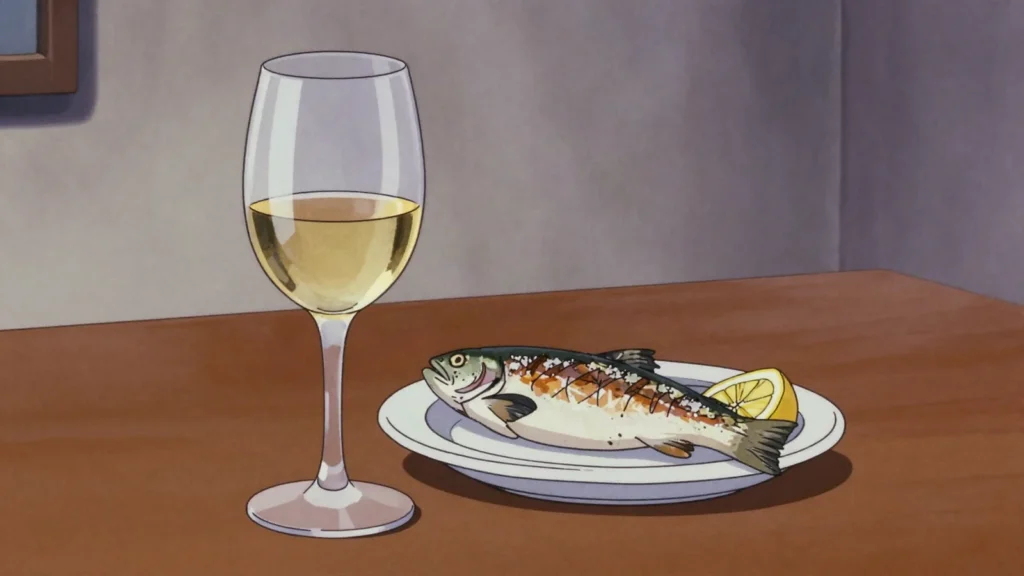
Cold, with Neretva river trout, grilled lamb and hard sheep’s cheese.
History
Herzegovina’s native white grape, grown on karst around Mostar and Čitluk; Austro-Hungarian administrators expanded its vineyards after 1878.
Frequently asked questions
What is Žilavka?
Žilavka is a wine & spirit from Bosnia and Herzegovina: aromatic Herzegovinian white grown on stony ground near Mostar. Herzegovina’s native white grape, grown on karst around Mostar and Čitluk; Austro-Hungarian administrators expanded its vineyards after 1878.
How is Žilavka made?
The grapes are picked in late summer, pressed, and the juice fermented cool in stainless steel or, for the older style, in wood. The stony ground reflects heat and drains hard, which keeps acidity up in a very hot region — that tension between ripeness and acid is what the wine is known for. It takes one vintage a year; drunk young or kept a few years.
Can I make Žilavka at home?
No, and the atlas gives no method for it. Wine is grown, not cooked: it depends on a vineyard, a harvest and licensed production, and there is no kitchen procedure to write down.
What goes into Žilavka?
Žilavka grapes, vineyard yeasts or a cultured strain.
How is Žilavka eaten?
Cold, with Neretva river trout, grilled lamb and hard sheep’s cheese.