
Ingredients
The dough
- 600 gplain white flour
- or bread flour
- 7 gsachet fast-action dried yeast
- 1 tablespoonsugar
- 1and a half teaspoons salt
- about 350 ml warm water
- 2 tablespoonsoil
- optional
Sometimes added
- 1 tablespoonmelted butter
- a beaten egg
- for a richer bread
- a handful of sweetcorn kernels
For steaming
- a large pot with a lid
- a metal steamer basket
- or a colander that fits
- or an empty tin, cleaned
- or a heatproof bowl
- a clean cloth
- oil, to grease
To serve
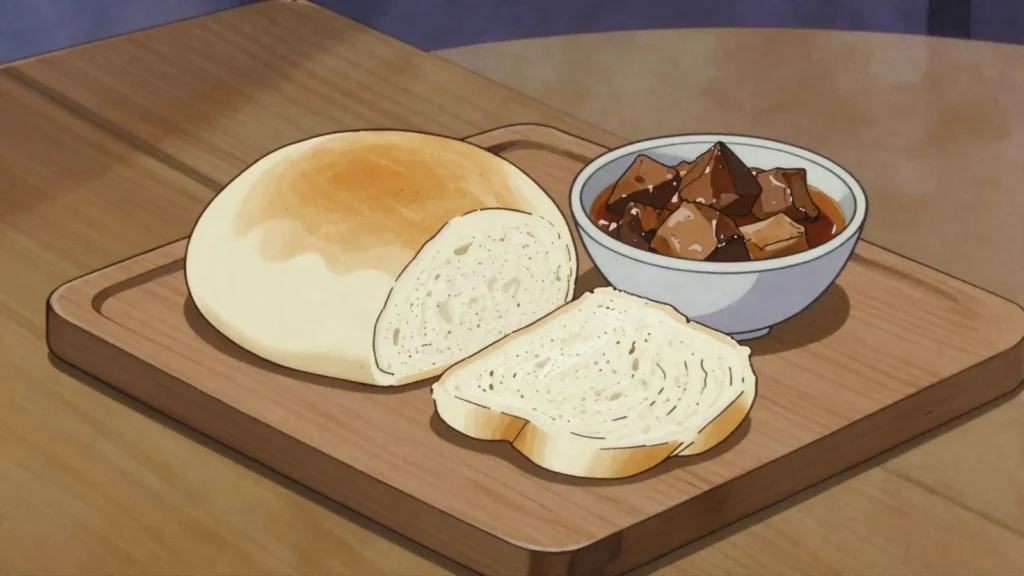
- a rich meat stew
- or beans and gravy
- or chakalaka
- cooked greens
Directions
- Put the flour in a large bowl. Add the sugar and the yeast to one side. Add the salt to the opposite side. Keep salt and yeast apart until mixing.
- Stir the dry ingredients together. Make a well in the centre of it. Pour in most of the warm water. Hold back about fifty millilitres. The water should be warm, never hot. Add the oil now if you are using it. Oil gives a softer, longer-keeping bread. Mix with your hand into a rough dough.
- Add the remaining water if it is dry. The dough should be soft and slightly sticky. Turn it out onto a floured surface. Knead it for about eight to ten minutes. It is ready when smooth and elastic. Shape the dough into a smooth ball. Put it in an oiled bowl and turn it over. Cover it with a damp cloth or film. Leave it somewhere warm for an hour. It should roughly double in size.
- Wash it thoroughly and check for sharp edges. Grease the inside generously with oil. Grease whatever you use thoroughly. Steamed dough sticks stubbornly otherwise. Shape it into a smooth round or log. Put it into the greased container. Fill it no more than halfway up. Cover the dough loosely for a second rise. Give it twenty to thirty minutes.
- Put a trivet or a folded cloth in the base. That keeps the container off the metal. Pour water into the pot around it. Fill it about a third up the container. The water must not reach the dough. Bring the water to a steady boil. Cover it with foil or a plate. That stops condensation dripping onto the bread. Lay a cloth under the lid if it is loose. Keep the cloth well away from any flame.
- Steam it for about forty-five minutes. Larger loaves need a full hour. Keep the water at a steady boil. Check the water level every fifteen minutes. Top up with boiling water, never cold. Cold water stops the steaming entirely. Set a timer to remind yourself. Steam scalds badly, so lift the lid carefully.
- Use a dry cloth, since a wet one conducts heat. It should come out clean and dry. Turn it onto a clean cloth or rack. It will be very hot, so use gloves. Let it cool for at least ten minutes. Cutting it too hot makes it gummy. Tear off a piece and dip it in gravy. It goes with beans in thick gravy. Wrap it well and freeze it whole. Steam it from frozen for twenty minutes.
Technique
- The bread is steamed because many South African kitchens have no oven, and a pot on a hob or a fire is what exists. That is a practical origin rather than a preference — and the result, a soft crustless bread that soaks up gravy, is exactly right for what it is eaten with.
- Grease the container thoroughly. Steamed dough sticks stubbornly, and an ungreased tin means losing half the loaf.
- Fill the container no more than halfway. The dough rises a great deal as it steams and an overfilled tin overflows.
- Cover the dough container with foil or a plate before the pot lid goes on. Condensation dripping from the lid makes the top of the loaf wet and dense.
- Check the water every fifteen minutes and top up with boiling water only. Cold water stops the steaming, and a pot boiling dry is a genuine fire risk — set a timer.
- Test with a skewer and give it longer if it comes out wet. Underbaked steamed bread is gluey inside and there is no fixing it.
- Let it cool at least ten minutes before cutting. Cut too hot, steamed bread goes gummy.
- It is torn by hand rather than sliced, and dipped. That is the whole way it is eaten.
- Ujeqe is the Zulu name and dombolo is used widely across South Africa. Some people distinguish them slightly and others use them interchangeably; the atlas records both.
Substitutions
- Bread flour replaces plain flour and gives a slightly chewier loaf.
- A cleaned tin, a heatproof bowl, a greased steamer basket or a tied cloth bag all work as the vessel.
- Melted butter or a beaten egg in the dough gives a richer, softer bread.
- Fresh yeast replaces the dried sachet; use about 20 g crumbled into the water.
- A handful of sweetcorn kernels worked into the dough is a common household addition.
- Water replaces oil for the plainest version, which is what many households make.
Variations
- Dombolo is the same bread under the name used most widely across South Africa.
- A version with sweetcorn kernels through the dough is common and slightly sweeter.
- Vetkoek is the fried South African dough relative, crisp outside and eaten with mince or jam.
- Steamed bread cooked in a cloth bag is the oldest form of the method.
- Chinese mantou and other steamed breads use the same technique in quite different traditions.
- Some cooks steam individual small rolls rather than one large loaf, which cook in half the time.
History
Also called dombolo, the dough is steamed rather than baked, a method suited to kitchens without ovens.
Frequently asked questions
What is Ujeqe?
Ujeqe is a bread & pastry from South Africa: soft steamed bread cooked in a pot, torn and dipped into stew. Also called dombolo, the dough is steamed rather than baked, a method suited to kitchens without ovens.
How long does Ujeqe take to make?
Ujeqe takes 20 minutes plus 1 hour rising of preparation and 45 minutes of cooking. The recipe makes serves 6. It is rated easy to make.
What can I substitute in Ujeqe?
Yes, within limits. Bread flour replaces plain flour and gives a slightly chewier loaf. A cleaned tin, a heatproof bowl, a greased steamer basket or a tied cloth bag all work as the vessel. Melted butter or a beaten egg in the dough gives a richer, softer bread. Fresh yeast replaces the dried sachet; use about 20 g crumbled into the water. A handful of sweetcorn kernels worked into the dough is a common household addition. Water replaces oil for the plainest version, which is what many households make.
What is the most important thing to get right in Ujeqe?
Stir the dry ingredients together. Make a well in the centre of it. Pour in most of the warm water. Hold back about fifty millilitres. The water should be warm, never hot. Add the oil now if you are using it. Oil gives a softer, longer-keeping bread. Mix with your hand into a rough dough.