
Ingredients
In the vineyard and cellar
- Cabernet Sauvignon grapes from Napa benchland and hillside sites: Rutherford, Oakville, Stags Leap District, Howell Mountain
- Small percentages of Merlot, Cabernet Franc, Petit Verdot and Malbec for blending, up to 15% while still labelled Cabernet Sauvignon
- Selected or ambient yeast for the ferment
- Sulphur dioxide, in small doses, as the antioxidant
- 225 litreFrench oak barriques, typically 40–100% new
To serve
- 1 bottleNapa Cabernet, at 16–18°C (60–65°F)
- Large bowled Bordeaux-shaped glasses
- A decanter, for anything under 10 years old
Directions
- Grapes are picked ripe, in Napa often at 24–26 Brix, usually at night to keep the fruit cool, in late September or October.
- The fruit is sorted, destemmed and often optically sorted berry by berry, then chilled and given a cold soak of 2–4 days to extract colour before fermentation begins.
- Fermentation runs in small stainless or concrete tanks at 26–30°C (80–85°F) for 7–14 days, with the cap of skins punched down or pumped over two or three times a day to extract tannin, colour and flavour.
- The wine is left on the skins for extended maceration, up to 30 days in total, softening the tannin structure, then pressed off, with the free run and press fractions kept separate.
- It goes through malolactic fermentation in barrel over the winter, converting sharp malic acid into softer lactic acid, which is part of Napa Cabernet’s plush mouthfeel.
- It matures 18–22 months in French oak, racked every three or four months, before the winemaker assembles the final blend by tasting individual barrels and vineyard lots.
- It is fined, sometimes filtered, and bottled at 14.5–15.5% abv, typically released three years after harvest. Good examples then hold for 15–25 years.
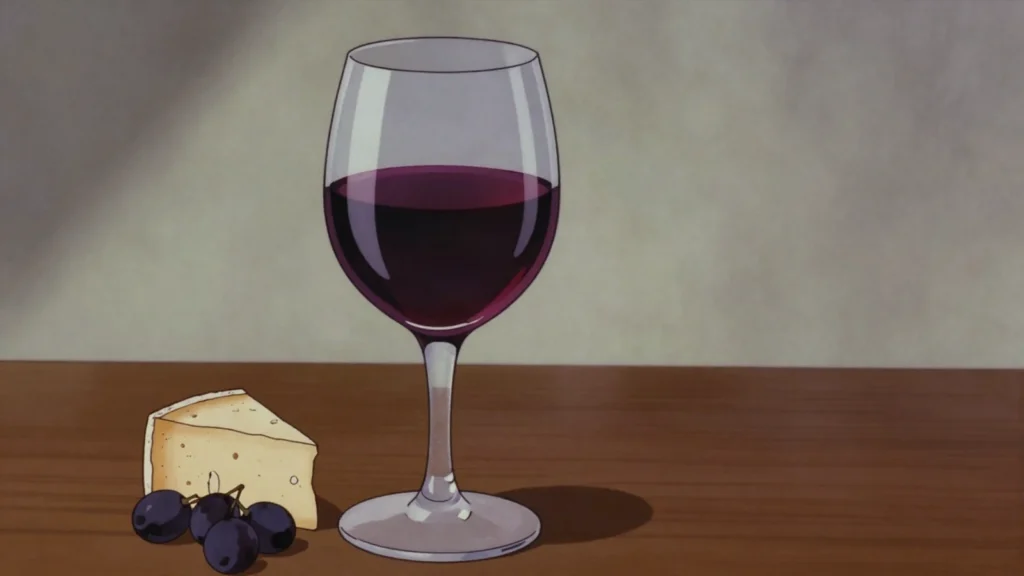
- To serve, decant a young bottle an hour ahead, pour at 16–18°C (60–65°F) into large glasses, and match it with grilled red meat, aged hard cheese or roast mushrooms. Expect blackcurrant, cedar, graphite, cocoa and sweet vanillin oak.
Technique
- Napa Cabernet is defined as much by climate as technique: warm days and fog-cooled nights give full ripeness with retained acidity, which is why the style is riper and softer than Bordeaux.
- The 1976 Judgment of Paris tasting, in which Stag’s Leap Wine Cellars beat first-growth Bordeaux blind, is the moment the region’s reputation was made.
- By US law a bottle labelled Napa Valley Cabernet Sauvignon must be at least 75% Cabernet and 85% Napa-grown fruit.
Substitutions
- Cannot find or afford Napa? Sonoma’s Alexander Valley Cabernet is the closest domestic style at a lower price.
- For a leaner, more savoury alternative, a classed-growth Bordeaux from the Left Bank gives the same grape with more restraint.
Variations
- Mountain Cabernet from Howell Mountain or Mount Veeder, tighter, more tannic and longer-lived.
- Stags Leap District Cabernet, silkier and more violet-scented.
- Cult single-vineyard bottlings made in tiny quantities and sold by mailing list.
History
At the 1976 Judgment of Paris tasting, a 1973 Stag’s Leap Wine Cellars Cabernet beat first-growth Bordeaux and made Napa a world wine region.
Frequently asked questions
What is Napa Valley Cabernet Sauvignon?
Napa Valley Cabernet Sauvignon is a wine & spirit from United States: dense, ripe red wine from California’s benchland vineyards, aged in oak. At the 1976 Judgment of Paris tasting, a 1973 Stag’s Leap Wine Cellars Cabernet beat first-growth Bordeaux and made Napa a world wine region.
How long does Napa Valley Cabernet Sauvignon take to make?
Napa Valley Cabernet Sauvignon takes 10 min of preparation and 12–24 months in oak, plus bottle age of cooking. The recipe makes describes a commercial wine; 1 bottle serves 4–6. It is rated hard to make.
What can I substitute in Napa Valley Cabernet Sauvignon?
Yes, within limits. Cannot find or afford Napa? Sonoma’s Alexander Valley Cabernet is the closest domestic style at a lower price. For a leaner, more savoury alternative, a classed-growth Bordeaux from the Left Bank gives the same grape with more restraint.
What is the most important thing to get right in Napa Valley Cabernet Sauvignon?
Napa Cabernet is defined as much by climate as technique: warm days and fog-cooled nights give full ripeness with retained acidity, which is why the style is riper and softer than Bordeaux.