
Ingredients
Cheese
- 6 litreswhole milk
- ¼ tspcalcium chloride in 2 tbsp water, if using shop milk
- ½ tspliquid rennet in 50 ml cool water
- 2 litreshot water at 75°C (167°F), for stretching
- 2 tspsalt
To serve
- casabe
- or hot chocolate
Directions
- Warm the milk to 32°C (90°F), stir in the calcium chloride if using shop milk, then stir in the rennet and leave undisturbed for 45 minutes until it gives a clean break.
- Cut the curd into 2 cm cubes, rest 10 minutes, then stir gently for 20 minutes while holding the temperature.
- Drain off the whey and leave the curd in a warm place to acidify. This is the part that decides everything: the curd must reach a pH of about 5.2 before it will stretch. Test a small piece every 20 minutes by dropping it into water at 75°C (167°F) — when it pulls into a smooth elastic rope instead of tearing, it is ready. This usually takes two to four hours.
- Cut the ripened curd into slices and put them in a bowl. Pour over the hot water and work the curd with a wooden spoon until it comes together into a single glossy mass.
- Lift it out, stretch it into a long ribbon and fold it back on itself, then stretch again. Repeat five or six times, salting as you go, which builds the layers the cheese is named for.
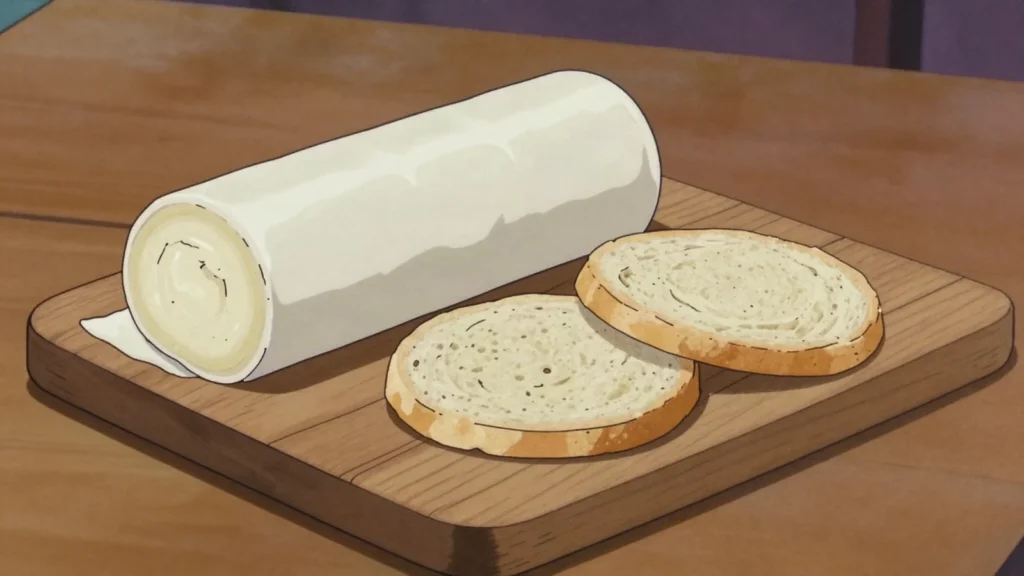
- Fold the ribbon into a flat pad and press lightly. When it is cool the layers should peel apart like leaves.
- Eat within two days, torn into sheets with casabe, or dropped into hot chocolate.
Technique
- The stretch test is the whole recipe. Too early and the curd shreds; too late and it dissolves into the hot water. Test often and be patient.
- Work with rubber gloves — the water is at 75°C (167°F) and the curd holds the heat.
- Salt as you stretch, not before. Salt added to unripened curd stops it stretching at all.
Substitutions
- Vegetarian microbial rennet, which works well here.
- A pH meter or strips, which take all the guesswork out of the ripening stage.
Variations
- The same curd shaped into a ball rather than folded is queso de freír, which fries without melting.
- Some makers layer the ribbon with more salt for a firmer, saltier cheese.
History
Made in the Cibao valley around Bonao, where the curd is stretched and folded into layers, giving it its name, cheese of leaves.
Frequently asked questions
What is Queso de hoja?
Queso de hoja is a cheese & dairy from Dominican Republic: fresh white cheese that peels apart in soft leaves, eaten with casabe. Made in the Cibao valley around Bonao, where the curd is stretched and folded into layers, giving it its name, cheese of leaves.
How long does Queso de hoja take to make?
Queso de hoja takes 45 min of preparation and 30 min of cooking. The recipe makes makes about 600 g. It is rated hard to make.
What can I substitute in Queso de hoja?
Yes, within limits. Vegetarian microbial rennet, which works well here. A pH meter or strips, which take all the guesswork out of the ripening stage.
What is the most important thing to get right in Queso de hoja?
Drain off the whey and leave the curd in a warm place to acidify. This is the part that decides everything: the curd must reach a pH of about 5.2 before it will stretch. Test a small piece every 20 minutes by dropping it into water at 75°C (167°F) — when it pulls into a smooth elastic rope instead of tearing, it is ready. This usually takes two to four hours.