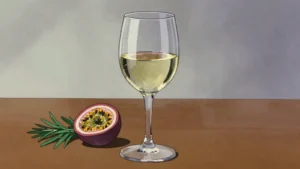
Young, unfiltered, cloudy Chilean wine made from País, the criolla grape Spanish missionaries planted in the 1500s. It is sold by the jug rather than the bottle and is the wine base of the terremoto.
It is a wine from a vineyard and a harvest, made under licence; there is no kitchen procedure behind it.
What goes into it
- País grapes
- vineyard yeasts
- traditionally a rauli-wood vat
How it is made
The grapes are picked, crushed and fermented in wood or concrete with the vineyard’s own yeasts, then run off and sold within months, unfiltered and unfined. It is deliberately not made to last — the point is a fresh, slightly cloudy wine drunk in the year it was made.
How long it takes: one vintage, drunk within the year
How it is eaten
From a jug at a fonda in September, or poured over pineapple ice cream as a terremoto.
History
Made from Pais, the criolla grape planted by Spanish missionaries in the 1500s; it is the wine base of the terremoto.
Frequently asked questions
What is Pipeño?
Pipeño is a wine & spirit from Chile: young unfiltered wine from Pais grapes, sold by the jug. Made from Pais, the criolla grape planted by Spanish missionaries in the 1500s; it is the wine base of the terremoto.
How is Pipeño made?
The grapes are picked, crushed and fermented in wood or concrete with the vineyard’s own yeasts, then run off and sold within months, unfiltered and unfined. It is deliberately not made to last — the point is a fresh, slightly cloudy wine drunk in the year it was made. It takes one vintage, drunk within the year.
Can I make Pipeño at home?
No, and the atlas gives no method for it. It is a wine from a vineyard and a harvest, made under licence; there is no kitchen procedure behind it.
What goes into Pipeño?
País grapes, vineyard yeasts, traditionally a rauli-wood vat.
How is Pipeño eaten?
From a jug at a fonda in September, or poured over pineapple ice cream as a terremoto.