
Ingredients
The seeds
- 1 kgnéré seeds
- African locust bean
- Parkia biglobosa
- plenty of water, for boiling
To ferment
- clean leaves or cloth
- a covered basket
- a warm place
To finish
- salt, optional
- a warm dry place, for drying
To use, per pot
- 1to 2 tablespoons
- crumbled and fried into a base
Directions
- Discard it entirely if it does. Keep it rather than discarding it. Put the seeds in a large pot of water. Boil them for several full hours. It takes hours of boiling to soften. Squeeze a seed between your fingers. The coat should rub away easily.
- Boil them longer if the coat holds on. Rub the boiled seeds between your hands. Wash the seeds in several changes of water. Repeat it until the water runs clear.
- Boil the cleaned seeds briefly again. Give them about thirty minutes. Drain them thoroughly afterwards. Wrap the warm seeds in clean leaves. The seeds need warmth and some air.
- Leave the wrapped seeds somewhere warm. It should smell strongly savoury and sour. Discard it entirely if it does. Pound the fermented seeds in a mortar.
- Pound it until fairly smooth for lumps. Work a little salt through the paste. Salt helps the lumps keep longer. Some makers add it and some do not. Press the paste into hard round lumps. Press them very firmly to drive out air. Press them as hard as you can. Set the lumps somewhere warm and dry.
- Let them dry for several days. Turn them so all sides dry evenly. They must go hard right through. Keep them somewhere dry and airy. They keep for months that way. Break a piece off the hard lump. Crumble it into a hot oiled pot.
- Fry it for about two full minutes. It should dissolve into the base. Start with less if it is new to you. Serving it alone is not done at all. Wrap them up well against the damp.
Technique
- The atlas also carries netetou from the Gambia, which is the same seasoning under another spelling — as are dawadawa in Ghana and Nigeria and soumbala in Mali and Burkina Faso. The differences are orthographic rather than real. The atlas lists dishes by country, so the same product appears under two names, and saying so is more honest than merging them silently.
- Fermentation breaks the seed proteins down and produces the deep savoury flavour, the same principle as soy sauce. The raw smell is extremely strong and reads as slightly rotten to the unfamiliar, which is normal; frying it into a base is what transforms it, so it is never added straight.
- A good ferment smells sour and pungent rather than putrid, and coloured mould means discarding it entirely — trust your nose over any timing. Press the paste into lumps very firmly, since air pockets let mould grow inside, and dry them until genuinely hard right through, since a soft centre will spoil later.
Substitutions
- Netetou, dawadawa and soumbala are the same fermented locust bean under other names.
- Most people buy it in hard black lumps at market rather than making it; the atlas gives the process for interest.
Variations
- Guinea-Bissau sits between Senegal and Guinea and shares this seasoning with both; it is regional rather than national.
- Ferment it wrapped in leaves or a covered basket rather than a sealed jar, since it needs warmth and some air.
- The sweet floury pulp around the seeds in the pod is eaten as a separate food rather than being part of the seasoning.
History
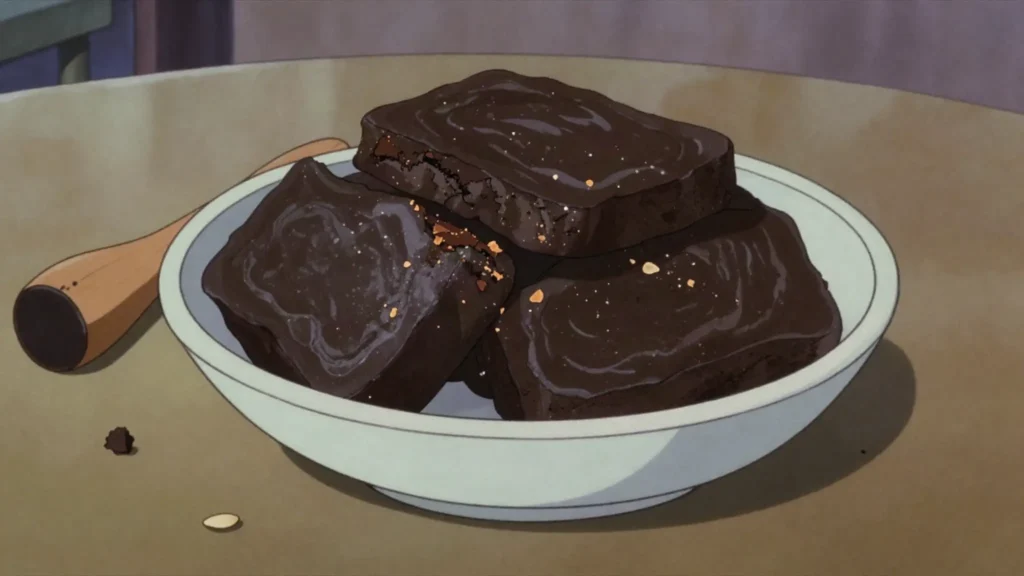
Shared with Senegal and Guinea, the fermented nere seed is the region’s oldest seasoning and is sold in hard black lumps at markets.
Frequently asked questions
What is Netetu?
Netetu is a sauce & condiment from Guinea-Bissau: fermented locust-bean seeds pounded into stews for pungent depth. Shared with Senegal and Guinea, the fermented nere seed is the region’s oldest seasoning and is sold in hard black lumps at markets.
How long does Netetu take to make?
Netetu takes 1 hour plus fermenting of preparation and 3 hours of cooking. The recipe makes about 500 g. It is rated hard to make.
What can I substitute in Netetu?
Yes, within limits. Netetou, dawadawa and soumbala are the same fermented locust bean under other names. Most people buy it in hard black lumps at market rather than making it; the atlas gives the process for interest.
What is the most important thing to get right in Netetu?
Discard it entirely if it does. Keep it rather than discarding it. Put the seeds in a large pot of water. Boil them for several full hours. It takes hours of boiling to soften. Squeeze a seed between your fingers. The coat should rub away easily.