Parmigiano Reggiano — the hard, granular, umami-dense cow’s milk cheese aged for years in Emilia — and its grating cousins Grana Padano and the sheep’s milk pecorinos: the seasoning cheeses that finish pasta, risotto and soup across Italy and far beyond.
Where it comes from
Parmigiano Reggiano has been made in the same way in the same corner of Italy — Parma, Reggio Emilia, Modena, parts of Bologna and Mantua — for at least eight hundred years, from raw milk, with calf rennet and salt and nothing else, in wheels of forty kilos aged a minimum of twelve months and usually two or three years. Its long ageing breaks its proteins into free amino acids, which is why it tastes so intensely savoury and why a little goes so far. The name is protected, and only cheese made there under those rules may bear it; ‘Parmesan’ outside Europe often means something else.
Grana Padano is its slightly younger, milder cousin from the Po valley, made under looser rules and cheaper; the two are used the same way. Pecorino Romano is the sheep’s milk hard cheese of Lazio and Sardinia — saltier, sharper, more pungent — and the correct cheese for carbonara, cacio e pepe and amatriciana. Spain’s Manchego and Zamorano, the Swiss Sbrinz and the aged Goudas of the Netherlands play the same role in their own kitchens.
Varieties
- Parmigiano Reggiano (12–18 months) — Young: milky, mild, still slightly soft. For eating in chunks and melting.
- Parmigiano Reggiano (24–36 months) — Aged: granular, crystalline, deeply savoury with pineapple and brown butter notes. For grating.
- Grana Padano — Milder, less complex, cheaper; a good everyday grating cheese.
- Pecorino Romano — Sheep’s milk, salty and sharp. The cheese of Rome’s pastas.
- Pecorino Sardo and Toscano — Sardinian and Tuscan sheep’s cheeses, from mild and young to aged and grating.
- Parmesan rind — The hard outer rind, kept and simmered in soups and stocks for flavour, then discarded.
In the kitchen
Grate it fresh, finely, at the moment of use — a microplane gives a snow that melts instantly into hot pasta; a box grater gives shreds that hold their texture. Stir into risotto off the heat with butter (the mantecatura); toss with hot pasta and a little of its water to make a sauce; shave in curls over a salad or carpaccio. Never let it boil in a sauce, which turns it stringy and grainy.
Pecorino, not Parmesan, is right for the Roman pastas; the two can be mixed to soften pecorino’s edge. The rind is an ingredient: dropped into a minestrone, a bean soup or a stock it gives up savouriness for an hour and is fished out. Chunks of young Parmigiano with balsamic, pears or honey are a course in themselves.
Choosing and keeping
Buy a wedge, never pre-grated, which dries out and is often bulked with anti-caking agents; a true wedge shows the pin-dotted rind with PARMIGIANO REGGIANO stamped in it. Wrap in waxed paper or a cheese bag, then loosely in plastic, in the fridge; it keeps for months and only gets harder.
Grate as needed and keep the rinds in a bag in the freezer for soup. Pecorino Romano is sold in the same way; check the label for sheep’s milk (latte di pecora).
Dishes with parmesan
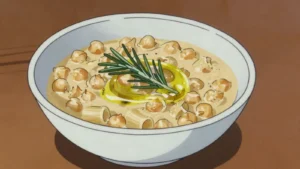 Pasta e ceciThick chickpea soup with short pasta, rosemary and olive oil.
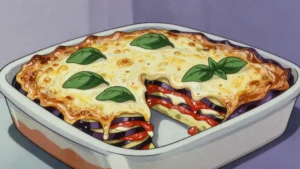 Parmigiana di melanzanefried aubergine baked with tomato, mozzarella, basil
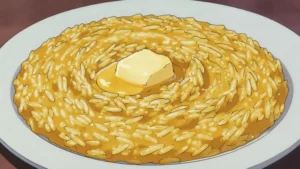 Risotto alla milanesesaffron-gilded risotto, classic beside ossobuco
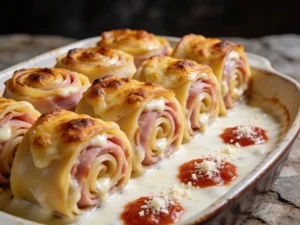 Nidi di rondinebaked 'swallow's nest' pasta rolls with ham, cheese
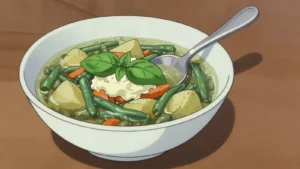 Soupe au pistousummer vegetable and bean soup finished with basil and garlic
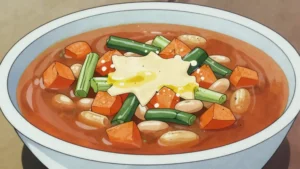 Minestronevegetable and bean soup with pasta or rice
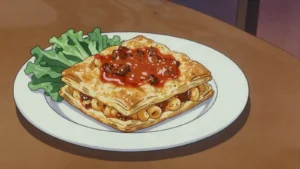 Timpanabaked macaroni and meat pie encased in pastry
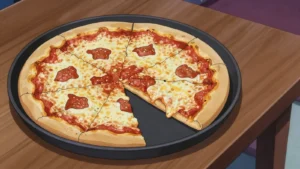 Chicago deep-dish pizzaTall buttery crust layered with cheese and chunky tomato
Parmesan and the hard grating cheeses is tagged on 33 dishes from 10 countries in the atlas. These notes are written from general knowledge and carry no per-fact citation — see About.