The round, brown-skinned nut of a European and Turkish shrub — sweet, toasty, the natural partner of chocolate — the nut of praline, gianduja, Frangelico and the Piedmontese and Turkish confectionery that made it famous.
Where it comes from
Hazels grow wild across Europe and western Asia and their nuts were gathered from the Mesolithic on; the cultivated hazelnut, or filbert, is a Mediterranean and Black Sea crop, and Turkey’s Black Sea coast grows about three quarters of the world’s supply, almost all of it destined for chocolate and spreads. Italy’s Piedmont grows the prized Tonda Gentile, the nut of gianduja — the hazelnut-chocolate paste invented in Turin when Napoleon’s blockade made cocoa scarce — and of Nutella, its industrial descendant. Oregon grows most of America’s.
Roasting is what makes the hazelnut: raw it is mild and slightly grassy; roasted, the skins slip off and the flavour turns deep and sweet, and it is this roasted nut that goes with chocolate, coffee and caramel. It is the praline nut of French pâtisserie, the base of the Piedmontese torta di nocciole and the Spanish romesco (with almonds), and, pressed, one of the finest of nut oils for salads. Turkey eats it whole, roasted, by the handful.
Varieties
- Tonda Gentile delle Langhe (Piedmont) — Round, small, intensely flavoured, easy to skin; the finest hazelnut, protected by name. For gianduja and pastry.
- Turkish (Giresun, Levant) — The world’s supply: round, good flavour, mostly processed into paste and chocolate.
- Barcelona and Ennis (Oregon) — Large American varieties; good for eating and roasting.
- Kentish cob and filbert — The long, cultivated English nuts, sold fresh in autumn in their husks; sweet and milky.
- Hazelnut paste and praline — Roasted nut ground to a paste, or with caramelised sugar; for gelato, chocolate and pastry.
In the kitchen
Roast at 180°C for ten to fifteen minutes until the skins crack and the nuts smell toasty, then rub them in a tea towel to remove most of the skins. This step is not optional for anything sweet. Chop for scattering; grind for a torta or a frangipane; cook with sugar to a caramel and grind for praline paste.
With chocolate above all — in gianduja, in a Sachertorte’s cousin, in a spread; with coffee; with pears and apples; with brown butter in a financier; with roasted peppers, garlic and bread in romesco. Hazelnut oil is for dressings and drizzling, never heated.
Choosing and keeping
In the shell they keep a year somewhere cool; shelled, a few months in a sealed jar or longer in the fridge or freezer. Kernels should be plump and pale under the skin — shrivelled or dark ones are old and rancid.
Fresh cobnuts in autumn are a different pleasure — milky and crisp — and should be eaten within a week or two. Skinned, roasted hazelnuts save time and are worth buying for baking.
Dishes with hazelnut
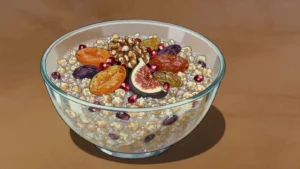 Asurepudding of grains, pulses, dried fruit and nuts, shared with neighbours
 LebkuchenSpiced honey gingerbread from Nuremberg's Christmas markets.
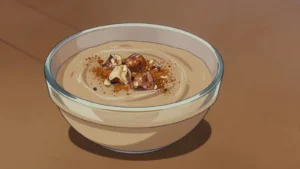 Bouzathick sorghum or hazelnut cream pudding topped with crushed nuts
 Belilawhole wheat berries simmered in sweetened milk with nuts and cinnamon
 Torta TitanoLayered wafer cake with chocolate and hazelnut cream, named for Mount Titano.
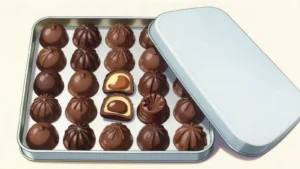 Belgian pralinesFilled chocolates invented in Brussels; ganache and nougat centres.
 Civet de senglarwild boar stewed slowly in red wine
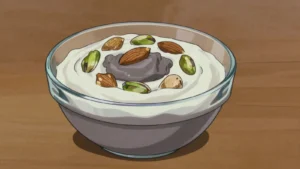 Assidat zgougouAleppo-pine cream pudding layered with custard and nuts for Mouled
Hazelnut is tagged on 25 dishes from 20 countries in the atlas. These notes are written from general knowledge and carry no per-fact citation — see About.