Small, hard, yellow-brown seeds with a bitter, maple-and-celery taste that mellows when fried — a foundation spice of Indian, Ethiopian and Persian cooking — and, as a leaf, a herb in its own right.
Where it comes from
Fenugreek is a legume of the eastern Mediterranean and western Asia and one of the oldest cultivated plants; its seeds were found in Tutankhamun’s tomb, and its Latin name, ‘Greek hay’, comes from its use as fodder. The seed’s distinctive smell comes from sotolon, the same compound that flavours maple syrup, and fenugreek is what gives commercial curry powder much of its ‘curry’ smell.
Indian cooking uses the seed whole, in tempering oil and pickles, and ground in spice mixes; Ethiopian berbere and Persian ghormeh sabzi depend on it. The fresh leaf, methi, is a herb with a milder version of the same flavour, cooked with potatoes, spinach or chicken in northern India; dried methi leaves, kasuri methi, are crumbled over butter chicken and dals as a finishing herb, and are the scent many people take for ‘restaurant curry’.
Varieties
- Fenugreek seed (methi dana) — Hard, angular, ochre seeds. Bitter raw; fried until reddish-brown they turn nutty. In pickles, tempering, panch phoron and sambar powder.
- Fresh methi leaf — A clover-like green herb with the seed’s flavour softened. Cooked as a vegetable in North India.
- Kasuri methi — Dried fenugreek leaves, crumbled over a dish at the end. Strongly aromatic; the smell of many Punjabi restaurant dishes.
- Fenugreek in berbere — Ground into the Ethiopian chilli blend and into the spiced butter niter kibbeh.
In the kitchen
Fry the seeds in hot oil for a few seconds until they darken to red-brown — no further, or they turn acrid — and build the dish on that oil. Ground into a mix they should be a minor part; a little too much and everything tastes bitter. Soaking the seeds overnight softens them and reduces bitterness for pickles and for the Yemeni hilbeh paste.
Kasuri methi is used like a finishing herb: rubbed between the palms and scattered into a sauce in the last minute or two. Fresh methi is cooked like spinach but for longer, since it is bitter raw.
Choosing and keeping
Seeds keep for years sealed and dark. Kasuri methi should be green-grey and strongly scented; it fades within a year. Fresh methi is sold in bunches in Indian shops and keeps a few days in the fridge.
A note for the unwary: eating a good deal of fenugreek makes sweat and urine smell of maple syrup for a day. It is harmless and well known.
Dishes with fenugreek
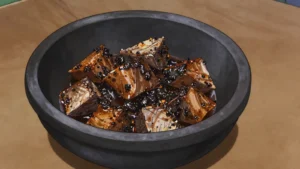 Fish Ambul ThiyalSour dry tuna curry preserved with goraka fruit
 Ghormeh sabzideep-green herb stew with lamb, kidney beans and dried limes
 Zignilong-simmered beef stew fiery with berbere, ladled over injera
 HoppersBowl-shaped fermented rice-coconut pancakes, often with an egg inside
 Bsisaroasted barley-legume flour mixed with olive oil and dates
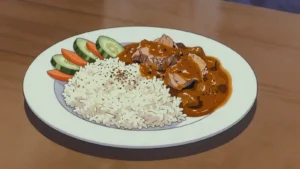 Nasi DagangRice steamed in coconut milk with fenugreek, served with tuna curry at dawn
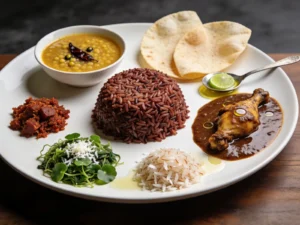 Rice and CurryDaily spread of rice with several vegetable, fish or meat curries
 Shurbacracked wheat or oat soup with lamb, drunk at sunset in Ramadan
Fenugreek is tagged on 75 dishes from 27 countries in the atlas. These notes are written from general knowledge and carry no per-fact citation — see About.