The fresh green leaf of the coriander plant — cilantro in the Americas, dhania in India — with a bright, citrusy, faintly soapy taste that half the world scatters over almost everything and a minority of people genetically cannot stand.
Where it comes from
Coriander is one of the oldest cultivated herbs, native to a band from the eastern Mediterranean to south-west Asia, and its seeds were found in Egyptian tombs. The leaf and the seed are the same plant at different stages and taste nothing alike: the leaf is fresh and green, the seed warm and orange-peel-sweet. Most of Europe historically used the seed and let the leaf go; India, Mexico, Southeast Asia, the Middle East, China and Portugal made the leaf central.
A well-known aversion to the leaf — it tastes of soap to some people — is partly genetic, tied to a receptor for the aldehydes that give coriander its scent. It is common enough that cooks in mixed company usually serve it on the side. The root is used too, pounded into Thai curry pastes, where it carries the flavour of the leaf with more depth.
Varieties
- Common coriander — The leaf sold in bunches everywhere. Delicate, quick to wilt, best raw or added at the end.
- Coriander root — The pale root and lower stems, scrubbed and pounded. A Thai paste ingredient; fuller and earthier than the leaf.
- Culantro (recao, ngò gai) — A different plant — long saw-toothed leaves — with the same flavour, much stronger, and able to survive cooking. The coriander of Puerto Rican sofrito and Vietnamese pho.
- Vietnamese coriander (rau răm) — Again a different plant, peppery and lemony, used in Vietnamese salads and with duck eggs.
In the kitchen
It goes in raw, at the end. Heat destroys the aroma within a minute, so coriander leaf is a garnish and a finishing herb — folded into a salsa, scattered over a curry, stirred through rice as it comes off the heat. The stems have as much flavour as the leaves and can be chopped in with them.
Pounded with green chilli, garlic and lime it becomes a whole family of sauces: Indian green chutney, Mexican salsa verde, Yemeni zhoug. Culantro, unlike the leaf, can be cooked from the start and is the right choice where a recipe stews it.
Choosing and keeping
Bunches should be bright and perky with the roots still on if possible. Store them like flowers, stems in a glass of water in the fridge with a bag over the leaves, and they last a week; wrapped damp in a bag, three or four days.
Dried coriander leaf has almost no flavour and is not worth buying. Frozen, chopped and pressed into ice-cube trays with a little water, it keeps something of itself for cooked dishes.
Dishes with coriander leaf
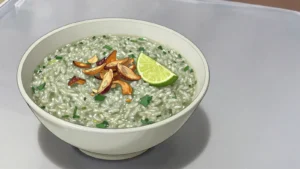 Bubur PedasToasted rice and coconut porridge with many herbs and vegetables, served at Ramadan
 Montreal smoked meatCured spiced brisket piled high on rye with mustard
 EzayRaw chilli pounded with cheese, tomato, garlic and Sichuan pepper as a table relish
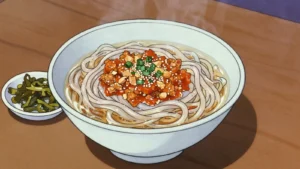 Shan NoodlesRice noodles with garlicky chicken-tomato sauce and pickled greens
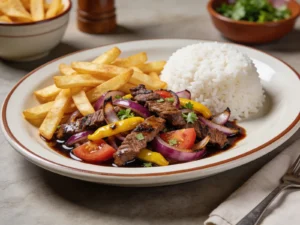 Lomo saltadoWok-seared beef, onions and tomatoes over fries and rice
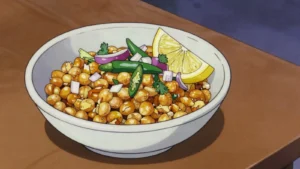 Bhatmas SadekoFried soybeans tossed with onion, chilli, lemon and mustard oil
 MachucaGarifuna mashed plantains with coconut fish soup
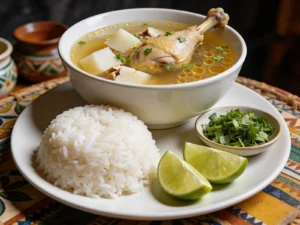 Sancocho de gallinaFree-range chicken soup with ñame and culantro; national dish
Coriander leaf is tagged on 722 dishes from 131 countries in the atlas. These notes are written from general knowledge and carry no per-fact citation — see About.