The ripe olive — picked after it has turned from green to purple-black, then cured in brine, salt or oil until its bitterness is gone and its flavour is deep, winey and soft.
Where it comes from
Every olive is green first and darkens as it ripens; a black olive is the same fruit picked later, when its oil content is highest and its flesh softest. Straight from the tree it is inedible — fiercely bitter with oleuropein — and every olive-eating culture has its way of curing that out: weeks in changes of brine, months in dry salt, or, in the oldest method, the fruit simply left on the tree until it shrivels and cures itself.
The Mediterranean’s great black olives are named for their places. Kalamata, from the Peloponnese, is the almond-shaped, purple-black, vinegar-cured olive that has become the standard everywhere; the small, wrinkled Thassos and the Moroccan and Turkish dry-cured olives are salt-cured and intensely concentrated; Nyons and Gaeta are gentler, brine-cured. The ‘black’ olives in a tin, uniformly dark and mild, are usually green olives darkened by oxidation during processing — a different thing.
Varieties
- Kalamata — Greece’s great table olive: large, almond-shaped, purple-black, cured in red wine vinegar and brine. Rich, fruity, slightly sharp.
- Thassos / throuba — Small, wrinkled, salt-cured Greek olives with an intense, almost dried-fruit flavour.
- Gaeta — Small purplish Italian olives from Lazio, brine-cured, mild and winey; often in pasta puttanesca.
- Nyons — The wrinkled black olive of Provence, cured in brine then oil. Soft, mild, faintly bitter; the olive of tapenade.
- Moroccan and Turkish dry-cured — Salt-cured until wrinkled and leathery, then oiled. Concentrated, salty, deep; a few go a long way.
- Californian ripe (canned) black — Green olives oxidised black during processing. Soft, mild, almost sweet, with little of a cured olive’s character.
In the kitchen
Black olives are for eating and for finishing: on a salad, in a tapenade, stirred into a tomato sauce or a braise in the last minutes, baked into bread. Long cooking softens them further and turns them slightly bitter, so add them late.
Buy them with the stone in where you can and stone them yourself by pressing with the flat of a knife; pitted olives lose flavour into the brine. Rinse very salty dry-cured olives briefly before using them in a dish that will be salted anyway.
Choosing and keeping
Olives sold loose from brine at a counter are almost always better than jarred; taste one. In the fridge, covered in their brine or in oil, they keep for months.
Wrinkled is right for a dry-cured olive and wrong for a brine-cured one, where it means the olive has dried out. Cloudy brine is normal; a fizzing or sour-smelling jar has fermented past the point of use.
Dishes with black olive
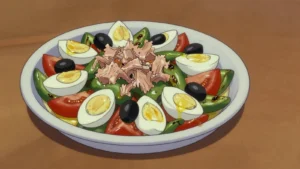 Slata mechouiasmoky grilled pepper and tomato salad with tuna, egg and olive oil
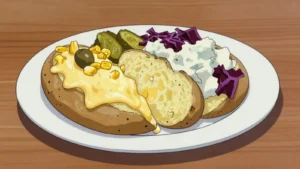 KumpirGiant baked potato mashed with butter and cheese, piled with many cold toppings.
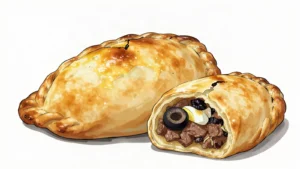 Empanada de pinoBaked turnover of beef pino with onion, olive, egg, raisin
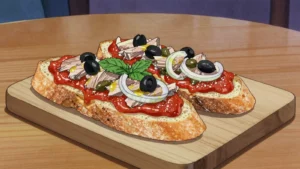 Ħobż biż-żejtcrusty bread rubbed with tomato paste, tuna, capers, oil
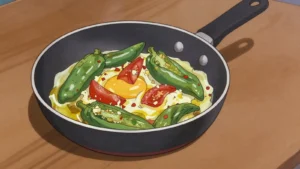 Tastirafried green peppers, tomato and garlic scrambled with egg
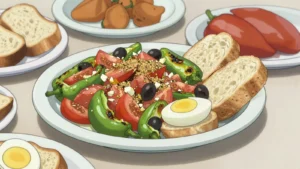 Hmissgrilled pepper, tomato and garlic salad cooled and dressed with olive oil
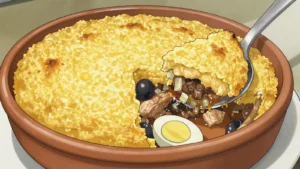 Pastel de chocloSweet corn crust baked over beef pino and chicken in clay dish
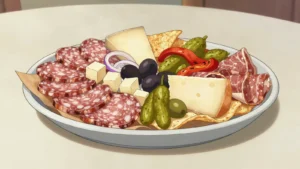 PicadaBoard of salami, cheese, olives and crisps shared before dinner
Black olive is tagged on 26 dishes from 14 countries in the atlas. These notes are written from general knowledge and carry no per-fact citation — see About.