
Ingredients
In the bottle
- Grüner Veltliner grapes, grown mainly in the Weinviertel, Wachau, Kamptal and Kremstal on loess and primary rock soils
- Cultured or wild yeast
- Stainless steel tanks or large neutral oak casks
- A small addition of sulphur dioxide
- No malolactic fermentation, so the natural acidity is preserved
- Alcohol by volume: 11–13.5%
To serve
- 1 bottleGrüner Veltliner
- tall white wine glasses, or the traditional green-stemmed Austrian Römer
- serving temperature 9–11 C
- a bucket of ice and water
Directions
- Understand the grape: Grüner Veltliner accounts for roughly a third of all Austrian vineyard area, and its natural home is the loess terraces of Lower Austria along the Danube, where warm Pannonian days meet cold northern nights.
- Fruit is picked between late September and early November, with harvest date deciding style: early picking gives light, peppery wine, late picking gives the concentrated Wachau Smaragd.
- Grapes are destemmed and gently pressed, usually as whole clusters in a pneumatic press, and the juice is settled cold overnight so solids drop out.
- Fermentation is cool and slow, at 16–18°C (60–65°F) in stainless steel, for one to three weeks. Cold fermentation is what protects the aromatics that give the wine its green apple, grapefruit and lentil character.
- Malolactic fermentation is deliberately blocked. The sharp malic acid is the wine’s backbone and converting it would make the wine flabby.
- The wine rests on its fine lees for four to eight months, sometimes with periodic stirring, which builds a creamy weight without any oak flavour. Only a small number of top producers use large old oak casks.
- It is fined with bentonite if needed, filtered, and bottled young, mostly under screwcap for the everyday tiers and under cork for the ageworthy ones.
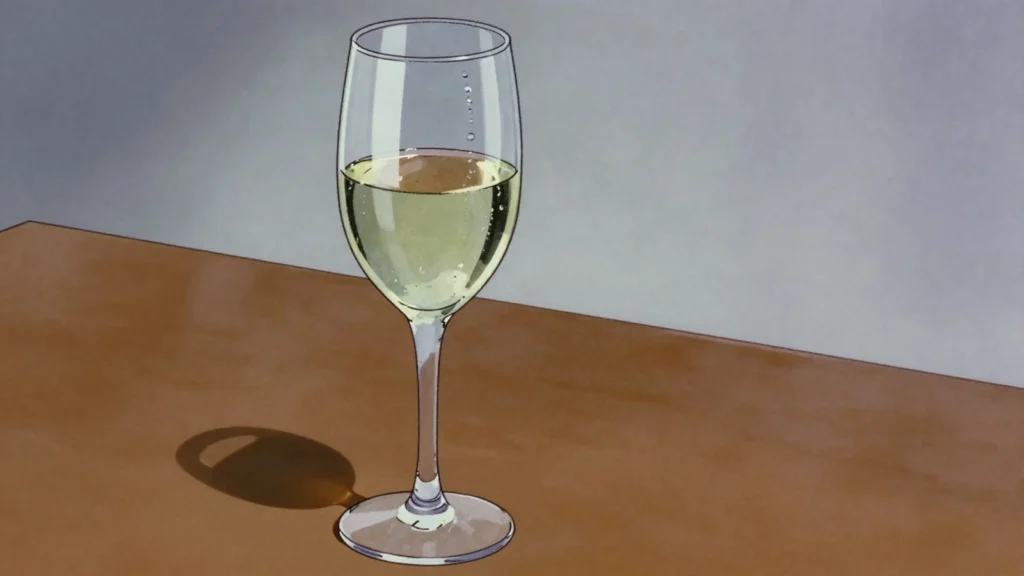
- To serve, chill to 9–11 C in ice water for 20 minutes and pour into a tall glass. Expect a pale green-gold colour, green apple, white pepper, celery and a wet-stone minerality, high acidity and a dry, saline finish. In Vienna it is drunk young by the quarter litre in Heuriger taverns, and it is the classic partner to green asparagus and to Styrian pumpkin seed oil salads.
Technique
- The white pepper note, called Pfefferl in Austria, comes from the compound rotundone, the same molecule that makes black peppercorns peppery. It is more pronounced in cool vintages and in wine from higher, stonier sites.
- The Wachau has its own ripeness classification: Steinfeder, the lightest at under 11.5%, Federspiel in the middle, and Smaragd, the ripest and richest, named after the emerald lizards that sun themselves on the terrace walls.
- The best examples age far longer than their reputation suggests, developing honey and toast notes at ten to fifteen years, which surprises people who treat it only as a fresh summer wine.
- This is a purchased wine, not a home project, and its production involves no distillation at all.
Substitutions
- If you cannot find it, a dry Austrian or Alsatian Riesling occupies similar ground, though with more stone fruit and less pepper.
- For the same everyday role at an Austrian table, a Weissburgunder (Pinot Blanc) is rounder and softer.
Variations
- Weinviertel DAC, the peppery, bone-dry benchmark from Austria’s largest wine region.
- Wachau Smaragd, ripe and powerful, with real weight and long ageing potential.
- Gemischter Satz, the Viennese field blend in which Grüner Veltliner is co-planted and co-fermented with other varieties.
History
Grown on more than a third of Austria’s vineyards; it beat leading white Burgundies at a blind tasting in London in 2002, reviving its reputation.
Frequently asked questions
What is Grüner Veltliner?
Grüner Veltliner is a wine & spirit from Austria: peppery dry white wine, Austria’s signature grape, drunk young. Grown on more than a third of Austria’s vineyards; it beat leading white Burgundies at a blind tasting in London in 2002, reviving its reputation.
How long does Grüner Veltliner take to make?
Grüner Veltliner takes 5 min of preparation and 4–8 months on lees of cooking. The recipe makes 1 bottle, 750 ml. It is rated easy to make.
What can I substitute in Grüner Veltliner?
Yes, within limits. If you cannot find it, a dry Austrian or Alsatian Riesling occupies similar ground, though with more stone fruit and less pepper. For the same everyday role at an Austrian table, a Weissburgunder (Pinot Blanc) is rounder and softer.