
Ingredients
The drink
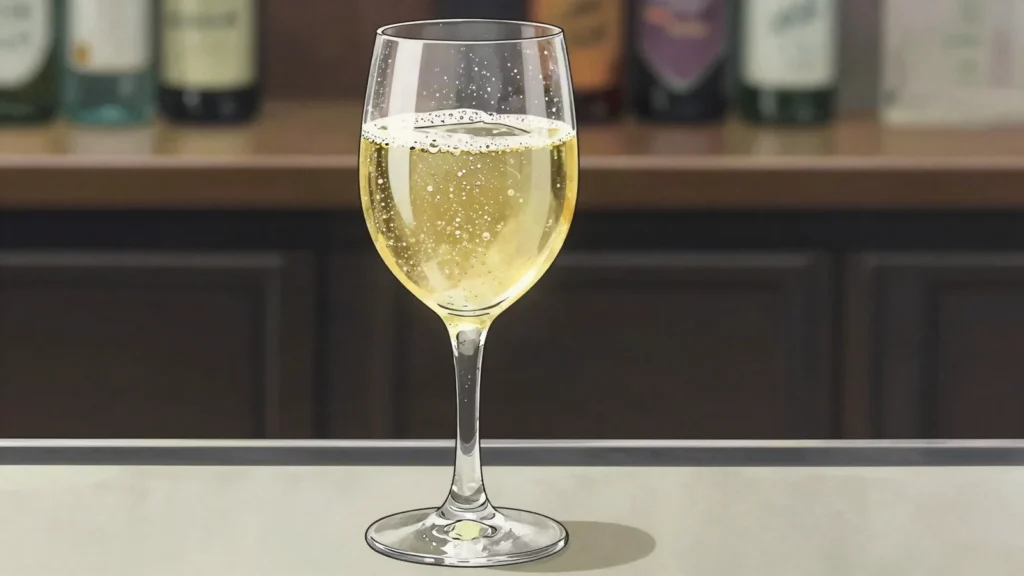
- 100 mldry white wine, ideally Graševina from Slavonia, or Kraljevina, Škrlet or a Malvazija from Istria
- 100 mlsparkling mineral water, well chilled (Jamnica is the standard)
Glass and extras
- 1large stemmed wine glass or a plain 0.2 litre tumbler
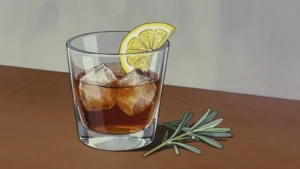
- 1lemon slice, optional and mildly frowned upon by purists
- Ice, only in high summer and only by request
Directions
- Chill the wine to 8–10°C and the mineral water as cold as you can get it without freezing; a gemišt is a drink of temperature as much as of proportion.
- Use a good, dry, high-acid white. Sweet or oaked wine makes a flabby gemišt, which is why the everyday Slavonian and Zagorje whites are the traditional choice.
- Take a large glass, big enough that the mixture fills it only halfway, so the bubbles have room.
- Pour the wine in first, up to the halfway mark of the intended volume.
- Top with the sparkling water, poured down the inside of the glass in one steady stream so you keep as much carbonation as possible.
- Do not stir. The pour mixes it, and a spoon knocks the gas out.
- Serve immediately, without ice in the traditional style; a cold-cellar wine and cold water make ice unnecessary and stop the drink watering down.
- Drink it slowly over an afternoon, with a plate of cured meats, cheese and bread. It is a session drink, made to be refilled rather than savoured.
Technique
- The 1:1 ratio is the standard in Zagreb and the north; the practical point of gemišt is a wine you can drink all afternoon at roughly half the alcohol.
- Regional names and ratios shift: gemišt in the north, špricer or the stronger ‘špric’ elsewhere, and a bevanda on the Dalmatian coast, which is red wine cut with still water.
- Croatians debate the water brand seriously; the mineral profile and the size of the bubble genuinely change the drink, and Jamnica is the reference point.
- A drink of the same idea made with sweet wine is not gemišt, it is a spritzer, and saying so in a Zagorje tavern will get you an argument.
Substitutions
- Any crisp, unoaked dry white works: Grüner Veltliner, Pinot Blanc or a dry Riesling are close in spirit.
- If you only have still mineral water, you have made a bevanda, which is the correct summer drink of the Dalmatian coast and not a failure.
Variations
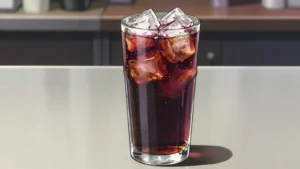
- Bambus swaps in red wine topped with cola; miš-maš mixes red wine with orange juice or Fanta.
- A ‘dugi’ (long) gemišt uses one third wine to two thirds water, drunk at lunch before going back to work.
History
Continental Croatia’s everyday drink, named from German gemischt; Zagorje and Slavonia argue over the correct ratio.
Frequently asked questions
What is Gemist?
Gemist is a cocktail from Croatia: dry white wine cut with sparkling mineral water, drunk all afternoon. Continental Croatia’s everyday drink, named from German gemischt; Zagorje and Slavonia argue over the correct ratio.
How long does Gemist take to make?
Gemist takes 2 min of preparation and None of cooking. The recipe makes 1 glass. It is rated easy to make.
What can I substitute in Gemist?
Yes, within limits. Any crisp, unoaked dry white works: Grüner Veltliner, Pinot Blanc or a dry Riesling are close in spirit. If you only have still mineral water, you have made a bevanda, which is the correct summer drink of the Dalmatian coast and not a failure.
What is the most important thing to get right in Gemist?
Use a good, dry, high-acid white. Sweet or oaked wine makes a flabby gemišt, which is why the everyday Slavonian and Zagorje whites are the traditional choice.