
Ingredients
Infusion
- 750 mlcaña paraguaya – sugarcane spirit, about 40% alcohol
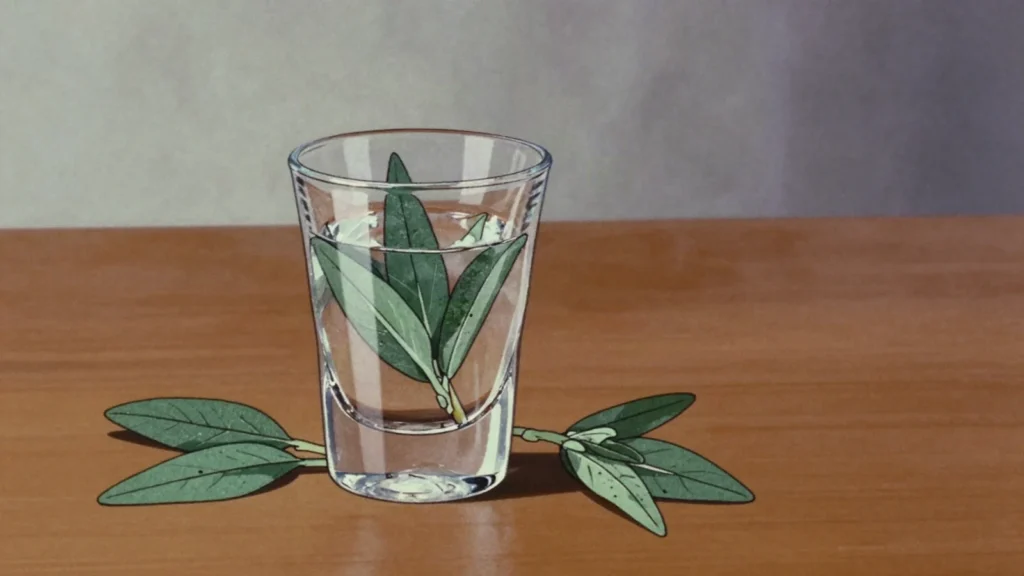
- 3–4fresh sprigs of rue (ruda macho, Ruta graveolens), washed and dried well
- 1 tbsphoney (optional – some households add it, purists do not)
To serve
- 30 mlof the infused caña, at room temperature
- a small shot glass
- nothing else – no ice, no mixer, no garnish
Directions
- Pick or buy fresh rue, choosing the stronger male rue (ruda macho) if you can find it.
- Rinse the sprigs and dry them completely on a cloth.
- Seal and leave in a cool dark cupboard for at least a week – traditionally the bottle is prepared in mid-July so it is ready for the first of August. The spirit will turn a pale greenish-yellow and take on a sharp, bitter, medicinal, herbaceous smell.
- Taste after a week: it should be bracingly bitter behind the cane sweetness.
- Strain out the rue once it has reached the bitterness you want, or leave a single sprig in the bottle for looks, as most households do. Tradition says it must be taken on an empty stomach, before any food, and in three swallows – or in one, depending on whom you ask.
Technique
- Rue is genuinely toxic in quantity. It is an abortifacient and can cause liver damage, severe photosensitivity and, in large doses, poisoning. This is a once-a-year ritual shot of a very dilute infusion, and it must never be treated as a drink to sip through the evening. It should be avoided entirely by anyone pregnant.
- The custom is Guarani-influenced and is shared with parts of Argentina, Uruguay and southern Brazil. It is drunk on the first of August, said to be the harshest month, to ward off illness, bad luck and the winter – some say it kills the worm, others that it fends off the pombero.
- Male rue (ruda macho) has narrower, more pungent leaves and is preferred; female rue is milder and considered less protective.
Substitutions
- No Paraguayan cana? Any unaged sugarcane spirit works – Brazilian cachaca is the obvious stand-in, and white rum will do at a pinch.
- Dried rue can be used if fresh is unavailable, at about 1 tsp per 750 ml, but the infusion is duller and takes longer.
Variations
- The Argentine and Uruguayan version, made with cana or grappa, drunk on the same date.
- A honeyed version, sweetened to make the bitterness bearable for children and older drinkers, who take a token sip.
- A version infused with rue plus a piece of guaco or other medicinal herb, made in rural Paraguay.
History
Guaraní-rooted custom holds that a glass on the first of August wards off illness for the month.
Frequently asked questions
What is Caña con ruda?
Caña con ruda is a cocktail from Paraguay: cane spirit steeped with rue, drunk in one shot on August first. Guaraní-rooted custom holds that a glass on the first of August wards off illness for the month.
How long does Caña con ruda take to make?
Caña con ruda takes 10 min of preparation and steep for at least 1 week, traditionally from mid-July of cooking. The recipe makes 1 shot (from a jar that makes about 20). It is rated easy to make.
What can I substitute in Caña con ruda?
Yes, within limits. No Paraguayan cana? Any unaged sugarcane spirit works – Brazilian cachaca is the obvious stand-in, and white rum will do at a pinch. Dried rue can be used if fresh is unavailable, at about 1 tsp per 750 ml, but the infusion is duller and takes longer.
What is the most important thing to get right in Caña con ruda?
Strain out the rue once it has reached the bitterness you want, or leave a single sprig in the bottle for looks, as most households do. Tradition says it must be taken on an empty stomach, before any food, and in three swallows – or in one, depending on whom you ask.