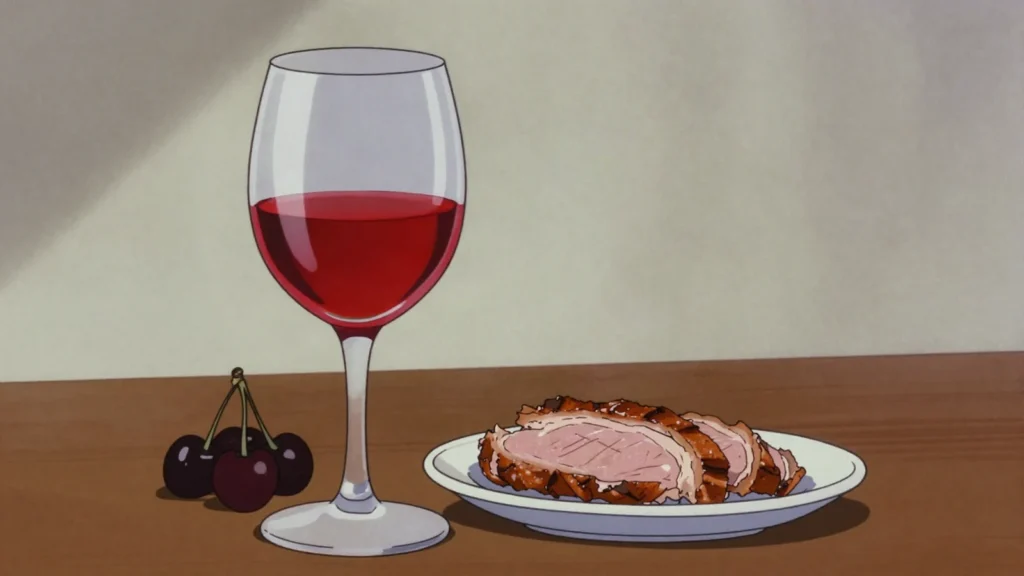

A perfumed, cherry-scented red from the world’s southernmost commercial vineyards. Modern plantings began around Bannockburn and Gibbston in the 1980s, in a schist basin where very hot days and very cold nights suit pinot noir.
Wine is grown, not cooked, and made in a licensed winery; there is no kitchen procedure behind it.
What goes into it
- Pinot Noir grapes
- yeast
- French oak
How it is made
The grapes are grown in a continental inland basin — unusual for New Zealand — where the day-to-night temperature swing preserves aroma and acidity while the fruit ripens fully. They are fermented on their skins, often with a proportion of whole bunches, then aged in French oak for a year or so.
How long it takes: one vintage a year, then a year in oak
How it is eaten
Lightly chilled with duck, lamb or salmon.
History
Modern plantings began around Bannockburn and Gibbston in the 1980s, where hot days and cold nights in a schist basin suit pinot noir.
Frequently asked questions
What is Central Otago Pinot Noir?
Central Otago Pinot Noir is a wine & spirit from New Zealand: perfumed cherry-scented red from the world’s southernmost commercial vineyards. Modern plantings began around Bannockburn and Gibbston in the 1980s, where hot days and cold nights in a schist basin suit pinot noir.
How is Central Otago Pinot Noir made?
The grapes are grown in a continental inland basin — unusual for New Zealand — where the day-to-night temperature swing preserves aroma and acidity while the fruit ripens fully. They are fermented on their skins, often with a proportion of whole bunches, then aged in French oak for a year or so. It takes one vintage a year, then a year in oak.
Can I make Central Otago Pinot Noir at home?
No, and the atlas gives no method for it. Wine is grown, not cooked, and made in a licensed winery; there is no kitchen procedure behind it.
What goes into Central Otago Pinot Noir?
Pinot Noir grapes, yeast, french oak.
How is Central Otago Pinot Noir eaten?
Lightly chilled with duck, lamb or salmon.