
A clear distilled spirit drunk in shots and Korea’s ubiquitous social drink. Distillation arrived with the thirteenth-century Mongol invasions; a 1965 ban on distilling rice pushed producers to diluted sweet-potato ethanol, which is what most green-bottle soju still is.
Distilling is illegal without a licence, and the mass-market style depends on industrial rectification that has no domestic equivalent.
What goes into it
- rice, sweet potato or tapioca
- nuruk or industrial yeast
- water
- sweeteners, in the modern diluted style
How it is made
Traditional soju is distilled from a nuruk-fermented grain mash in a pot still. The modern mass-market version is different: a highly rectified ethanol is made from sweet potato or tapioca, then diluted with water to around 16 to 20 percent and lightly sweetened. The 1965 rice ban is why, and the industry never fully went back.
How long it takes: days to ferment and rectify; no ageing
How it is eaten
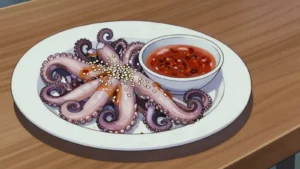
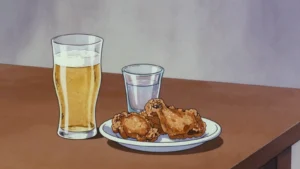
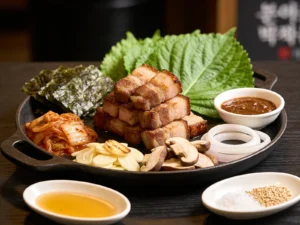
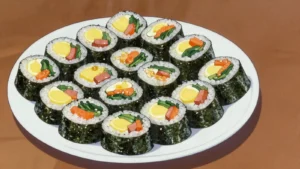
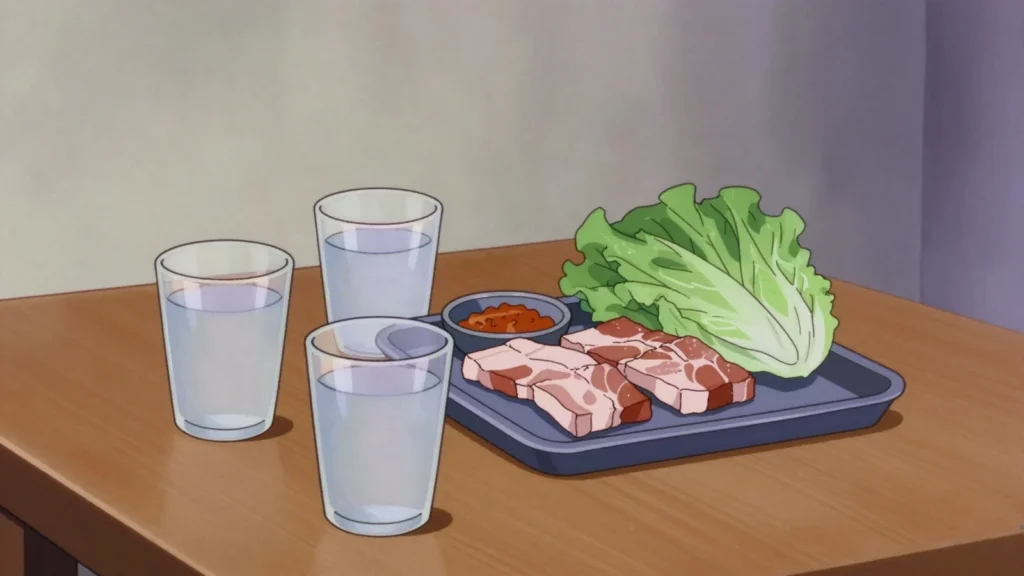
In small glasses, poured for others and never for oneself, with Korean barbecue and anju.
History
Distillation arrived with the thirteenth-century Mongol invasions; a 1965 ban on distilling rice pushed producers to diluted sweet-potato ethanol.
Frequently asked questions
What is Soju?
Soju is a wine & spirit from South Korea: clear distilled spirit drunk in shots, Korea’s ubiquitous social drink. Distillation arrived with the thirteenth-century Mongol invasions; a 1965 ban on distilling rice pushed producers to diluted sweet-potato ethanol.
How is Soju made?
Traditional soju is distilled from a nuruk-fermented grain mash in a pot still. The modern mass-market version is different: a highly rectified ethanol is made from sweet potato or tapioca, then diluted with water to around 16 to 20 percent and lightly sweetened. The 1965 rice ban is why, and the industry never fully went back. It takes days to ferment and rectify; no ageing.
Can I make Soju at home?
No, and the atlas gives no method for it. Distilling is illegal without a licence, and the mass-market style depends on industrial rectification that has no domestic equivalent.
What goes into Soju?
Rice, sweet potato or tapioca, nuruk or industrial yeast, water, sweeteners, in the modern diluted style.
How is Soju eaten?
In small glasses, poured for others and never for oneself, with Korean barbecue and anju.