
Ingredients
The dough
- 1 kgstrong white flour
- about 620 ml warm water
- 12 gdried yeast
- 15 gsalt
- 2 tablespoonssugar
- 3 tablespoonsoil
Sometimes added
- 1egg
- for a richer crumb
- 2 tablespoonsmilk powder
The oven
- a clay oven
- or an oil-drum oven
- or a hot domestic oven
- a baking stone helps
To serve
- split and filled
- with bean stew or omelette
- or with butter and tea
Directions
- Use oiled hands rather than flour. Warm the water gently in a jug. Stir the yeast and sugar into it. Let it stand for ten full minutes. It should foam right up visibly. Discard it and start again if not.
- Put the flour in a very large bowl. Add the salt to one side of it. Salt kills yeast on direct contact. Keep them apart until the water goes in. Add the yeast water and the oil. Bring it together into a dough. It should be soft and quite sticky.
- Knead it for about twelve minutes. Twelve minutes by hand is what it takes. Put the dough in an oiled bowl. Cover it and leave it somewhere warm. Give it about ninety full minutes.
- Divide it into four equal pieces. Weigh them if you want them even. Roll each one into a smooth ball. Let them all rest for ten minutes. Shape each ball into a long loaf. Flatten it into a rough rectangle. Roll it up tightly from one long edge. Seal the seam by pinching it shut. Roll it gently to lengthen it.
- Roll it up genuinely very tightly. Set the loaves on lined trays. Cover them and leave them to rise. Give them about forty-five minutes. Bake it well before that happens. Heat the oven as hot as it goes. Put a baking stone in to heat. Bread needs a genuinely hot oven.
- Preheat it fully and properly. Give it a good thirty minutes. Put a tray in the bottom to heat. Pour hot water into it as you load. Water on a hot tray bursts into steam. Stand back and close the door fast. Never lean out over the hot tray. Steam keeps the crust soft at first.
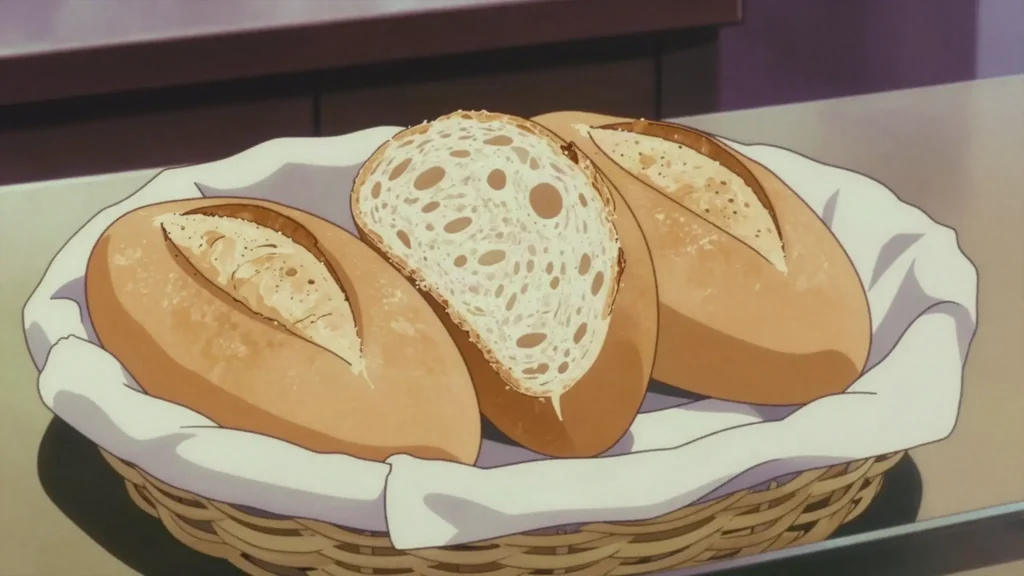
- Cut one slash along each loaf. Use a very sharp blade for it. Cut it about one centimetre deep. Bake them for about twenty-five minutes. They should be deep golden brown.
- Check them all at twenty minutes. Judging them takes a tap test. Lift them all out onto a wire rack. Let them cool right down completely. The crumb sets firm as it cools. Cut most of the way through only. Leave one edge joined as a hinge. Butter and tea is the simplest. It keeps a day at room temperature.
Technique
- Senfurr is light and open-crumbed where tapalapa is dense and close, and that difference comes entirely from the flour: wheat has the gluten to form an elastic network that traps the yeast gas, where the millet and maize in tapalapa have none at all.
- This is a fairly wet dough, which gives the open crumb but is stickier to handle — use oiled hands rather than adding flour, and it comes together as you knead. Twelve minutes of kneading develops the gluten that gives the light crumb; test it by stretching a piece thin without tearing.
- Judge the second rise by the poke test rather than a clock — the dent should spring back slowly, where one that stays means overproved. An overproved loaf collapses in the oven because the gluten has stretched too far to hold the gas.
Substitutions
- A hot domestic oven with a baking stone works in place of the clay or oil-drum oven, though the loaf differs slightly; oil drums laid on their side and bricked in over a fire are used across West Africa and hold heat remarkably well.
- An egg or a little milk powder in the dough gives a richer crumb.
Variations
- Roll each loaf up genuinely tightly and pinch the seam, which builds the surface tension that holds its shape as it proves — a slack loaf spreads flat. Rest the shaped balls ten minutes before forming, since shaping tightens the gluten and a short rest relaxes it.
- Slash each loaf about a centimetre deep with a very sharp blade, which controls where it splits — an unslashed loaf bursts unevenly. Steam from hot water poured into a preheated bottom tray keeps the crust soft so the loaf expands fully; stand well back and close the door fast.
- West African kitchens are genuinely warm and dough rises far faster there, sometimes in half the time — watch it rather than timing it. The crust softens as it cools, which is normal and suits a bread meant for sandwiches.
History
Baked in the same clay and drum ovens as tapalapa but from wheat flour, giving a softer crumb for sandwiches.
Frequently asked questions
What is Senfurr?
Senfurr is a bread & pastry from Gambia: light yeast-leavened loaf sold beside the denser tapalapa. Baked in the same clay and drum ovens as tapalapa but from wheat flour, giving a softer crumb for sandwiches.
How long does Senfurr take to make?
Senfurr takes 30 minutes plus rising of preparation and 25 minutes of cooking. The recipe makes 4 loaves. It is rated medium to make.
What can I substitute in Senfurr?
Yes, within limits. A hot domestic oven with a baking stone works in place of the clay or oil-drum oven, though the loaf differs slightly; oil drums laid on their side and bricked in over a fire are used across West Africa and hold heat remarkably well. An egg or a little milk powder in the dough gives a richer crumb.
What is the most important thing to get right in Senfurr?
Use oiled hands rather than flour. Warm the water gently in a jug. Stir the yeast and sugar into it. Let it stand for ten full minutes. It should foam right up visibly. Discard it and start again if not.